From wordinblack.com
By Jennifer Porter Gore
From changing your caffeine cut-off time to lowering your bedroom temperature, small tweaks can make a big difference in how well you rest
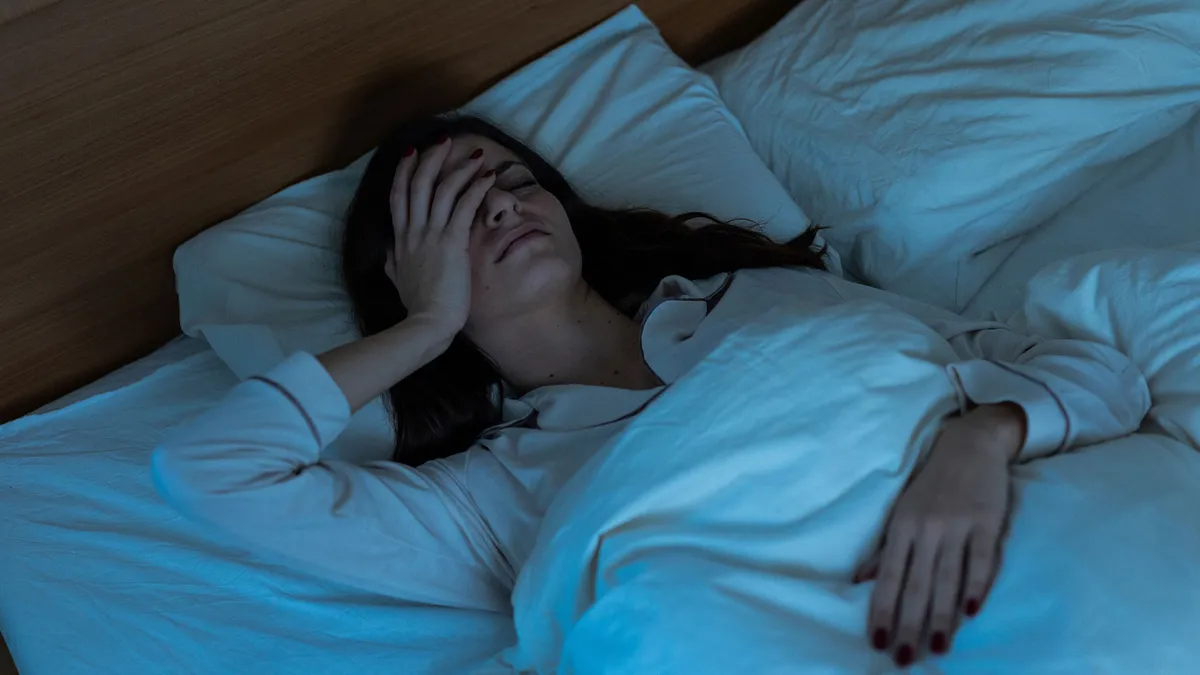
Daylight saving time starts in a few weeks, ushering in the longer nights and shorter days associated with winter. But for many people, the extra hours of darkness aren’t necessarily more restful.
Experts say sleep deprivation is on the rise in the U.S. And the combination of stress, shift work and the false bravado of “toughing it out” isn’t helping.
A 2024 Gallup poll found that only 42% of adults said they get as much sleep as they need, while 57% said they would feel better if they got more sleep. Researchers at Yale University have found a greater number of U.S. adults sleeping less than the recommended seven hours per night, with Black adults missing out on sleep even more.
Disparities were greatest among Black women, Black adults with middle or high incomes, and young and middle-aged Black adults. Work schedules and employment conditions, particularly shift work, were likely contributors.

“As an ER physician, I had to learn to value sleep differently,” says Dr. Pamela Buchanan, a board-certified emergency physician, founder of Strong Medicine and a healthcare influencer. “For years, working nights was simply part of the job. We almost wear sleep deprivation like a badge of honor in medicine.”
As she aged, “I began watching what chronic sleep disruption was doing to people around me — and to my own health,” Buchanan says. “I had colleagues and friends develop serious health problems while living on chronically inadequate sleep. Eventually, I had to ask myself: ‘Why am I sacrificing my health to take care of everyone else’s?’”
Sleep is also deeply connected to mental health. A 2024 meta-analysis involving more than 5,700 participants found that sleep loss increased anxiety symptoms and reduced positive emotions. Another analysis found that improving sleep also improved symptoms of depression, anxiety and stress.
“When I talk to people about protecting their mental health, sleep is not an afterthought. It is part of the treatment plan,” Dr. Buchanan added.
Improve Your Sleep, Starting Tonight
DISCLAIMER: This guide is informational and is not medical advice. If you have persistent trouble falling or staying asleep, talk with a healthcare provider.
1. Keep a consistent sleep–wake schedule
- Go to bed wake up within roughly the same 30- to 60-minute window every day, including weekends.
- Set a fixed wake-up time first; bedtime tends to follow
- Avoid trying to play catch-up on weekends, which only shifts your body clock.
- Give your stress a place to land before bedtime.
- Don’t lie in bed fighting for sleep.
“Stress isn’t the enemy of sleep. Unprocessed stress is,” Dr. Buchanan said., adding that it can be helpful to write d “Take five minutes before bed to write down what’s on your mind and tomorrow’s to-do list. When it’s on paper, your brain can stop rehearsing it at 2 a.m. Then dim the lights and put the phone away. You’re signaling to your nervous system that the shift is over.”
If sleep doesn’t come, however, and “you’ve been awake for about 20 minutes, get up,” Dr. Buchanan says. “Go to another room, keep the lights low and do something calm until you feel sleepy. Lying there frustrated teaches your brain that the bed is a place for worry. Protect the bed for sleep.”
2. Get bright daylight during the day
Light is the main signal that sets the circadian clock. A study of almost 90,000 adults found that greater daytime light exposure was associated with lower risk of depression, PTSD, psychosis, and self-harm.
- Spend time outdoors soon after waking. Even on cloudy days, outdoor light is far brighter than indoor lighting.
- Take walks, calls or breaks outside during the day.
- Work near a window when possible.
FOR NIGHT-SHIFT WORKERS
- Recreate nighttime, even at noon.
- Treat daytime sleep as optional.
“Wear sunglasses on the drive home so morning light doesn’t flip your internal ‘wake up’ switch,” Dr. Buchanan advised. “Then make your bedroom a cave: Blackout curtains, an eye mask, a cool room and a fan or white noise to drown out the daytime world. Put your phone on ‘Do Not Disturb’ and let your household know that your sleep hours are protected time.”
3. Sleep in a dark bedroom
A controlled laboratory study found sleeping in a room with too much light kept the nervous system more alert and reduced the participants’ deep sleep. The results also found links to increased insulin resistance the next morning compared with sleeping in dim light.
- Turn off overhead lights and lamps before sleep; use blackout curtains or an eye mask if outdoor light enters.
- Cover or remove glowing electronics and clocks.
- If you need a night light, keep it dim, low to the floor and use amber or red light rather than white or blue.
4. Set a caffeine cut-off time
Caffeine has been found to increase the time it takes to fall asleep and, once asleep, to decrease total sleep time by about 45 minutes.
- For a 10:30 p.m. bedtime, finish your last 8-oz. coffee by about 1:30 to 2 p.m.
- Remember hidden sources of caffeine: Energy drinks, pre-workout powders, some teas, sodas and chocolate.
- Caffeinated beverages larger than 8-10-oz. need an even earlier cut-off.
5. Limit alcohol, especially close to bedtime
Avoid the temptation to have a “nightcap” before bed. Just two standard-sized drinks, which vary by type of alcohol, have been found to reduce REM sleep. While a greater amount of alcohol may shorten the time needed to fall asleep, it can interrupt deep sleep.
- Treat alcohol as a sleep disruptor, not a sleep aid.
- If you drink, keep it to small amounts and finish well before bedtime.
- Notice how you feel after alcohol-free nights versus nights with a drink.
- Don’t use a glass of wine to wind down.
“Alcohol may help you fall asleep, but it fragments your sleep later in the night,” Dr. Buchanan said. “You wake up feeling like you never really rested.”
6. Exercise regularly — and finish vigorous workouts at least two hours before bed
Exercising intensely less than two hours before bedtime has been linked to trouble falling asleep and shorter periods of sleep. Exercising for 30- to 60 minutes, and more than two hours before bedtime, was associated with the best outcomes.
- Build regular physical activity into most days; morning, afternoon and early evening all work.
- Schedule hard workouts (running, HIIT, heavy lifting) to end at least two hours before bed.
- Keep your exercise schedule consistent from day to day.
7. Create a screen-free wind-down before bed
Using electronic media too close to bedtime has been consistently linked to poorer sleep quality.
- Stop scrolling, gaming and emailing 30- to 60 minutes before lights out.
- Charge your phone outside the bedroom or set it to “Do Not Disturb.”
- Replace screens with a calming routine such as reading a paper book, stretching, a warm shower or journaling.
FOR WOMEN IN MENOPAUSE:
- Cool the room and your body.
“Hot flashes and night sweats are among the biggest sleep thieves in midlife. Keep the bedroom cool, around 65 degrees. Layer your bedding so you can adjust it during the night and choose moisture-wicking sleepwear. Cut back on alcohol and late-day caffeine, because both can trigger symptoms,” Dr. Buchanan adds.
- Don’t suffer in silence.
“Poor sleep [during] menopause is common, but you don’t have to accept it as normal. Talk to your doctor. Hormone therapy, non-hormonal medications and cognitive behavioural therapy for insomnia, called a CBT-I, all help. Ask about sleep apnoea, too. A woman’s risk rises after menopause, and it often goes undiagnosed because the symptoms don’t look like the textbook,” Buchanan notes.
https://wordinblack.com/2026/10/tired-of-being-tired-7-science-backed-ways-to-sleep-better/