Showing posts with label research. Show all posts

Sunday, 19 July 2026

A new study suggests melatonin could help with more than insomnia

From independent.co.uk

Sleep and pain are closely linked (poor sleep can make pain feel worse, and pain can make sleep harder) 

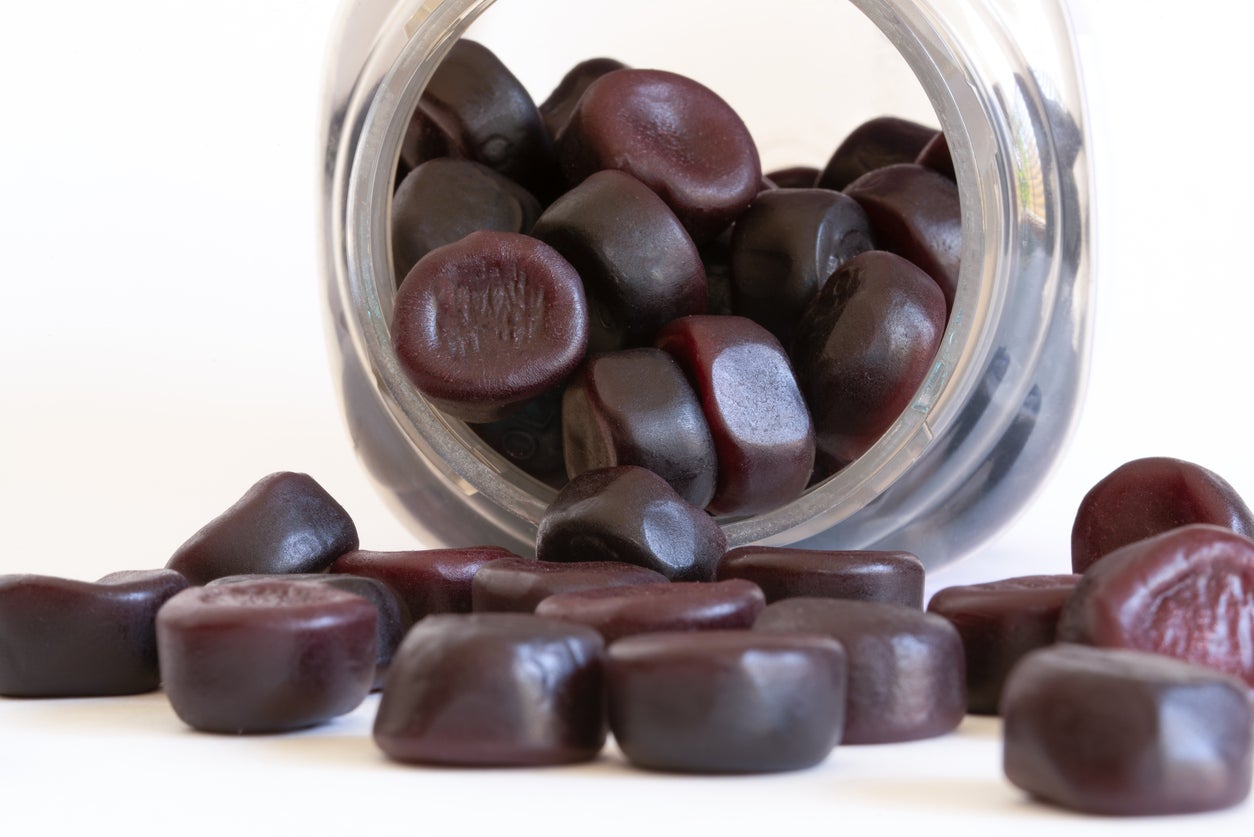
Melatonin is best known for helping us sleep. But a new study suggests it might have another surprising use: easing muscle and joint pain.

Produced naturally by the pineal gland in the brain at night, melatonin helps regulate the body’s sleep-wake cycle. That’s why this hormone is widely used as a treatment for insomnia and jet lag.

Produced naturally by the pineal gland in the brain at night, melatonin helps regulate the body’s sleep-wake cycleProduced naturally by the pineal gland in the brain at night, melatonin helps regulate the body’s sleep-wake cycle  (Getty Images)

Sleep and pain are closely linked (poor sleep can make pain feel worse, and pain can make sleep harder). But melatonin may also reduce pain directly. Researchers believe it dampens pain signals in the brain and spinal cord, reduces inflammation, calms overactive nerves and protects cells from oxidative stress – the cellular wear and tear caused when harmful molecules build up.

In the new study, researchers combined the results of 23 clinical trials involving over 2,000 participants to identify overall patterns. These trials looked at melatonin for long-term muscle and joint pain as well as pain after surgery.

Overall, melatonin reduced both pain and sleep problems in people with chronic muscle and joint pain. But the improvements were modest. On average, pain scores fell by about nine points on a 100-point scale. That’s within the range reported for some anti-inflammatory drugs in similar studies, although the two treatments haven’t been directly compared.

Melatonin’s effects may also depend on whether people already have sleep problems or other long-term health conditions. Most of the chronic pain studies included people who already had poor sleep to begin with, but none of the trials looked at results separately for people with and without sleep issues. Because of this, it’s unclear whether melatonin works better for people who struggle with sleep or whether the effects are similar for everyone.

The findings were much less convincing for pain after surgery. Melatonin did not make a noticeable difference to pain or sleep. One analysis found a tiny improvement (about 2.5 points on a 100-point pain scale), but this is far below what would matter to patients recovering from surgery.

The benefits in chronic muscle and joint pain are modest. Based on the current evidence, melatonin should be seen as a possible add-on treatment rather than a replacement for established therapies. The evidence suggests melatonin could complement treatments such as physiotherapy, exercise and anti-inflammatory medicines rather than replace them.

What we still don’t know

There is also still a lot we don’t know. The trials in this study used a wide range of doses, from 1mg to 10mg, and the researchers couldn’t determine which dose worked best.

There were hints that longer treatment helped more in chronic pain, but this was based on only a few studies. There is also very little evidence on the effectiveness of higher doses, even though they appear safe in other studies.

Melatonin is widely used and generally considered safe for short-term use, but it can cause side-effects, such as daytime sleepiness, dizziness, headaches and nausea.

It is also worth noting that melatonin is regulated very differently around the world. In the US, melatonin is sold as a dietary supplement, meaning people can buy it easily in supermarkets and online without medical advice. But in the UK, melatonin is a prescription-only medicine and is only licensed for short-term sleep problems and jet lag.

For now, the findings suggest melatonin may offer modest relief for some people with chronic muscle and joint pain, particularly if poor sleep is part of the problem. It’s unlikely to replace established treatments, but it could eventually earn a place alongside them. Larger, well-designed trials will be needed before doctors can say with confidence who is most likely to benefit.

https://www.independent.co.uk/life-style/health-and-families/melatonin-benefits-sleep-pain-relief-b3016291.html

Friday, 10 July 2026

The surprising effect sleep deprivation can have on the body in just six weeks

From independent.co.uk

Sleep deprivation has been linked to changes in appetite and weight gain, but researchers say this could happen in just six weeks 

Getting just an hour and a half less sleep a night for a few weeks could cause weight gain, a study has suggested.

Most adults need between seven and nine hours of sleep a night to stay healthy, but one in five adults in the UK aren’t getting enough sleep, and about a quarter are living with obesity.

Sleep deprivation has long been linked to changes in appetite, causing overeating and weight gain as a result, but a new study has suggested this can happen surprisingly quickly.

A study by researchers at Columbia University found getting insufficient sleep, even for just six weeks, is enough to make someone put on weight.

Marie-Pierre St-Onge, professor of nutritional medicine in the university’s department of medicine, said: “Getting adequate sleep may help reduce the risk of weight gain and obesity-related conditions like heart disease and diabetes.”

One in five adults in the UK aren’t getting enough sleep and it could be impacting their weight
One in five adults in the UK aren’t getting enough sleep and it could be impacting their weight (Getty/iStock)

For the study, published in the journal Annals of Internal Medicine, 95 adults who usually get the recommended seven to eight hours of sleep a night were instructed to delay their sleep by 90 minutes for six weeks. They then slept at their usual time for another six weeks.

Their sleep and activity levels were measured throughout each phase with a wrist monitor, along with changes in body weight, waist circumference, body composition, and fasting levels of several hormones known to increase or suppress appetite.

Researchers found participants gained an average of 1lb over the six weeks with less sleep. They also spent about 20 more minutes sedentary than usual.

"While the one-pound weight gain observed with modest sleep curtailment is not overwhelming, it is important to remember this is occurring over just six weeks."

Faris Zuraikat, assistant professor of nutritional medicine in Columbia University’s department of medicine, said: “Our study was designed to mimic sleep patterns that most adults experience chronically. When extrapolated to a full year, we would expect that losing less than an hour and a half of sleep per night could result in clinically meaningful weight gain.”

According to scientists, not getting enough sleep is associated with higher levels of the hormone ghrelin, which increases appetite. This, in addition to feeling more tired and so less likely to exercise, can contribute to weight gain.

Naveed Sattar, professor of metabolic medicine at the University of Glasgow, who was not involved in the study, said: “Sleep is a critical part of a healthy lifestyle. When we do not get enough sleep, the hormones that regulate appetite become disrupted, making us feel hungrier and increasing the likelihood of overeating. Tiredness can also reduce physical activity, meaning we burn fewer calories during the day. In addition, being awake for longer simply provides more opportunities to eat.”

Alex Miras, professor of medicine at Ulster University, also explained a lack of sleep can impact the pancreas – but so can getting too much sleep.

He told The Independent: “A lack of sleep increases the levels of inflammation and insulin resistance around the body. The pancreas has to then work harder to bring the blood sugars down by increasing the amount of insulin it produces. This can also cause either weight gain or worse metabolic health. On the other extreme, too much sleep is also associated with worse metabolism.”

https://www.independent.co.uk/news/health/sleep-deprivation-body-weight-gain-study-b3009632.html

Friday, 19 June 2026

Women report poor sleep despite a good night's rest, while men overestimate their own sleep quality

From medicalxpress.com

edited by Gaby Clark, reviewed by Andrew Zinin 

Disturbed sleep is a common problem—and one that has many serious consequences beyond feeling tired the next day. Research has linked insomnia and poor sleep to early mortality and diseases including diabetes and cardiovascular disease.

Women often report experiencing disturbed sleep more frequently than men. They also constitute the majority of patients in sleep clinics. Yet, strangely, some studies show worse objective sleep quality in men—a bit of a paradox.

To understand what might explain the paradox, my colleagues and I conducted a study that directly compared sleep quality ratings and objective sleep measures between men and women.

We found that women complained more of sleep problems—but slept objectively much better than men. We think this paradox can probably be explained by men overestimating their sleep quality because they are less able to perceive how often they wake up at night.

A total of 238 randomly selected women participated in the study, plus 238 men who were matched on age and BMI with the women to ensure similar participants were compared with each other.

Sleep was recorded in each participant's home using a recorder that measured brain waves (electroencephalography—EEG), muscle tension (electromyography—EMG) and eye movements (electrooculography—EOG). These devices tracked what stage of sleep a participant was in and for how long, how much time they spent awake and how quickly they fell asleep.

A researcher visited the participant's home in the evening, mounted the recording equipment and left. The participant went to bed and awoke at their usual time.

In the morning, the participant rated the degree of difficulty they had falling asleep, whether their sleep was restless, whether they woke up early, how often they thought they had woken up, how long it took them to fall asleep, how long they slept and their overall sleep quality.

The sleep recording was scored by a sleep technician based on visual inspection of the EEG, EOG and EMG recordings. The data was then analysed to understand the objective quality of each participant's sleep and its relation to gender and age.

Analyses were also adjusted for factors such as gender, age, alcohol consumption and smoking, which may affect sleep.

                                                                                                            Credit: CC0 Public Domain

Sleep quality

The results show that women subjectively reported significantly lower sleep quality than men. Yet women actually had considerably fewer night-time awakenings, less stage one (superficial) sleep and higher sleep efficiency (they spent more time asleep while in bed). Women also experienced more stage three (deep) sleep and slept longer (400 minutes versus 382 minutes for men).

The results suggest that women objectively had a good night's sleep, compared with men. The only variable that suggests worse sleep in women was that when they did wake up at night, they spent more time awake than men did—around nine minutes each time for women versus just under seven minutes each time for men.

It only takes around five minutes of being awake at night for a person to remember it the next morning. This may explain why women were better able to remember whether they had woken up the night before and estimate how many times they had. Men, on the other hand, grossly underestimated their number of awakenings (by 72% compared with women's 37%).

For other quantitative measures, like time to fall asleep, sleep duration and time awake, men and women were equally good at estimating their objective values. And they were relatively correct.

We took this further and found that men who woke up only for a short period during the night (around eight minutes or so each time they woke up) often didn't remember they had.

When this group of men was removed, no gender difference in subjective sleep quality remained. This suggests that men with short night-time awakenings report better sleep quality than would be expected from their objective sleep measures because they didn't remember they had woken up.

It's also noteworthy that men's objective sleep deteriorated faster with age than women's. This was particularly obvious for stage three sleep. While women older than 65 got around 80 minutes of stage three sleep each night, men had only 53 minutes. Among those between 30 and 50 years of age, the amount was similar for men and women (around 70 minutes).

Sleep and well-being

A key reason women may complain of having a worse night's sleep than they objectively had may therefore be the amount of time they spent awake when they woke up, making it easier for them to notice. Likewise, men may overestimate their sleep quality because they spend less time awake when they wake up, so they don't remember it happening.

Both findings would work toward reducing subjective sleep quality in women and increasing it in men. We assume, then, that the experience of awakenings has an important influence on subjective sleep quality.

As our study was conducted over only one night, it will be important for future research to investigate whether these findings remain when participants are studied over longer periods.

Future studies may also want to explore the reasons for poor sleep in men—especially since common sources of disturbed sleep, such as alcohol, smoking and BMI, were all adjusted for in our analysis. Researchers may also want to investigate why men's sleep becomes objectively worse as they get older.

Our research illustrates how sleep quality doesn't just involve the physiological aspects of sleep. It also includes our own subjective experiences, which can affect our well-being and how rested we feel.

It also suggests that because many men overestimate their sleep quality, they may overlook any sleep problems they are experiencing. This could mean that some men aren't getting help for conditions that could be affecting their health and well-being.

https://medicalxpress.com/news/2026-06-women-poor-good-night-rest.html

Wednesday, 10 June 2026

New digital platform treats insomnia and anxiety in seniors

From news-medical.net

Cognitive behavioural therapies for insomnia (CBT-I) are increasingly being delivered online in order to improve accessibility. However, although insomnia and anxiety frequently occur together in older adults, few interventions address both conditions simultaneously. A new digital platform developed by researchers at the Centre de recherche de l'Institut universitaire de gériatrie de Montréal (CRIUGM), in collaboration with Concordia University, Université Laval and the Université de Montréal, aims to fill that gap.

The results of a clinical trial, published in the journal Age and Ageing, highlight the feasibility and effectiveness of the program, with promising applications for improving mental health and sleep among older adults.

An accessible program designed for seniors

The research team conducted a randomized controlled trial involving 80 adults aged 65 and older who were experiencing insomnia. The eCBT+ program consists of a seven-week intervention featuring one 30-minute interactive video module per week.

Insomnia and anxiety are very common among older adults. Although cognitive behavioural therapy (CBT) is the first-line treatment for insomnia, access remains very limited because of the availability of trained professionals and the high cost of treatment."

Dr. Thien Thanh Dang-Vu, neurologist, laboratory director at CRIUGM and professor in Concordia University's Department of Health, Kinesiology and Applied Physiology

Accessible on computer, tablet or smartphone, this platform is the first of its kind available in French. It was specifically designed for older users, with adjustable features such as text size and contrast settings, as well as scenarios that reflect their everyday experiences.

Significant clinical results

The research team conducted a randomized controlled trial with 80 adults over the age of 65 suffering from insomnia. The study aimed to assess the usability, acceptability and preliminary efficacy of the eTCC+ program compared to a waitlist control group. 

In terms of usability, participants rated the platform as user-friendly and intuitive, achieving a usability score of nearly 70 per cent. Acceptance of the platform was driven primarily by its ease of use and the perceived usefulness of the program.

"From a clinical perspective, the intervention proved highly effective. Participants who completed the eCBT+ program experienced significant improvements in sleep efficiency and reductions in symptoms of both insomnia and anxiety compared with the control group," says Mathilde Reyt, the study's first author and a postdoctoral researcher at CRIUGM and Concordia University.

"Our findings show that web-based tools offer a promising and clinically relevant approach to promoting sleep and mental health among older adults. This combined digital CBT program represents an important step toward making these treatments more accessible to everyone," concludes Dr. Dang-Vu.

The research team plans to expand its sample size to confirm the program's long-term effects, with particular attention to potential benefits for cognitive function and daytime quality of life among older adults.

https://www.news-medical.net/news/20260609/New-digital-platform-treats-insomnia-and-anxiety-in-seniors.aspx

Tuesday, 9 June 2026

New Study: This Surprising Mental Trait Could Be the Key to Beating Insomnia

From inc.com

Constantly tired? A simple factor may be contributing to your inability to find high-quality sleep. Here’s what to know 

Could feeling wiser than your years be worsening your days? Possibly. 

A new study published in Sleep found a link between subjective age (the age you feel) and how well you sleep. People with a higher subjective age reported more symptoms of insomnia and feeling more tired throughout the day. The results will be presented at the Sleep 2026 annual meeting in mid-June. 

The study was conducted by the VA Boston Healthcare System, Virginia Commonwealth University, and the National Sleep Foundation. 

The scientists ultimately found that age discrepancy can act as a predictor in overall health and longevity. In the study, age discrepancy is defined as the mismatch between a person’s subjective age, how old a person feels, and their actual, chronological age. Positive values indicated feeling older while negative values indicated feeling younger. The researchers noted that adults who felt older had more symptoms of insomnia, more sleep-related impairments, and lower overall sleep health and regularity.

“These findings suggest how people perceive their own aging may have important implications for sleep and overall well-being,” said Joseph M. Dzierzewski, the principal investigator of the study. “Understanding subjective age could help inform future approaches to support healthier sleep and quality of life across the lifespan.”

To come to this conclusion, the researchers collected survey responses from 3,177 adults with a mean age of 42.8. Participants were asked questions to assess their subjective age, insomnia, overall sleep health, and sleep-related impairment. The subjects were evaluated on their mental health and asked to self-report any physical health symptoms that may affect their sleep.

The scientists used correlational and regression analyses to look at the associations between age discrepancy and sleep. A parallel mediation, a test to see if any predictors affected the outcome through two or more variables simultaneously, was then used to explore the indirect effects sleep had on physical health. 

The scientists found that those who reported feeling older than their actual age had statistically significant poorer sleep and sleep-related impairments. Additionally, they found that those who had higher age discrepancies also had higher rates of insomnia and worse subjective physical health. 

                                                                                                                                                                     Photo: Getty Images

Key takeaways from the research

Dzierzewski told Inc. that this doesn’t have to start in a doctor’s office; it can begin with a simple internal check. “The question is almost like, how are you feeling? Do you feel older? Do you feel younger? Do you feel right on?”

The good news, he said, is that nothing about this picture is fixed. “Your subjective age is certainly changeable, your sleep is changeable. Staying physically active, eating a good healthy diet, and challenging some of those negative beliefs we have about aging.”

He added that consistently feeling older than your age is “not a warning sign, but something you should pay attention to. It’s a sign that your sleep or your health maybe needs more support than you’re giving it.”

And while the study focused on sleep, Dzierzewski thinks the implications can stretch to other areas of your life. Embracing aging more realistically, not chasing youth, and aligning expectations with where you actually are could, he said, bring everything a little more into balance: “All of these things are changeable.”

https://www.inc.com/lucia-auerbach/new-study-this-surprising-mental-trait-could-be-the-key-to-beating-insomnia/91354563

Monday, 8 June 2026

Research Shows Sleeping 6.4 to 7.8 Hours a Night May Help Slow Aging

From verywellhealth.com

By Mira Miller

Key Takeaways

  • Sleeping between 6.4 to 7.8 hours a night is linked to the slowest biological aging across multiple organ systems.
  • Too little sleep (less than 6 hours) and too much sleep (more than 8 hours) can accelerate biological aging through different pathways.

Getting enough sleep is an essential part of staying healthy throughout the lifespan. New research suggests that the ideal amount is between 6.4 to 7.8 hours, while getting either more or less than is associated with increased biological aging.

                                                 Sleeping too much or too little may speed up aging.   Peera_Sathawirawong / Getty Images

What the Research Shows

Researchers conducted the study, published in Nature, by analysing self-reported sleep data from half a million participants in the UK Biobank and comparing it with data about their biological age. Biological age refers to how slow or fast their organs are aging compared to their actual chronological age.

The researchers found that sleeping between 6.4 to 7.8 hours was associated with the slowest biological aging across multiple organ systems, including the brain, liver, lungs, immune system, skin, adipose tissue, and pancreas.

"This study suggests that sleeping too little or too much can accelerate biological aging," said Karen Lincoln, PhD, a professor of environmental and occupational health at UC Irvine Joe C. Wen School of Population & Public Health. "It also confirms that sleep is foundational to healthy aging."

Specifically, researchers identified a consistent U-shaped relationship between sleep duration and biological aging, meaning biological aging is lowest in the middle range and increases at both extremes of sleep duration.

Too little sleep is defined as fewer than 6 hours, while too much is defined as more than 8.

Why Does Sleeping Too Much or Too Little Matter?

Shorter and longer sleep duration have distinct biological pathways, Lincoln explained. She said short sleep is a direct driver of accelerated biological aging as it's associated with heightened physiological stress, systemic inflammation, immune dysregulation, and metabolic disruption which can affect cardiovascular, metabolic, musculoskeletal, and neuropsychiatric systems. 

Long sleep, on the other hand, appears to be more concentrated in brain-related and neuropsychiatric outcomes, like depression or cognitive issues, she said. It might be a marker of underlying disease that the body is already managing, or an adaptive response to stress, rather than a direct driver of accelerated aging.

"The findings reinforce that sleep duration isn’t just a lifestyle choice, it is a biological signal," said Joseph Dzierzewski, PhD, a sleep scientist who directs the scientific mission of the National Sleep Foundation. "Deviating too far in either direction can reflect or contribute to accelerated aging across the body."

Where the Study Falls Short

The study does have an important limitation worth noting, Lincoln said: it relies on a single, self-reported measure of sleep by asking participants how many hours they sleep per day, on average.

But Lincoln said sleep is multidimensional and there are a wide range of measures to determine one’s sleep health. For example, sleep regularity measures whether you’re going to bed and waking up at the same time every day, sleep latency measures how long it takes you to fall asleep after you go to bed, and sleep disruptions include whether you have difficulty falling back to sleep after waking up at night.

Sleep disorders like sleep apnoea also impact many adults and are disproportionately underdiagnosed and untreated in many Black Americans, she added.

"While the number of hours you sleep is important, it doesn’t capture sleep quality and represents only one slice of a much richer picture of sleep health," she said.

What It Means For You

Despite the limitations, Dzierzewski said the results provide a biological stamp of approval for the National Sleep Foundation’s widely cited sleep duration recommendations, which state that most adults need 7 to 9 hours of sleep per night and most older adults need 7 to 8 hours of sleep per night.

"The NSF ranges remain the right target for overall health and well‑being," he said. "If your goal is specifically to support healthy biological aging, this study suggests that consistently sleeping in the 7–8 hour zone may be especially protective."

While this may be true for most people, everyone is different, so Lincoln said it's most important to gauge how you feel when you wake up.

If you feel rested, restored, and energised, she said you are likely getting enough sleep, regardless of whether the clock says 6.5 or 7.5 hours. But if you consistently wake up tired, foggy, and have low energy, that is a signal worth paying attention to, even if your sleep duration is within that recommended range.

"Sleep is essential for healthy aging: your brain clears metabolic waste, your immune system recalibrates, and your organ systems repair during sleep," she said. "Good sleep quality is important for your health no matter how you measure it."

https://www.verywellhealth.com/sleeping-hours-and-aging-11978844 

Tuesday, 5 May 2026

Know­ing if you’re a lark or a night owl will help you sleep bet­ter

From pressreader.com/ireland

If you’re not among the 1pc who can get by on five hours’ shuteye, here is how to get a bet­ter night’s rest

We all need sleep. It’s essen­tial for our health and well-being. But it turns out we are all dif­fer­ent when it comes to how much shuteye we need. Some get away with six hours a night, oth­ers need nine or 10. Sci­ence has recently turned atten­tion to those who need a lot less sleep than aver­age, mean­ing five hours or less. They are called short sleep­ers.

Most people who don’t get enough sleep, for example because of insom­nia or shift work, can suf­fer all kinds of ill effects. The day after a bad night’s sleep can be a struggle. Your immune sys­tem doesn’t work as well and so you might catch a bug. You may find your­self unable to think straight. Those with chronic insom­nia have a higher incid­ence of depres­sion and heart dis­ease. But sci­ent­ists have noticed that some people, about 1pc of us, get away with five hours or less sleep at night with no ill effects. How can this be?

One fam­ily, the Osmonds from Pennsylvania, have been stud­ied in detail. Joanne Osmond stays up late read­ing. Her sis­ters often spend hours in bed solv­ing cross­word puzzles. Her engin­eer father fixed tele­vi­sion sets late into the night and early in the morn­ing. Only her mother got a reg­u­lar night’s sleep.

Joanne said: “Grow­ing up, we didn’t real­ise that there was any­thing dif­fer­ent about us.”

Then in 2011, she dis­covered she had a vari­ant of a gene linked to short sleep that con­trols a brain chem­ical called glutam­ate. Her sis­ters were tested in 2019 and had the same vari­ant. Joanne is now 27 and only needs four hours’ sleep a night. She has cal­cu­lated that she has spent 13 years longer awake than the aver­age per­son given that she is awake three to five hours longer a day than most.

She feels she has made great use of all that extra time. She got a degree in engin­eer­ing, had five chil­dren, worked in jobs in tech­no­logy and, hav­ing stud­ied edu­ca­tion policy into the wee small hours of many nights, became pres­id­ent of the Illinois Asso­ci­ation of School Boards. “The world seems to need eight hours, and I don’t,” she said.

Ying-Hui Fu is a sci­ent­ist who has stud­ied about 100 short sleep­ers. Many of them have hob­bies they take ser­i­ously, and work in demand­ing jobs. They are also inclined to have a higher tol­er­ance for pain and don’t suf­fer so much from jet lag.

To under­stand how they get away with it, we need to know how sleep works and what it is for.

Most anim­als need sleep, but it’s dif­fi­cult to say exactly why. One reason is when we sleep we slosh out from our brains the waste products that build up dur­ing the day because of all the brain activ­ity going on. Another is that memor­ies get fully laid down.

There are big dif­fer­ences between spe­cies, however. Bats need 20 hours a day, while ele­phants need only two.

We humans are clearly obsessed with it. Books about sleep often top best­seller lists. Many of us wear sleep track­ers, giv­ing rise to a new psy­cho­lo­gical con­di­tion called “ortho­som­nia’’, defined as the obsess­ive pur­suit of optimal sleep met­rics. Guess what all this obses­sion with sleep can lead to? Insom­nia.

It’s import­ant not to drink too much alco­hol. Drink might help you sleep, but the sleep you get is ‘non-pro­duct­ive’

We all have a daily bio­lo­gical clock, called cir­ca­dian rhythm, that dic­tates when we fall asleep and wake up. As even­ing comes on, we make our own nat­ural sleep­ing pill called melatonin. And then we make something to wake us up, which is called cortisol.

Some people (who are called larks) get up early and oth­ers (who are called night owls) stay up late. Both still get an aver­age of eight hours a night, however.

In the 1990s, sci­ent­ists began study­ing people who only needed four or five hours’ sleep, but func­tioned nor­mally dur­ing the day. They real­ised this trait ran in fam­il­ies and figured that it was prob­ably genetic. And then in 2009 a par­tic­u­lar gene called DEC2 was dis­covered in short sleep­ers. It pro­duces a pro­tein called orexin, which was already known to pro­mote wake­ful­ness. One of the causes of nar­co­lepsy (a con­di­tion where people fall asleep spon­tan­eously at any time of day) is a defi­ciency in orexin. To make sure it was involved, mice were engin­eered to have the DEC2 vari­ant. Guess what? They slept a lot less than other mice.

Since 2009, six more genes have been found that are linked to wake­ful­ness. The Osmonds have a gene vari­ant that affects how a brain chem­ical called glutam­ate works.

How use­ful might this research be? Drugs to block orexin are in devel­op­ment, as a treat­ment for nar­co­lepsy, which can be very debil­it­at­ing. Tar­get­ing DEC2 could turn you into a short sleeper, should you want that. It could, however, be dan­ger­ous because not get­ting enough sleep increases the risk of devel­op­ing Alzheimer’s dis­ease.

To get a good night’s sleep you should prac­tise what’s called good sleep hygiene. This entails main­tain­ing a good rhythm: going to bed and get­ting up at roughly the same time every day. Our bod­ies love routine. Hav­ing a com­fort­able bed with low light­ing is import­ant to help you relax. It’s import­ant not to drink too much alco­hol, though. Drink might help you sleep, but the sleep you get is called “non-pro­duct­ive”. Eat­ing before bed­time can also dis­rupt sleep as your digest­ing juices flow and your tummy rumbles.

One way to find out how much sleep you need is to fol­low your sleep pat­tern when you’re on hol­i­day. Sleep when you’re tired and get up when you wake. Do this over a few days and you’ll fig­ure out the optimum num­ber of hours sleep you need.

One bene­fit from this research is it can bring com­fort. One short sleeper used to worry that there was something wrong with him. Once he found out his short sleep­ing was in his genes he calmed down. He has eight chil­dren. A lot of short sleep­ers seem to have lots of chil­dren. I sup­pose they have to fill those night time hours some­how. He runs a 200-mem­ber choir, volun­teers in his church and reads vora­ciously.

If you are blessed with short sleep, use your time effect­ively. The Osmonds weren’t crazy horses after all. As for the rest of us, fig­ure out if you’re a lark or an owl, and act accord­ingly.

https://www.pressreader.com/ireland/sunday-independent-ireland/20260503/281659671651245