From ncoa.org
Key takeaways
- Insomnia is a common sleep disorder that involves trouble falling asleep or staying asleep.
- An estimated 75% of older U.S. adults experience the effects of poor sleep.
- Common symptoms of insomnia are daytime drowsiness, trouble focusing, irritability, anxiety, and depression.
- Age, stress, and certain health conditions are common causes of insomnia, but there are many other causes, including genetics.
- Negative health effects of insomnia include fatigue, increased risk of obesity, high blood pressure, and depression.
- Nearly 72% of people experiencing short-term insomnia recover without developing chronic, long-term insomnia.
Lori B., age 63, lay in bed, ready to go to sleep. It was 10:30 p.m., her regular bedtime, but she couldn’t relax. The Metairie, Louisiana, resident tossed and turned for hours but didn’t fall asleep until almost 3 a.m. “I was exhausted, but I couldn’t sleep,” she said. “I would lie there thinking, ‘Should I do something? Should I get up?’ But I didn’t have the energy. It was very aggravating.”
Lori explained that she began experiencing insomnia episodes in her 50s, and the episodes had always been the same. “Whenever I have insomnia, I can’t fall asleep,” she said. “I know some people wake up in the middle of the night and can’t go back to sleep, but for me, I can’t fall asleep.”
Insomnia is a common sleep disorder, affecting nearly 30% of the world’s population and up to an estimated 75% of older adults in the United States. Because sleep significantly impacts our health, sleep disruptions can put us at risk for a number of health issues.
“Sleep accomplishes many essential biological functions in the brain and body that do not occur effectively while we’re awake,” said Chelsie Rohrscheib, a neuroscientist and head sleep expert with the sleep testing platform Wesper.
“The damage from sleep loss compounds over time and impacts health,” said Rohrscheib. “Sleep loss is associated with increased stress and directly impacts the areas of the brain that control emotion, making us prone to depression and anxiety.”.
What is insomnia?
Insomnia is a broad term that refers to trouble falling asleep, staying asleep, or waking up too early and being unable to get back to sleep. Insomnia doesn’t have one main cause. Instead, many health and lifestyle factors can cause insomnia.
Insomnia is common, with multiple studies showing 10–30% of people worldwide experiencing the sleep disorder. And older adults have even higher rates of insomnia. If we have occasional sleepless nights, it doesn’t automatically mean we have insomnia. Having trouble falling or staying asleep is classified as insomnia when it occurs consecutively, whether it’s occasional short-term insomnia or chronic insomnia. The National Institute of Health defines short-term and chronic insomnia as the following:
- People with short-term insomnia have difficulty sleeping about three nights a week for at least two weeks in a row. Insomnia is considered short-term if it only lasts up to three months at a time. It’s also known as acute (sudden) insomnia.
- People experiencing chronic insomnia have trouble sleeping at least three times per week for more than three months.
Fortunately, nearly 72% of people who experience short-term insomnia recover without developing long-term insomnia, but without treatment it can worsen. Early treatment is the key to preventing it from becoming a chronic condition.
What are the causes of insomnia?
Insomnia can be triggered by our health, environment, and lifestyle—there isn’t one specific cause.
Health risks for insomnia
Certain health characteristics can increase your risk of insomnia. Some causes can’t be prevented, such as age and genetics, but that doesn’t mean you’re guaranteed to develop insomnia.
Here are common physical conditions that may increase your risk of insomnia:
- Age: Insomnia can happen at any age, but you’re more likely to experience it as you get older. About 50% of older adults report experiencing insomnia with some groups reporting higher rates than others.
- Family history: You may develop insomnia if it runs in your family. Many genes influence our sleep habits, including our circadian sleep-wake cycles, which can be influenced by both genetic and environmental factors, and which can lead to an inability to get the amount of sleep we need to function at our best. Insomnia has also been linked to psychological health, which is heavily influenced by family, and presumably, the genetics we share with family. In one study, 35% of people with insomnia had a family history of sleep disturbances.
- Sex assigned at birth: Women are more likely to have insomnia compared to men due to the hormonal changes and side effects of pregnancy and menopause.
- Health conditions: Restless leg syndrome (RLS), circadian rhythm disorder, untreated obstructive sleep apnoea (OSA), arthritis, and other conditions with chronic pain may keep you up at night. Consider a mattress to address your chronic pain, such as the best mattresses for back pain.
- Mental health: Depression, anxiety, and other mental health issues can influence insomnia.
Lifestyle risks for insomnia
Your daily choices and experiences can also disrupt your sleep at night. The following lifestyle and environmental factors may result in insomnia:
- Stress: Major life events such as death, illness, or significant life changes can make it difficult to fall asleep or stay asleep. Our body releases more cortisol when we're stressed, which can disrupt our sleep-wake cycle.
- Work schedule: Adjusting your sleep schedule to accommodate shift work, or alternating between day and night shifts, goes against your body’s natural circadian rhythm.
- Physical activity level: Regular exercise benefits us in ways that enhance our sleep quality, such as increased melatonin production, stress reduction, mood improvement, and body temperature regulation. When we don’t regularly exercise, we miss out on these benefits and risk developing insomnia.
- Diet: Consuming caffeine after 12 p.m. or eating a heavy meal less than three hours before going to bed may cause disrupted sleep.
- Alcohol use: Although alcohol is a depressant and makes us tired, it actually lowers our sleep quality. We’re less likely to enter the deep, restorative stages of the sleep cycle and are more likely to wake up in the middle of the night when drinking alcohol before bed.
- Medications: Some medications may increase your risk of insomnia. Antidepressants, corticosteroids, decongestants, statins, cholinesterase inhibitors, and heart medications (alpha and beta blockers) are common medications that may disrupt sleep.
What are the symptoms of insomnia?
Insomnia episodes can vary for each person, but the effects of poor, disrupted sleep generally look the same for everyone. Typical symptoms include:
- Frequent difficulty falling or staying asleep
- Daytime sleepiness
- Irritability, depression, or anxiety
- Craving sugary foods
- Trouble concentrating
- Increased errors or accidents
- Long-term health issues
“Chronic insomnia causes chronic sleep deprivation,” said Rohrscheib. “This has many negative effects on health, including an increased risk for many dangerous diseases, such as cardiovascular disease, stroke, diabetes, dementia, cancer, and mental health disorders.”
Insomnia in older adults
We’re more likely to develop insomnia as we age, but why is that? A strong relationship can be seen between sleep and aging, with biological and lifestyle changes influencing our sleep patterns.
“The area of the brain that controls sleep declines as we age, which affects our ability to fall asleep and stay asleep,” Rohrscheib explained. “It also impacts our circadian rhythm, our 24-hour internal biological clock that controls the time of day you are awake and asleep.”
According to Rohrscheib, other reasons insomnia is more prominent in older adults include:
- Reduced sex hormones, which makes it more difficult for the brain to regulate sleep.
- Sleep disorders older adults are more prone to, such as sleep apnoea and RLS, and painful health conditions like arthritis.
- Multiple prescription medicines, some of which can disrupt sleep.
“Frequent night-time urination is another common sleep disruptor for older adults,” said Suzanne Gorovoy, PhD, EdM, clinical psychologist and behavioural sleep medicine specialist with the University of Arizona College of Medicine. “This is especially prevalent in older adult males due to prostate enlargement.”
Although we’re more likely to develop insomnia with age, it isn’t an inevitable part of aging. Treatment options are available to manage symptoms and help support restorative, healthy sleep.
Insomnia treatment options
Possible insomnia treatment options include lifestyle changes, talk therapy, and medication. Not sure where to begin? Start small by establishing healthy sleep habits with these sleep hygiene tips.
- Have a consistent sleep schedule: Go to bed and wake up at the same time each day.
- Create a relaxing bedroom environment: Make sure your bedroom is completely dark, quiet, and at a comfortable, cool temperature (68–77 degrees Fahrenheit for older adults). Consider upgrading to a better mattress if your mattress is old or uncomfortable.
- Refrain from caffeine, alcohol, or heavy meals before bed: Make a habit of cutting out these sleep disruptors earlier in your day.
- Don’t use electronic devices before bed: TV and smartphones give off a blue light, which tricks our bodies into thinking it’s daytime. Too much blue light exposure suppresses our melatonin production.
- Make time for exercise during the day: Stay physically active to help regulate your mood and stress levels, but don’t do any rigorous exercise close to bedtime
- Take time to meditate: Meditation has benefits that go beyond lowering stress and creating a sense of well-being; it has also been found to be beneficial for a large number of physical conditions, including insomnia and sleep apnoea.
Establishing healthy sleep habits may help curb disruptions for some sleepers, but others may need more guided, structured treatment for insomnia.
Cognitive behaviour therapy for insomnia
Cognitive behaviour therapy for insomnia (CBT-I) is a popular treatment. CBT-I involves both behavioural and cognitive therapy centred on positive changes in both thinking and behaviour and is recommended as the first treatment option for sleep disruptions before medical interventions like drugs and sleep aids are prescribed.
Research shows that older adults with insomnia and depression benefitted from CBT-I and had significantly fewer symptoms at a 20-week follow-up visit.
CBT-I aims to help patients recognize the root causes of their insomnia. Patients work with a licensed provider who has completed formal training in CBT-I to implement behavioural changes and habits to support better sleep.
“Cognitive behavioural therapy for insomnia includes psychoeducation on sleep, sleep restriction, stimulus control, and helping people manage their anxiety relating to sleep,” said Shmaya Krinsky, doctor of psychology and founder of Anxiety and Behavioural Health Psychotherapy in New York. “Sleep restriction is a tool that helps increase the client’s sleep efficiency by helping them stay in bed for only times that they can actually sleep, rather than lying in bed for hours not sleeping.”
“Stimulus control is reducing all of the negative behaviours around sleep, such as screen time, exercise, using their bedroom for other activities that may distract from sleep, caffeine in the evening, and others,” said Krinsky.
“Finally, we treat the client’s negative associations related to sleep so that they can become more confident in their ability to sleep and reduce their negative thoughts and emotions that may have developed relating to sleep.”
Insomnia medication and supplements
Behavioural changes and sleep modifications are popular first-round treatment options for insomnia, but some health care providers may recommend medication or supplements to help manage the problem. Medications and supplements should always be paired with healthy sleep habits—they aren’t a substitution for good sleep practices. While supplements can be helpful for some people, they are not intended to treat long-term sleep problems.
- Prescription medication: Your health care provider may prescribe medication to help you sleep. It’s important to note that sleep medications aren’t intended for long-term use.
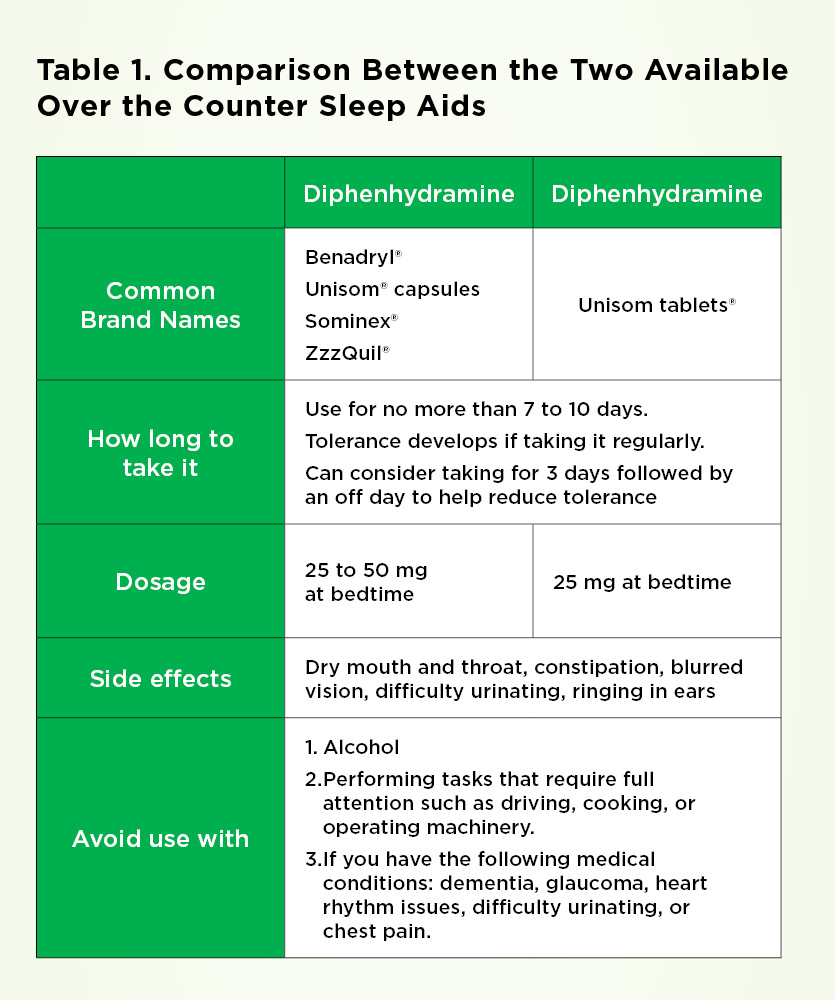
- Over-the-counter (OTC) medications: You can find sleeping aids that don’t require a prescription, but always speak with your health care provider before using an OTC insomnia medication. OTC medications aren’t intended to be used long-term, and some OTC medications and supplements can interact negatively with some prescription medications.
- Supplements: Melatonin supplements can help promote better sleep by raising melatonin levels. Always speak with your health care provider before taking any supplements. “If adding melatonin to your nightly routine for sleep doesn’t produce improvements in about one to two weeks, it’s important to stop taking it and speak with your health care provider,” said Gorovoy, a clinical psychologist and behavioural sleep medicine specialist.
Bottom line
Insomnia can happen to anyone at any stage of life. Still, the typical biological and lifestyle changes associated with aging make it more likely for older adults to develop this sleep disorder. If you experience insomnia for more than three months, it’s considered chronic.
Because high-quality sleep is crucial for our physical and mental health, we recommend speaking with your health care provider if you have insomnia. Your provider will discuss the best treatment options according to your lifestyle, current health conditions, and preferences.