Showing posts with label side effects. Show all posts

Friday, 10 July 2026

The surprising effect sleep deprivation can have on the body in just six weeks

From independent.co.uk

Sleep deprivation has been linked to changes in appetite and weight gain, but researchers say this could happen in just six weeks 

Getting just an hour and a half less sleep a night for a few weeks could cause weight gain, a study has suggested.

Most adults need between seven and nine hours of sleep a night to stay healthy, but one in five adults in the UK aren’t getting enough sleep, and about a quarter are living with obesity.

Sleep deprivation has long been linked to changes in appetite, causing overeating and weight gain as a result, but a new study has suggested this can happen surprisingly quickly.

A study by researchers at Columbia University found getting insufficient sleep, even for just six weeks, is enough to make someone put on weight.

Marie-Pierre St-Onge, professor of nutritional medicine in the university’s department of medicine, said: “Getting adequate sleep may help reduce the risk of weight gain and obesity-related conditions like heart disease and diabetes.”

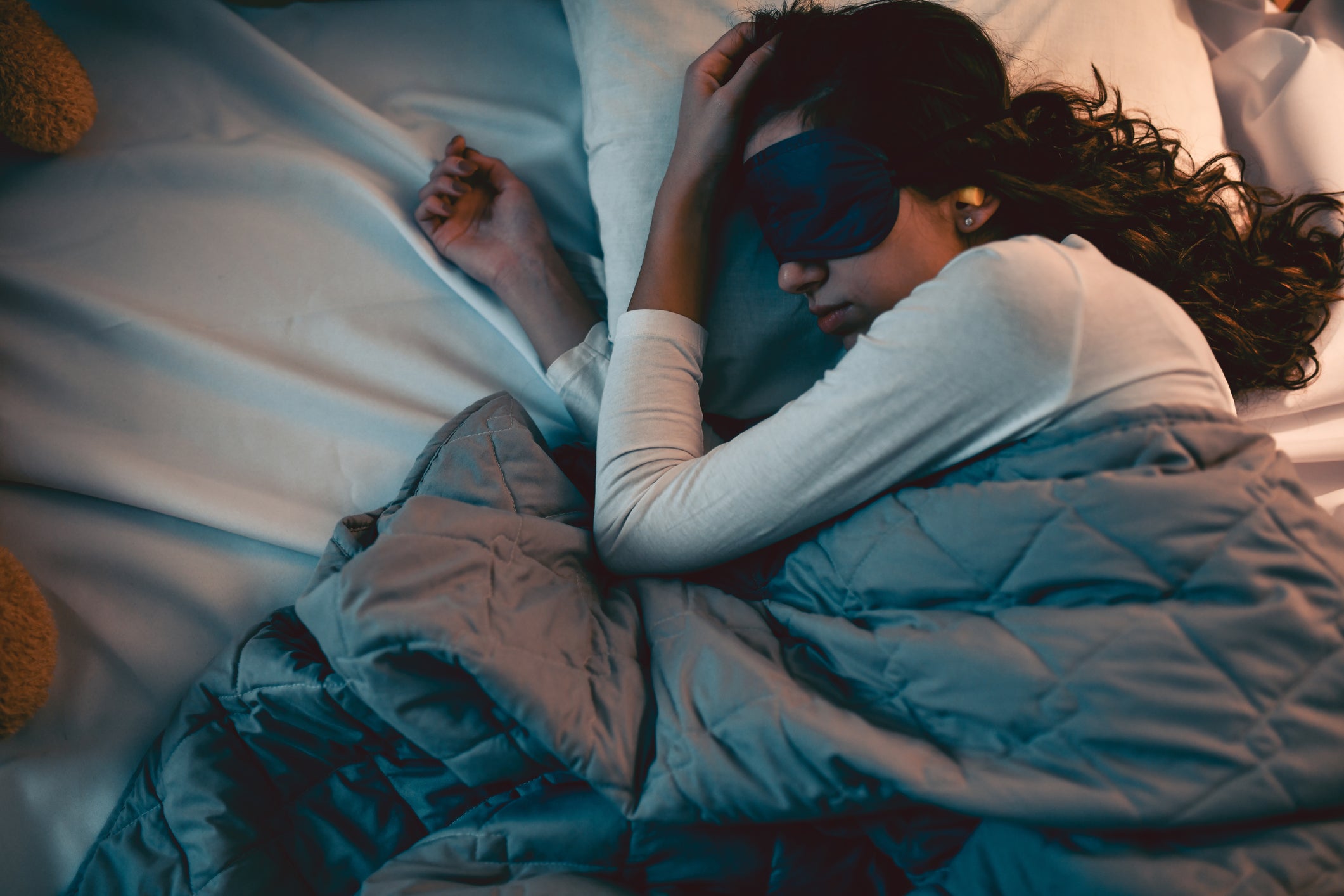
One in five adults in the UK aren’t getting enough sleep and it could be impacting their weight
One in five adults in the UK aren’t getting enough sleep and it could be impacting their weight (Getty/iStock)

For the study, published in the journal Annals of Internal Medicine, 95 adults who usually get the recommended seven to eight hours of sleep a night were instructed to delay their sleep by 90 minutes for six weeks. They then slept at their usual time for another six weeks.

Their sleep and activity levels were measured throughout each phase with a wrist monitor, along with changes in body weight, waist circumference, body composition, and fasting levels of several hormones known to increase or suppress appetite.

Researchers found participants gained an average of 1lb over the six weeks with less sleep. They also spent about 20 more minutes sedentary than usual.

"While the one-pound weight gain observed with modest sleep curtailment is not overwhelming, it is important to remember this is occurring over just six weeks."

Faris Zuraikat, assistant professor of nutritional medicine in Columbia University’s department of medicine, said: “Our study was designed to mimic sleep patterns that most adults experience chronically. When extrapolated to a full year, we would expect that losing less than an hour and a half of sleep per night could result in clinically meaningful weight gain.”

According to scientists, not getting enough sleep is associated with higher levels of the hormone ghrelin, which increases appetite. This, in addition to feeling more tired and so less likely to exercise, can contribute to weight gain.

Naveed Sattar, professor of metabolic medicine at the University of Glasgow, who was not involved in the study, said: “Sleep is a critical part of a healthy lifestyle. When we do not get enough sleep, the hormones that regulate appetite become disrupted, making us feel hungrier and increasing the likelihood of overeating. Tiredness can also reduce physical activity, meaning we burn fewer calories during the day. In addition, being awake for longer simply provides more opportunities to eat.”

Alex Miras, professor of medicine at Ulster University, also explained a lack of sleep can impact the pancreas – but so can getting too much sleep.

He told The Independent: “A lack of sleep increases the levels of inflammation and insulin resistance around the body. The pancreas has to then work harder to bring the blood sugars down by increasing the amount of insulin it produces. This can also cause either weight gain or worse metabolic health. On the other extreme, too much sleep is also associated with worse metabolism.”

https://www.independent.co.uk/news/health/sleep-deprivation-body-weight-gain-study-b3009632.html

Tuesday, 9 June 2026

New Study: This Surprising Mental Trait Could Be the Key to Beating Insomnia

From inc.com

Constantly tired? A simple factor may be contributing to your inability to find high-quality sleep. Here’s what to know 

Could feeling wiser than your years be worsening your days? Possibly. 

A new study published in Sleep found a link between subjective age (the age you feel) and how well you sleep. People with a higher subjective age reported more symptoms of insomnia and feeling more tired throughout the day. The results will be presented at the Sleep 2026 annual meeting in mid-June. 

The study was conducted by the VA Boston Healthcare System, Virginia Commonwealth University, and the National Sleep Foundation. 

The scientists ultimately found that age discrepancy can act as a predictor in overall health and longevity. In the study, age discrepancy is defined as the mismatch between a person’s subjective age, how old a person feels, and their actual, chronological age. Positive values indicated feeling older while negative values indicated feeling younger. The researchers noted that adults who felt older had more symptoms of insomnia, more sleep-related impairments, and lower overall sleep health and regularity.

“These findings suggest how people perceive their own aging may have important implications for sleep and overall well-being,” said Joseph M. Dzierzewski, the principal investigator of the study. “Understanding subjective age could help inform future approaches to support healthier sleep and quality of life across the lifespan.”

To come to this conclusion, the researchers collected survey responses from 3,177 adults with a mean age of 42.8. Participants were asked questions to assess their subjective age, insomnia, overall sleep health, and sleep-related impairment. The subjects were evaluated on their mental health and asked to self-report any physical health symptoms that may affect their sleep.

The scientists used correlational and regression analyses to look at the associations between age discrepancy and sleep. A parallel mediation, a test to see if any predictors affected the outcome through two or more variables simultaneously, was then used to explore the indirect effects sleep had on physical health. 

The scientists found that those who reported feeling older than their actual age had statistically significant poorer sleep and sleep-related impairments. Additionally, they found that those who had higher age discrepancies also had higher rates of insomnia and worse subjective physical health. 

                                                                                                                                                                     Photo: Getty Images

Key takeaways from the research

Dzierzewski told Inc. that this doesn’t have to start in a doctor’s office; it can begin with a simple internal check. “The question is almost like, how are you feeling? Do you feel older? Do you feel younger? Do you feel right on?”

The good news, he said, is that nothing about this picture is fixed. “Your subjective age is certainly changeable, your sleep is changeable. Staying physically active, eating a good healthy diet, and challenging some of those negative beliefs we have about aging.”

He added that consistently feeling older than your age is “not a warning sign, but something you should pay attention to. It’s a sign that your sleep or your health maybe needs more support than you’re giving it.”

And while the study focused on sleep, Dzierzewski thinks the implications can stretch to other areas of your life. Embracing aging more realistically, not chasing youth, and aligning expectations with where you actually are could, he said, bring everything a little more into balance: “All of these things are changeable.”

https://www.inc.com/lucia-auerbach/new-study-this-surprising-mental-trait-could-be-the-key-to-beating-insomnia/91354563

Wednesday, 3 June 2026

Feeling older than your age is linked to poorer sleep and worse daytime functioning

From medicalxpress.com

By

A new study to be presented at the SLEEP 2026 annual meeting found that adults who feel older than their chronological age reported worse sleep outcomes, including more insomnia symptoms, greater sleep-related impairment, and lower sleep regularity, with those sleep outcomes in turn associated with poorer self-reported physical health.

Results show that the mismatch between how old a person feels and their actual age, known as age discrepancy, was a significant predictor of all sleep outcomes examined, even after accounting for chronological age, sex, race, depression, and anxiety. Adults who felt older than their years reported more insomnia symptoms, more sleep-related impairments, lower overall sleep health, and lower sleep regularity. Mediation analyses further found that higher age discrepancy was associated with poorer self-reported physical health indirectly through its associations with insomnia severity, sleep regularity, and sleep-related impairment.

"Adults who felt older than their actual age consistently reported poorer sleep outcomes, including more insomnia symptoms, less regular sleep, and greater daytime impairment," said principal investigator Joseph M. Dzierzewski, who has a doctorate in clinical psychology and is senior vice president of research and scientific affairs at the National Sleep Foundation. "These associations remained significant even after accounting for chronological age, depression and anxiety."

                                                                                            Credit: Arina Krasnikova from Pexels

According to the American Academy of Sleep Medicine, sleep is essential to health, and it requires adequate duration, good quality, appropriate timing and regularity, and the absence of sleep disturbances or disorders. Insomnia disorder is characterized by difficulty falling or staying asleep and is associated with impaired daytime functioning and overall health.

The study involved 3,177 adults (mean age 42.8 years; 49% female) who completed an online survey that assessed subjective age, chronological age, insomnia severity, sleep health, sleep regularity, and sleep-related impairment. Participants also completed measures of depression, anxiety, and self-reported physical health. Age discrepancy was calculated as the difference between subjective and chronological age, divided by chronological age, with positive values indicating feeling older and negative values indicating feeling younger. Correlational and regression analyses examined associations between age discrepancy and sleep outcomes, and a parallel mediation analysis explored indirect effects on physical health through sleep variables.

Dzierzewski noted that the findings have implications not only for clinical care but also for public health messaging around aging and sleep.

"These findings suggest how people perceive their own aging may have important implications for sleep and overall well-being," Dzierzewski said. "Understanding subjective age could help inform future approaches to support healthier sleep and quality of life across the lifespan."

https://medicalxpress.com/news/2026-06-older-age-linked-poorer-worse.html

Monday, 1 June 2026

Poor sleep linked to higher cancer risk in individuals aged below 50 years- study

From eastleighvoice.co.ke

Poor sleep may be contributing to the rising number of cancer cases among people under the age of 50, according to findings from two large studies presented at the American Society of Clinical Oncology.
The research suggests that irregular sleep patterns could be linked to a higher risk of developing early-onset cancers, including bowel, breast, uterine, and ovarian cancers. In some cases, individuals diagnosed with insomnia were found to be up to three times more likely to develop cancer within five years.
The findings add to growing global concern over the steady increase in cancer diagnoses among younger adults. Over the past three decades, early-onset cancer cases have risen by nearly 80 per cent worldwide, increasing from about 1.82 million in 1990 to 3.26 million in 2019.
Cancer-related deaths among people in their 40s, 30s, and younger have also increased by about 27 per cent over the same period, according to global cancer burden estimates cited in peer-reviewed oncology research, including BMJ Oncology publications.
The findings add to growing global concern over the steady increase in cancer diagnoses among younger adults. (Photo: Freepik)
Researchers analysed health data from more than 18 million adults aged between 18 and 50 drawn from long-term health records and insurance-linked medical databases, allowing researchers to compare sleep patterns, diagnoses of insomnia, and later cancer outcomes. They found that people with disrupted or consistently poor sleep patterns were more likely.
Individuals with a clinical diagnosis of insomnia showed a significantly elevated risk of developing cancer within five years following diagnosis. In some cases, the risk was reported to be up to three times higher compared with individuals without recorded sleep disorders.
Researchers said the results point to sleep disruption as a potentially important and modifiable factor in understanding early-onset cancer risk, although they emphasised that the findings do not prove causation.
“Sleep health is increasingly being examined as part of broader cancer prevention research, particularly as traditional risk factors alone do not fully explain the rising incidence of cancer in younger populations,” the researchers said.
According to researchers, they argued that sleep disruption could be integrated into future risk assessment models if further studies confirm the association.
Experts caution, however, that the relationship between poor sleep and cancer is complex. While sleep plays a key role in immune regulation, hormone balance, and cellular repair processes, current evidence does not confirm that insomnia directly causes cancer. Instead, researchers suggest that multiple overlapping pathways may be involved.
One possible explanation is biological. Chronic sleep disruption has been linked to impaired immune function, increased inflammation, and hormonal changes, all of which may influence how the body detects and responds to abnormal cell growth.
Sleep is also essential for processes such as DNA repair and metabolic regulation, which are important in preventing the development of malignant cells.
However, experts also point to behavioural factors that may confound the association. People experiencing long-term poor sleep are more likely to adopt unhealthy lifestyle patterns, including reduced physical activity, higher alcohol consumption, increased smoking rates, poor diet, and weight gain.
These factors are independently associated with a higher risk of several cancers, making it difficult to separate the direct effects of sleep from broader lifestyle influences.
There is also the possibility of reverse causation. Some researchers suggest that early, undiagnosed cancer may itself affect sleep quality through hormonal changes, pain, inflammation, or psychological stress. This means that in some cases, poor sleep could be an early symptom rather than a cause of cancer, further complicating the interpretation of the findings.
A health specialist commenting on the studies noted that the impact of insomnia on long-term disease risk is an emerging area of interest in public health research. The specialist emphasised that while the association is noteworthy, it should not be interpreted as evidence that sleep disturbance directly leads to cancer, but rather as an area requiring deeper investigation through long-term cohort studies.
Another public health expert from a leading cancer research organisation said the studies explore a potential link between insomnia and certain cancers in younger adults, but stressed that more long-term evidence is needed before firm conclusions can be made.
The expert added that population-based studies following individuals over longer periods would help clarify whether sleep disruption is a true risk factor or a correlated condition.
Cancer specialists continue to emphasise that established prevention strategies remain critical. These include avoiding tobacco use, maintaining a healthy body weight, engaging in regular physical activity, moderating alcohol consumption, and reducing excessive sun exposure. While sleep health is increasingly recognised as an important component of overall well-being, it is not yet included among established causal risk factors for cancer.
https://eastleighvoice.co.ke/health/359747/poor-sleep-linked-to-higher-cancer-risk-in-individuals-aged-below-50-years-study

Saturday, 6 December 2025

Morning Headaches and Their Causes: Proven Ways to Prevent Sleep-Related Headaches

From medicaldaily.com

Morning headaches affect millions of people and can significantly disrupt the start of a new day. These episodes are often tied to sleep-related headaches—pain that stems from disruptions that occur during the night, such as reduced oxygen intake, poor sleep posture, or stress-related tension. Many individuals overlook the role of night-time habits and physiological changes that influence headache patterns. Understanding these early signals helps identify which underlying issues need attention and which habits might be quietly triggering discomfort.

Common headache causes during sleep include shallow breathing, jaw clenching, dehydration, and hormonal shifts. According to the American Academy of Sleep Medicine (AASM), up to 29% of people with obstructive sleep apnoea experience morning headaches due to repeated oxygen drops during the night. Addressing these factors early—with the right lifestyle adjustments or medical evaluation—can stop morning headaches from becoming a daily barrier to productivity and well-being. 

Primary Headache Causes Behind Sleep-Related Headaches

                                                                                                                 Pixabay/Alexandra Koch

Morning headaches often stem from night-time disruptions that affect oxygen levels, brain chemistry, or muscle tension. One of the most researched contributors is obstructive sleep apnoea (OSA). Based on a study conducted by the National Institutes of Health, OSA causes repeated breathing pauses that lower oxygen levels and trigger hypoxic brain changes linked to sleep-related headaches upon waking. Another major factor is dehydration. According to Harvard Health, natural fluid loss overnight thickens the blood and constricts blood vessels, creating conditions that increase the likelihood of morning head pain.

Other common causes include bruxism, poor sleep posture, inconsistent caffeine intake, and medication overuse. These factors strain muscles, alter sleep stages, or disrupt the brain's chemical balance. Insomnia further intensifies stress hormones, increasing sensitivity to pain. Identifying which night-time habits or health issues may be contributing is the first step toward meaningful headache relief.

Key Causes of Sleep-Related Morning Headaches

  • Obstructive Sleep Apnoea (OSA): Breathing pauses during sleep reduce oxygen levels, triggering hypoxic changes that lead to morning headaches.
  • Bruxism (Teeth Grinding): Overnight jaw clenching strains facial and neck muscles, causing tension that radiates into the temples.
  • Poor Sleep Posture: Misaligned neck and spine positions place stress on cervical muscles, contributing to early-morning head pain.
  • Insomnia: Fragmented sleep increases stress hormones, heightening pain sensitivity and worsening headache frequency.
  • Caffeine Withdrawal: Late-day caffeine use can cause rebound morning headaches as stimulant effects wear off overnight.
  • Medication Overuse: Using night-time pain relievers can cause rebound headaches once the medication wears off by morning.
  • Dehydration: Overnight fluid loss thickens the blood, leading to vascular changes that trigger morning headaches.
  • Circadian Rhythm Disruptions: Irregular sleep schedules interfere with the body's internal clock, contributing to morning discomfort.
  • Nocturnal Hypoglycaemia: Low blood sugar overnight may result in an early-morning headache and fatigue.
  • Alcohol Before Bed: Drinking disrupts REM sleep and causes dehydration, both of which increase headache likelihood.

Effective Prevention Strategies for Morning Headaches

Preventing morning headaches requires addressing underlying sleep-related factors and adopting habits that support consistent, high-quality rest. One of the strongest medical interventions is CPAP therapy for those diagnosed with OSA. According to the American Academy of Sleep Medicine, CPAP stabilizes breathing by keeping airways open throughout the night, restoring oxygen levels, and reducing the frequency of sleep-related headaches.

Hydration is another foundational prevention strategy. Drinking sufficient water before bedtime helps maintain normal blood flow and reduces the causes of vascular headaches. Avoiding evening caffeine, alcohol, and heavy meals also decreases the likelihood of hormonal and metabolic disturbances that contribute to morning discomfort.

For individuals who grind their teeth, night-time mouth guard can significantly reduce jaw and neck tension. Combining this with gentle bedtime stretches—particularly those targeting the shoulders, upper back, and neck—helps minimize muscle strain associated with morning headaches. Stress reduction techniques, such as mindfulness meditation or deep breathing exercises before sleep, can help regulate cortisol levels and promote more restorative sleep.

Maintaining a consistent sleep schedule is equally important. Irregular sleep cycles confuse the body's circadian rhythm, increasing the likelihood of sleep-related headaches. Setting fixed bedtime and wake-up times supports more stable neurological and hormonal patterns.

Finally, monitoring the sleep environment matters more than many realize. A supportive pillow, a cool bedroom temperature, and minimal exposure to blue light before sleep can dramatically improve rest quality. These seemingly small adjustments often reduce both the frequency and intensity of morning headaches.

Conclusion

Morning headaches may seem like minor inconveniences, but they often point to underlying sleep-related headaches or physiological disruptions that shouldn't be ignored. Issues such as sleep apnoea, jaw clenching, caffeine withdrawal, or dehydration contribute to these early-morning symptoms, and addressing them directly can dramatically improve overall well-being. By understanding the common causes of headaches behind these episodes, individuals can take proactive steps toward prevention and relief.

Implementing consistent sleep routines, optimizing sleep environments, and seeking medical evaluation when needed are powerful tools for long-term improvement. With targeted strategies and greater awareness, people can significantly reduce the frequency of morning headaches and finally begin their days with clarity, energy, and comfort.

Frequently Asked Questions

1. What triggers most morning headaches?

Sleep apnoea, bruxism, insomnia, and dehydration are the most common causes, leading to oxygen reduction, muscle strain, and disrupted rest.

2. How to stop sleep-related headaches?

Treat underlying drivers like OSA with CPAP therapy, improve sleep hygiene, manage stress, and address bruxism with dental appliances.

3. Are morning headaches a sign of something serious?

Sometimes. Persistent headaches may indicate hypertension, migraines, neurological conditions, or hormonal imbalance. A medical evaluation is recommended if they continue.

4. Can lifestyle changes prevent morning headaches?

Yes. Adequate hydration, regular sleep routines, reduced caffeine, proper neck support, and night-time relaxation practices significantly lower risk.

https://www.medicaldaily.com/morning-headaches-their-causes-proven-ways-prevent-sleep-related-headaches-474173

Saturday, 25 October 2025

Thinking about sleep changes your sleep

From lbknews.com

By Matthew Edlund

Like depression, insomnia used to be treated as a symptom of “something else.”  Not anymore.  At this year’s national sleep meetings in Denver, it became clearer how big a national and international problem insomnia is – as well as how to fix it.

As insomnia researcher  Charles Morin pointed out, the distinction between “primary” and “secondary” insomnia is gone.  Insomnia afflicts people – and many of the people around them – through effects that affect much of modern life.

If you don’t feel you get enough sleep, there can be hell to pay.  Here are a few examples:

Economic – people with insomnia are unhappy, irritable, more prone to accidents and errors of judgment, and less productive.  They are also less helpful to their colleagues.  Though the problem is worst at the bottom of the economic scale, with people trying to commute and work to three part-time jobs choosing between time asleep or time for work and family,  CEOs are also hit.  The reason?  International travel and 24/7 schedules.  Humans are not machines.  We just try to act like we are.  One of the biggest “trends” for CEOs are executive trainers who specialize in “getting people sleep” and overcoming jet lag. It’s not just shift workers now.  Biological clocks have arrived in the executive suite.

Medical – People who get sick – whether it’s colds or cancers – sleep less effectively, and take longer to regenerate themselves.  A big trend in insomnia research is the realization of how much insomnia affects cardiovascular disease, through more hypertension and heart attacks.  As is often the case with insomnia, there is an endlessly increasing dialectic – more medical problems make for more insomnia, and more insomnia makes for more medical problems.

Psychiatric – Ever since Boris Angst in Zurich showed how a third of insomniacs eventually become depressed, people have been paying attention.   According to Morin, insomnia doubles the rate of depression, a finding consistent throughout the world.  Tom Wehr in the US showed two decades ago he could manipulate mania or depression by changing people’s sleep times.  If you want to see schizophrenia burst out in its full, naked form, observe people who consistently can’t sleep.

Military – sleep in armies and navies gets too little attention.  Soldiers in combat zones often sleep poorly.  Ongoing research by the US military demonstrates how this sets up soldiers to make potentially catastrophic errors, both military and moral.  Plagued by traumatic brain injury and post-traumatic stress disorder, the American military now recognizes it has huge sleep problems.  Insomnia is the thread that runs through most of them.

Sleep deprive an animal long enough and it dies.  Those experiments have not been done in people – very thankfully.  But mess up rest and all kinds of bad things happen, to ourselves and our communities.  Fortunately, the right treatments work.

Treatment


Worldwide, the most common treatment for insomnia is pills.  The most effective treatment is cognitive-behavioural techniques for insomnia, or CBTi.  This mismatch leads to much mayhem.

Looking at the data of Dan Kripke, an emeritus professor at the University of California, San Diego, regular sleeping pill use is associated with a mortality odds ratio of five – five times the death among people using sleeping pills as compared with controls.  Other studies have found somewhat lesser fatality numbers, but they remain scary.  People regularly using sleeping pills have higher death rates in cardiovascular disease; accidents; even cancer.

The CBTi approach generally starts with behavioural techniques.  That means teaching people about biological clocks and how to sleep, something many in the internet age have forgotten.  Machines can go full blast all day.  We can’t. We need rest like we need food.  Teaching people the basic principles of sleep is now gaining more attention, one of the reasons I started sleepuniversity.org.

Following behavioural techniques, people learn cognitive ones – how their thinking about sleep changes their sleep.  Combining behavioural with cognitive techniques, people learn how to approach sleep in terms of solutions, not just problems.  They recognize that staying in bed when you can’t sleep doesn’t help. They learn that not every night of sleep is not perfect.  They begin to see how body clocks influence so much of their lives.  They figure out ways to think differently, not just about sleep, but about health in general.

CBTi is now used all over the world in hundreds of different configurations.  Many companies are putting it out on the web.  Manuals short and long exist by the truckload.  It’s not just effective, it’s cheap.

The profit margin on sleeping pills is much, much greater.

The Future

Insomnia researchers, like depression researchers before them, are trying to subtype different kinds of insomnia.  They’re trying to figure out how it occurs,  including the realization that in insomnia not all of the brain is “asleep” when people think they’re sleeping.

Yet the basic teaching is simple.  We need sleep to live.  To sleep well we have to treat our bodies as bodies, not machines.  And for the 10% of the population that already has bad insomnia, the most safe and effective treatments don’t involve drugs.

https://lbknews.com/thinking-about-sleep-changes-your-sleep/ 

Wednesday, 14 May 2025

The hidden toll of insomnia: Unmasking the true cost of sleep loss (Rwanda)

From newtimes.co.rw

Do you ever get to bed and fail to catch some sleep until the wee hours of the morning? For some people, it can go on for days without managing a moment of sleep.

In today’s fast-paced world, sleepless nights are increasingly becoming the norm. For people like Egide Munezero, a university student who juggles studies and a side job to make ends meet, sleep is a rarity.

“Most times I study during the day and work the night shift until around 1 a.m., then I have to go back home and do my coursework. I find myself not getting enough time to sleep because in the morning I have lectures to attend,” says Munezero, who works as a waiter in a restaurant and bar.

While society praises hustle culture and productivity, an invisible crisis is growing — one that quietly chips away at the mental, emotional, and physical well-being of thousands of people, including Munezero. That crisis is insomnia.

“Even when I get time off, I am not able to sleep. I can go to bed and spend hours and hours awake. I end up waking up to do something on the phone or computer,” the 25-year-old says.

From the glow of smartphone screens in dark bedrooms to unresolved psychological wounds, a growing number of Rwandans are struggling to get a full night’s rest.

Yet many remain unaware that what they are experiencing may be a diagnosable, and treatable — sleep disorder.

When sleeplessness becomes a disorder

According to Dr. Concorde Ishimwe, a medical doctor at Muhima Hospital, a sleep disorder goes beyond simply feeling tired. It involves a disruption in sleep quality, timing, or duration and can manifest in different forms.

"A sleep disorder is classified under many different things. It refers to how well you sleep, or your sleep quality. Secondly, it concerns when you fall asleep and how long you stay asleep — what we call sleep timing or sleep duration. All these factors contribute to what we call a sleep disorder,” Dr. Ishimwe told The New Times.

He notes that there are different ways sleep disorders can manifest, and experts use the International Classification of Sleep Disorders (ICSD) to understand these types.

According to Ishimwe, one of the most common forms is insomnia — the inability to fall or stay asleep.

Others include Central Disorder of Hypersomnia, where a person remains half-awake and half-asleep, and sleep disruptions caused by physical conditions like sleep apnea, often found in people with obesity or heart problems.

“Normally, a person should sleep between 7 to 9 hours. Children are supposed to sleep more than adults because their brains are still developing. Brain development happens mostly during sleep,” Dr. Ishimwe said.

Dr. Ishimwe points out that lack of restful sleep has direct impacts: reduced cognitive function, poor job performance, emotional instability, and, in extreme cases, increased risk of accidents.

“You might go to work and feel exhausted, mistakenly thinking you slept, while in reality, you didn’t,” he notes.

A symptom of something deeper

Therapist Josée Nyamutamba Nyetera emphasises that insomnia often signals deeper issues — particularly psychological ones.

“There’s a saying: There is no insomnia without a psychological problem, and there’s no psychological problem without insomnia. They go together,” she said.

She classifies the condition into two categories: initial insomnia, where a person cannot fall asleep easily, and secondary insomnia, where someone sleeps but wakes up and remains alert through the night. Both are common in Rwanda’s increasingly sleepless population.

“Sometimes, we need to listen to the person to diagnose. With physical illness, you can take blood, sputum, or urine, test it, and get results. But in mental health, you must actively listen,” Nyamutamba explained.

For example, a disagreement with a friend or family member may be enough to cause multiple sleepless nights.

“We can sometimes help ourselves — not every issue needs to be treated as a disease. Some issues we can resolve with parents, friends, or siblings. But there are other, deeper ones where we must seek professional help,” she added.

Ignoring it, however, can be dangerous. Long-term insomnia can snowball into chronic mental health conditions or worsen existing medical problems.

Hidden causes and dangerous assumptions

Not all sleep disorders stem from psychological distress.

According to Dr. Ishimwe, biological illnesses like diabetes, heart disease, or obesity can contribute to poor sleep.

“Overweight people tend to snore more. Also, people with heart disease — these are all conditions that can lead to sleep disorders, including depression,” he noted.

Sometimes, no clear cause is found. “You can also develop a sleep disorder without having any medical condition — it can appear on its own. There are what we call ‘causes unknown,’” he said.

But what makes the crisis worse is the tendency for self-diagnosis and self-medication.

“Self-medication is not good. You shouldn't just go buy sleeping pills without knowing the cause,” Dr. Ishimwe warned. “If it’s depression, we treat the depression. If it’s diabetes, of course, there are medications for that. But if you don’t know the cause, you cannot treat it.”

He likened it to chronic headaches. “You may keep taking medicine from the pharmacy, paracetamol or beta pin — but the real issue, like a brain tumour, is what’s causing your constant headaches. By the time you go, it might already be cancer.”

The key takeaway is this: do not guess. Seek help.

Who can help?

In developed countries, people often consult sleep specialists who use devices like polysomnography to monitor brain activity and sleep cycles.

While such advanced diagnostics may not yet be widely available in Rwanda, early consultations with general physicians or mental health professionals are a good starting point.

Dr. Ishimwe also cautions against common misconceptions: “Actually, many people wrongly believe that a sleep disorder is only about failing to sleep. You can sleep, but sleep badly. Some people talk in their sleep — that too is a sleep disorder.”

Some even sleepwalk or act out dreams, which could indicate REM sleep behaviour disorder — a serious but treatable condition. Sleep, it turns out, is far more complex than it appears on the surface.

What can be done?

While not all sleep issues are severe enough to warrant medical intervention, small lifestyle changes can have a big impact.

Establishing a consistent sleep schedule, limiting screen time before bed, and avoiding stimulants like caffeine late in the day are commonly recommended strategies.

Physical exercise has also been shown to improve sleep quality — but it’s best done earlier in the day. Creating a calming bedtime routine, such as reading or practicing mindfulness, can signal to the body that it's time to wind down.

For those working night shifts, adapting the sleep environment by using blackout curtains or white noise machines can help train the body to rest during daylight hours.

Above all, both medical professionals and therapists advise against self-medicating without understanding the root cause of the problem.

As Dr. Ishimwe emphasised: “Medically — and not just for sleep disorders, but for all illnesses — you shouldn't take medication without identifying the underlying cause.”

A global crisis

Sleep deprivation is not just a challenge that Rwandans are grappling with.

According to the World Health Organisation (WHO), up to one in three people worldwide experiences some form of sleep disturbance, and chronic insomnia affects approximately 10 per cent of adults globally.

Poor sleep contributes to a wide range of health conditions, from heart disease to depression, yet it often goes unrecognised and untreated.

Despite growing research and awareness, sleep health remains one of the most neglected public health priorities, especially in lower-income countries.

As Rwanda grapples with this silent epidemic, it joins a global community struggling to restore balance in an overworked, overstimulated world.

The message is simple: sleep matters. It is not a luxury — it is a necessity. And the more it is treated as such, the healthier people will be as individuals, as families and as a nation.

https://www.newtimes.co.rw/article/26393/news/health/the-hidden-toll-of-insomnia-unmasking-the-true-cost-of-sleep-loss