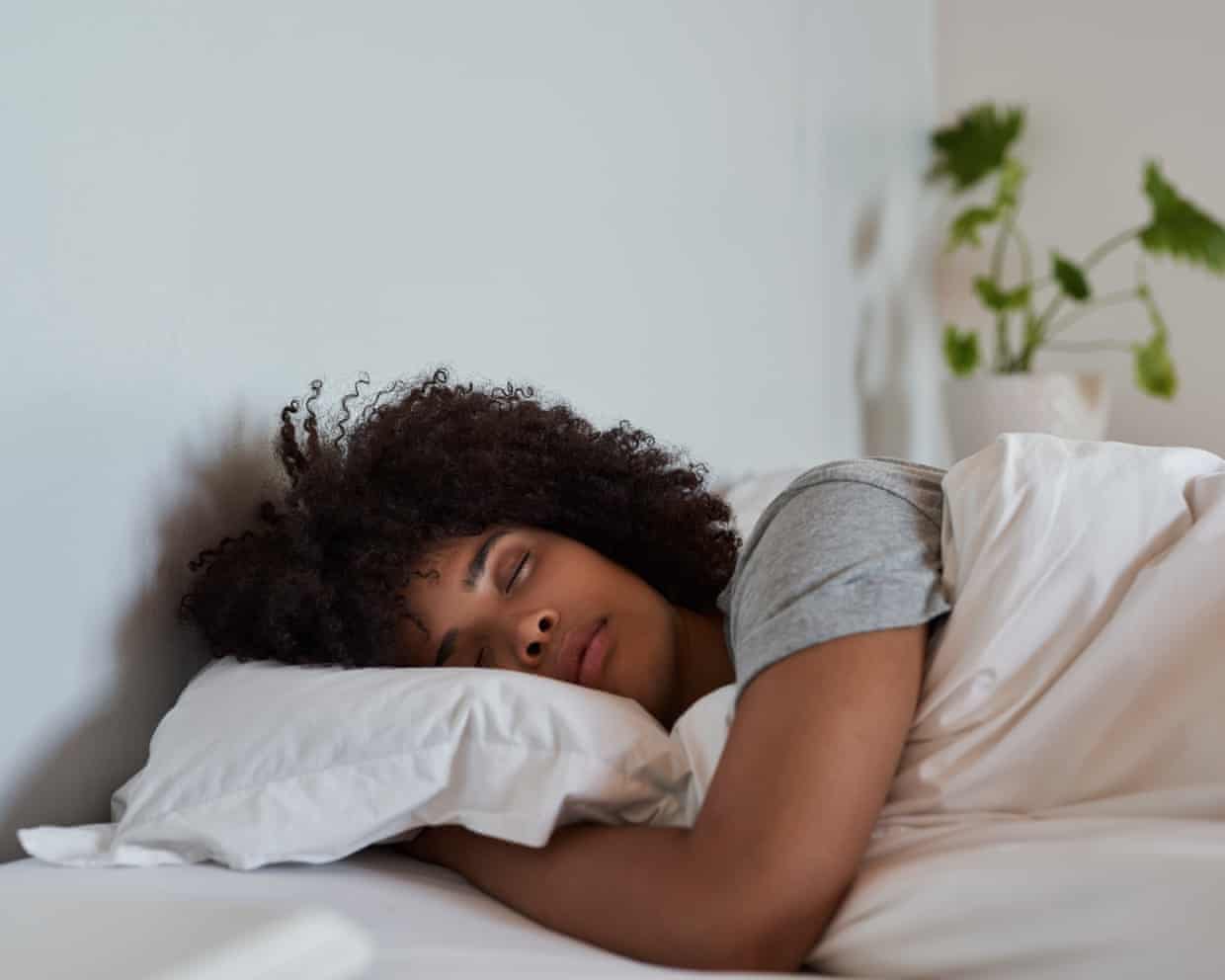
Nearly half of US adults aren’t getting the recommended amount of sleep each night, leading some to catch up on their rest over the weekend.
But if you feel guilty about waking up an hour or two later, don’t: New research indicates it can actually have some health benefits.
Snoozing past your alarm on your days off was long thought to be a major health no-no. For one thing, a consistent sleep and wake-up schedule is a key factor in good sleep hygiene, which can protect against things like insomnia and middle-of-the-night wake-ups.
One study from King’s College London also found a link between “social jet lag” — a disruption of the body’s internal clock caused by an irregular sleep schedule — and lower diet quality, which can impact the gut microbiome.
But new research presented at theEuropean Society of Cardiology’s conferencethis weekend offered a counterpoint, finding a healthy upside for those who catch a few extra winks at the end of the work week.
An extra hour and 27 minutes of sleep on weekends could decrease the risk of high blood pressure by up to 9% in adults Brian Jackson – stock.adobe.com
Analysing sleep data of 41,000 adults between 2016 and 2023, the scientists at Korea University said that those who slept in on the weekend were up to 9% less likely to have high blood pressure.
But that doesn’t mean you should stay in bed until the afternoon: The sweet spot, they found, was one hour and 27 minutes.
“Not getting enough sleep puts extra stress on the body. It keeps the heart and blood vessels working harder and can increase blood pressure,” study author Dr. Nawon Lee said.
“Getting some extra sleep on the weekend may give the body a chance to recover and reduce some of that stress.”
“People should not feel lazy or guilty for sleeping a little longer on the weekend. If they have not been able to get enough sleep during the week, some extra sleep on the weekend may simply be the body’s way of recovering from that sleep loss.”
Sleep is essential to heart health, with the American Heart Association adding it to their Life’s Essential 8 checklist for good cardiovascular health.
In addition to smoking, age, diet, exercise and more, sleep deprivation is also a risk factor for hypertension, or high blood pressure, which nearly half of Americans have.
Researchers believe that when we sleep, our blood pressure drops by about 10%, a process called “nocturnal dipping.”
But too much sleep can backfire. The study also revealed that too much additional weekend sleep could be harmful, with more than four extra hours increasing the risk of hypertension.
While those who are making up for sleep deprivation during the week may see benefits, excessive rest may increase “the degree of sleep irregularity and circadian disruption, which could offset that benefit,” according to Lee.
No need to feel guilty for sleeping in on weekends, as new research says the right amount may have health benefits. Andrii Lysenko – stock.adobe.com
Previous researchhad found that regular bedtimes and wake-ups reduced the risk of a stroke, with irregular sleepers 26% more likely to suffer a stroke, heart failure or heart attack.
Those who are sleeping a little longer on their day off shouldn’t feel guilty, though, as they may still reap the benefits, according to researchers.
“If they have not been able to get enough sleep during the week, some extra sleep on the weekend may simply be the body’s way of recovering from that sleep loss,” Lee said.
Do you ever find yourself falling asleep on the couch after dinner or halfway through a TV series? It may seem harmless, but this habit is one you should try to break as soon as possible. Disrupted cycles, poor conditioning for sleep, and a higher risk of insomnia – dozing off unintentionally can lead to real consequences for your health. Three sleep specialists explain why.
Many people have experienced this familiar situation: you fall asleep on the living room couch in front of the television after a long day, then wake up and head to bed… only to discover that sleep won’t come back.
But beware. “Falling asleep unintentionally like this is not a good thing,” warns Dr Marc Rey, president of the French National Institute of Sleep and Vigilance. Caroline Rome, a sophrologist specialising in sleep and alertness at the Hôtel Dieu sleep centre in Paris, agrees. “When someone falls asleep like that, overwhelmed by fatigue, they lose control of their sleep – and that’s never a good sign.”
Here is why.
1. It reduces your sleep pressure
Falling asleep on the couch in the evening – especially if it isn’t planned – reduces what specialists call sleep pressure.
In simple terms, sleep pressure is the natural need your body builds up throughout the day to sleep at night. According to Dr Rey, when you briefly fall asleep in the living room and then wake up suddenly to move to your bedroom, you may struggle to fall asleep again.
“When we get home after a long day of work, feeling sleepy is completely normal,” he explains. “But we need to manage sleep the same way we manage food.”
One of the possible consequences is chronic sleep deprivation, because those lost moments of sleep can accumulate over time.
2. You fall asleep in poor conditions
Another problem is the environment in which people usually drift off on the couch. More often than not, it happens in front of a screen – the television, a computer, or even a tablet. And that’s far from ideal.
“It’s very bad to fall asleep in a noisy environment or while exposed to light,” says the specialist.
Our bodies naturally follow a day night rhythm. The hormone melatonin, which regulates sleep, is produced when light levels decrease. Artificial light from screens interferes with this process and can disrupt the body’s natural signals.
There is also the issue of comfort. A couch rarely provides the same support as a proper bed, which means people often fall asleep in awkward positions. And the living room itself is not always an ideal sleep environment.
Sophrologist Christel Neumager, who specialises in sleep in Chantepie near Rennes, highlights this point: “For good sleep quality, it’s important to sleep in a calm, dark room that isn’t cluttered – a peaceful space dedicated specifically to rest.”
3. It disrupts your sleep cycles
Just like meals, sleep works best when it follows a consistent rhythm. When you accidentally fall asleep on the couch, you might wake up a few hours later. This can fragment your sleep and disrupt your internal schedule.
This phenomenon was widely observed during the first lockdown.
“When people remain inactive and lying down all day, their rhythms collapse,” explains Dr Rey. “They doze during the day and then stay awake and stressed at night.”
Maintaining a clear contrast between waking hours and rest is essential for healthy sleep patterns.
Sleep itself follows specific cycles. First comes slow wave sleep, which allows the body to recover physically. Then comes REM sleep, which helps with memory and mental recovery.
“If you interrupt the first cycle, for example, you don’t simply regain it later – your body moves on to the next cycle,” explains Christel Neumager.
4. It disrupts your conditioning for sleep
Falling asleep in the living room instead of your bedroom can also weaken the mental cues your body associates with sleep.
“We are conditioned for sleep,” explains Caroline Rome. “When you enter your bedroom, your body prepares to sleep. It’s the same way entering the kitchen prepares you to eat.”
If you regularly fall asleep on the couch, these signals become blurred. As a result, the brain may no longer associate the bedroom as strongly with sleep, which can lead to poorer rest overall.
5. It can affect your health
Poor or irregular sleep has clear consequences for overall health.
According to Marc Rey, disrupted sleep can contribute to obesity, weaken the immune system, and increase feelings of irritability or low mood.
Sleep disorders also affect alertness and concentration during the day. Physically, the body does not recover properly.
6. It may reveal a sleep debt
Finally, falling asleep unintentionally on the couch may simply mean one thing: you are extremely tired.
“People who fall asleep like this often have a sleep debt,” explains Christel Neumager.
The key is learning to recognise signs of fatigue and listening to your body’s need for sleep. Ideally, you should go to bed as soon as that need appears.
It is also worth remembering that everyone’s sleep needs are different. Some people function perfectly on six hours of sleep, while others require nine hours to feel fully rested.
We’re told that sleep is a superpower, making us smarter, healthier and happier. But how much is enough? And is insomnia as bad for us as we think?
"Once, after I did a presentation, someone came up to me and said, ‘I don’t get eight hours of sleep a night. Am I going to die?’” says Prof Russell Foster, head of theSleepand Circadian Neuroscience Institute at the University of Oxford. “And I said, ‘Well, yes, you’re going to die. But, you know, we all die eventually.’”
This exchange is, hopefully, comforting, but it also shouldn’t be too surprising. Over the past decade or so, we’ve been repeatedly told that sleep is everything from a legal performance-enhancer to an actual superpower – and, conversely, that if we don’t get enough shuteye we’re risking anearly start to our eternal slumber. But how bad is a lack of sleep, really? And if weseemto be coping fine on six hours a night, is there a chance we’re still setting ourselves up for problems further down the line?
To start with the bad news: yes, being chronically sleep deprived is pretty bad for us. One sobering and relatively recent discovery is the glymphatic system, a waste-clearance mechanism that flushes “misfolded” proteins like beta-amyloids (found in the brains of people with Alzheimer’s disease) from the brain during rest. Foster points to data showing that poor sleep during the middle years is a risk factor for dementia in later years, because the brain loses its ability to effectively clear these toxins. “There’s increasing evidence surrounding a lack of sleep’s association with cognitive decline later in life,” says Prof Guy Leschziner, a consultant neurologist who specialises in sleep disorders. “But it’s also associated with increased risk of cardiovascular disease and stroke. We also know that it impacts a range of other physiological processes, like your immune system, your respiratory system and so on. It even influences how your brain processes pain signals, and makes you more vulnerable to them. Every single system is influenced by sleep in some way.”
It’s important to prioritise sleep.Photograph: Mavocado/Getty Images
The good news? Just because you aren’t getting the commonly recommended seven to eight hours doesn’t necessarily mean you’re at risk. Those numbers are typically based on studies from the UK Biobank, a long-term biomedical database that follows the lives of half a million volunteers to investigate how genetics, lifestyle and environment intersect to cause disease – but that doesn’t mean they’re perfect. “I’m a huge fan of the Biobank, but sometimes it’s difficult to unpick sleep from other causes – like the fatigue caused by other illnesses,” says Foster. “With something like sleep, you can’t just slap an average on it and say that’s what everyone should get.”
So howdoyou know if you’re getting enough sleep for your health? Perhaps surprisingly, the best marker is whether you feel OK on the amount you get. “There are some people who need shorter sleep than others in order to maintain the same level of cognitive, psychological and physiological health, and then there are others who are genetically long sleepers who need much more,” says Leschziner. “If someone’s only sleeping for six hours a night but they’re not tired, they don’t have any cognitive symptoms, and, when given the opportunity to sleep more, they don’t, then that’s a good indicator that you have an underlying genetic short sleep time.”
A bad indicator is that you’re irritable, feeling flat, or over-reliant on caffeine, says Foster. “There’s some really beautiful data on the fact that the tired brain has a tendency to remember negative experiences, but forget positive ones,” he says. “So if you find that you’re depressed and you’re taking a sort of a negative view of the world, that might be an indication you’re not getting one of the most important things for your health. It’s also important to listen to friends, family and colleagues about the way you’re behaving – and of course, if you’re tired and irritable, you’re going to be less inclined to do that. If you’re drinking excess caffeine to fuel the day, that’s really important – especially if you’re delaying sleep onset by drinking it into the afternoon and then using alcohol as a sedative, because sedation isn’t as restorative as real sleep.”
This might be a good time to clarify that insomnia, or being unable to sleep despite wanting to, is a different physiological condition from chronic sleep deprivation, or what happens when you’re burning the candle at both ends.
“The easiest way to see the difference is that if you take somebody who is sleep deprived and you give them a bed during the day, they will fall asleep, whereas people with insomnia won’t,” says Leschziner. “We also know that insomnia and being sleep deprived can have very different impacts on general health. Chronic sleep deprivation is not very good for a range of aspects of your health, whereas for most people with insomnia, a lot of the long-term health effects we associate it with are not necessarily applicable.”
One reason for this is that when researchers track the sleep of people with insomnia, their sleep typically isn’t as short as they think – this is because of a phenomenon called sleep state misperception, where people perceive themselves to have been awake when they’ve actually been asleep. “For the majority of individuals who complain of insomnia, their total sleep time, when we measure it based on their brainwaves, is not that much shorter than the average person,” says Leschziner. “And so while these individuals feel sleep deprived, in most cases they’re not at that much risk of some of the harms that are associated with sleep deprivation.”
This brings us to the shorter term. Here, the news is slightly better – though you should still aim to get to bed early rather than burn the midnight oil. “The current thinking is that memory consolidation seems to happen during slow-wave, or NREM sleep, which dominates the early part of the night – REM sleep is much more about emotional processing,” says Foster. It’s also a good idea to focus on sleep if you’re working on a difficult problem: in a landmark study published in the journal Nature, volunteers working on a complex mathematical task were able to solve it about 60% of the time after a good night’s sleep – compared with groups that remained awake during the day or were sleep deprived at night, who saw a 20% success rate. “Those results tell you that sleep is enormously important for coming up with novel solutions to difficult problems,” says Foster. “It’s really not an indulgence.”
Difficult tasks are easier to complete after a good night’s sleep. Photograph: PeopleImages/Getty Images
“To have a single bad night’s sleep is something that we’ve evolved to do every so often, and the brain has an enormous capacity to compensate for it,” says Leschziner. “Now, obviously, our vigilance declines, and it is a physiologically stressful experience. You might be stressed and more irritable, but in the greater scheme of things, it’s not going to make a huge amount of difference to our health.”
Can you catch up over the weekend? “If you’re oversleeping when you don’t set an alarm, that’s a key sign that you need more sleep, and catch-up sleep is certainly helpful – there’s no question about that,” says Foster. “But it has the downside that if you sleep through the morning light, you’ve lost a key signal that is stabilising your internal clock, which means you’re likely to drift into later sleep patterns.”
Apart from making it more difficult to get up on Monday morning, this tends to destabilise your circadian rhythms. In the short term, it doesn’t really matter what time you get up – but if you do it repeatedly over a long period of time it can come with health consequences. In shift workers, the problem gets worse – if sleep gets destabilised then activating the body’s stress response can be the best way to stay awake, but that can come at the expense of the body’s other systems. “It’s a bit like the gears of an engine,” says Foster. “First gear can be fantastic – it gives you that acceleration you need – but if you keep your engine there you’ll ruin it. In the same way, constantly elevating the stress response means you’re going to have a suppressed immune system.”
One clear takeaway is to try not to overstress about a single night’s bad sleep: even if it leads to a couple more nights of tossing and turning, it’s unlikely to do you much lasting damage. But what about when we’re being deprived of sleep for the slightly longer term – like in the months after we welcome a baby into the house?
“This is a question I’m often asked,” says Leschziner. “And the honest answer is we don’t know, but what we do know is that parenthood is associated with longevity and with better cognitive health later on in life – so it seems that if there is a neurological harm attributable to the sleep deprivation of parenthood, then it’s typically offset by other benefits that parenthood provides. One of the theories as to why that might be the case is because having children enriches our cognitive world and increases our cognitive reserve: and so parenthood might actually be protective of brain health.”
Parenthood is associated with longevity, although it might not seem like it with a newborn. Photograph: Westend61/Getty Images
Really, the best advice is to prioritise sleep: recognise that it’s important, make sure you’re setting enough time aside to get as much as you need to feel well rested, and make the most adjustments you can to your current sleep environment. “If I only did one thing, it would be invest in proper blackout curtains,” says Leschziner. “And if you live in a noisy environment, then consider comfortable earplugs that are designed for sleeping in.”
Finally, there’s at least one good reason to stay up late, even if you shouldn’t make a habit of it. “What some people find is that they can access their executive mode network – which is the set of brain regions that keep us laser-focused – by working late at night, and just ploughing through a project,” says Foster. “So the occasional all-nighter, if you’re doing something that’s highly task-oriented, can be helpful. But don’t do it if you’ve got a difficult social interaction to deal with or you’re driving the next day.”
Sleep specialist shares ways to deal with insomnia
After diet and exercise, sleep comes to mind as an obvious way to improve quality of life. As it’s often repeated, humans spend a third of their lives asleep. But curiously, this significant aspect of health isn’t fully under our control. We can simply decide to go on a jog, but we might lie in bed for hours hoping in vain for sleep to arrive.
Dr. Farbod Ghods is a pulmonologist with a specialty in sleep science. He’s the clinical director of the Kaiser San Leandro and Fremont Sleep Medicine Labs. In an interview, he shared some causes of insomnia and ways of improving sleep.
Although sleep is something all humans share, misconceptions still proliferate. One is about the need for sleep.
“As we move on through the journey of life…we’re seeing some changes in terms of the need for sleep as we go from infant, paediatric, children, adulthood,” said Ghods. “However there’s sometimes the misconception that as we move and journey through life we don’t need as much sleep.”
For most people, between seven and nine hours is ideal. People should ask for help if they’re getting less than six hours, or if they’re having daytime insomnia symptoms such as daytime tiredness, anxiety or irritability, and problems concentrating.
BRING ME A DREAM Good sleep also boosts overall mental health and heart health. Prostock-studio / Shutterstock
Another sleep disrupter people dismiss as simply annoying is snoring. Snoring can be an indicator of sleep apnea, a condition where oxygen flow is interrupted during sleep. Someone with sleep apnoea has to keep waking up to clear their airways, getting much less restful sleep—even the wakings are so brief they’re forgotten by morning.
Another common myth: “Sleep is only sleep. It will not impact any part of my health.” The impact of lack of sleep can spiral out into depression, anxiety and high blood pressure. Sleep apnoea can even impact memory in later stages of life.
In fast-paced modern life, people can get used to deprioritizing sleep. “We’re busy, we do a lot of work,” said Ghods. “And on the weekend we catch up on our sleep. I don’t think that’s appropriate, because we’re not able to catch up on that amount of sleep that we lost. We call it our sleep debt.” A day or two is not enough to compensate for the negative effects of insufficient sleep such as delayed reaction times.
Sometimes, life disrupts sleep. Ghods himself is on call and occasionally has to wake up for emergencies in the middle of the night. People might need to wake up early for work, or might be caring for a baby too young to sleep through the night. In these cases, the sleep disruption isn’t insomnia because the person is still physically able to fall asleep. The trouble is planning around a difficult routine.
Still, outside factors can cause or worsen insomnia. Caffeine is a big one, especially after 4pm. Alcohol can help people fall asleep, only to lead to disrupted sleep. Some medications can disrupt sleep. Environment also makes a difference: a cool, dark, quiet room is optimal for transitioning to sleep.
Don’t forget stress. Insomnia can even bring on its own patented brand of stress.“If I have insomnia,” said Ghods, “the moment I go to the bedroom or think of going to bed, it reminds me of all of the history. All of the stresses of lying in bed looking at the ceiling and not sleeping. It starts to make me more anxious.”
When people seek treatment for insomnia, the first step is to be aware—that a problem exists and what their actual sleep patterns are. “First of all, know how much you’re sleeping,” said Ghods. “Sometimes you start with a sleep diary. It’s a simple fact. When did I go to bed, when did I wake up?”
Sometimes Ghods sees an “aha” moment in patients as they begin to observe their sleep and notice a pattern they weren’t aware of.
“We establish, ‘Ok so you’re not able to fall asleep,’” he said. “Let’s think about: is it something predisposing you? Is it something perpetuating this? Or is it something that would cause you to have other issues?”
Changing behaviour and attitudes around sleep—cognitive behavioural therapy for insomnia, or CBT-I—is the standard for care. Medication can be tried in moderation with guidance from a doctor, but it’s better as a short-term solution for two reasons. Most meds haven’t been studied for long-term side effects, and they can create psychological dependence, even relatively harmless ones like melatonin.
“Your mind thinks, This is the reason I’m sleeping,” Ghods said. “I should take that pill.”
Everyone can do with practicing better sleep hygiene, around schedules and sleep environment, and ditching the phones. The blue light from screens wakes people up, so Ghods recommends making the bedroom a “no phone zone.”
No one’s immune from disrupted sleep, even sleep specialists. “I was on call over the weekend,” said Ghods. “I got paged at 3am. I couldn’t fall asleep until 5am. I had to get out of the bed—do what I tell my patients: go to the living room, dim the lights, not be on my phone.”
Sleep reminds everyone daily that life isn’t under our control. It won’t come on command. But if people shift their focus to developing good health habits, sleep might stop by.
From early awakenings to lighter sleep, ageing changes how we rest. A neurologist explains when disturbed sleep is normal, when it points to disease, and what to do to rest better
Lighter sleep, more night-time waking, or early-morning awakenings, many people notice their sleep deteriorating with age. While some of this is part of ageing, experts warn that persistent poor sleep can point to medical issues and is often more treatable than people realise.
“As a neurologist, I often see older adults struggling with sleep issues and assuming it’s just age,” says Dr Kapil Kumar Singhal, Director of Neurology at Medanta Hospital, Noida. “Ageing does affect the brain’s sleep centres and body clock, but not all poor sleep is normal, and ignoring red flags can mean missing treatable conditions.”
What biological changes occur in the ageing brain that affect sleep quality?
According to Dr Singhal, ageing does not shrink your need for sleep, it shrinks your brain’s ability to produce good sleep.
“The body’s internal clock, or circadian rhythm, is controlled by a brain structure called the suprachiasmatic nucleus,” explains Dr Singhal. “With age, this clock weakens and tends to run faster, pushing sleep earlier in the evening and wake-up times earlier in the morning.”
Add to that shrinking brain cells, reduced melatonin production, and changes in sleep-regulating centres, and the result is lighter, more fragmented sleep and less time spent in deep, restorative stages.
“The requirement remains the same, about seven to nine hours, but the brain struggles to deliver it without interruptions,” Dr Singhal says.
Sleep often becomes lighter and more fragmented with age, but it can be fixed, say doctors. (Photo: AdobeStock)
Why does losing deep sleep matter for memory, immunity and long-term health?
Dr Singhal explains that deep sleep, also called slow-wave sleep, is where the real repair work happens in the brain.
“This stage clears toxic waste from the brain, consolidates memories, regulates hormones and supports immunity,” says Dr Singhal.
As slow-wave sleep declines with age, memory suffers first. Connections in the hippocampus, which is the brain’s memory hub, weaken, increasing forgetfulness and long-term dementia risk.
Metabolic health takes a hit too. Less deep sleep raises blood sugar levels and insulin resistance, increasing the risk of type 2 diabetes. Chronic inflammation rises, pushing up the likelihood of heart disease, stroke and Alzheimer’s.
“This is not a benign change,” Dr Singhal warns. “Studies show that every one per cent yearly drop in deep sleep can raise dementia risk by nearly 27 per cent. Early intervention matters.”
How much night-time waking is normal among older adults?
Some broken sleep after midlife is expected. But there are limits.
“After 50, one to three brief awakenings a night, say under five minutes, is considered physiological,” says Dr Singhal. “That adds up to roughly 20–30 minutes of wake time after sleep onset.”
Trouble starts when awakenings become frequent, prolonged or exhausting. “If someone is awake for more than 30 minutes most nights, has four or more awakenings, and this causes daytime fatigue or poor concentration for over three months, it meets criteria for insomnia,” he explains.
Dr Singhal warns about certain patterns and recommends immediate medical attention.
“Sudden insomnia with daytime sleepiness raises suspicion of sleep apnoea,” says Dr Singhal. “Acting out dreams can be an early sign of Parkinson’s. Confusion during night awakenings may signal cognitive decline.”
Other red flags include leg discomfort at night (restless legs syndrome), persistent early-morning waking with anxiety (depression), and sleep tied closely to pain or breathlessness.
“Nearly half of so-called ‘age-related insomnia’ is actually driven by arthritis, medications like diuretics, or chronic diseases such as heart failure,” he notes. “Blaming age alone leads to missed diagnoses.”
Is age-related insomnia really about ageing or about poor health?
“Chronic inflammation and metabolic disorders disrupt the brain’s sleep signals,” Dr Singhal explains. “Conditions like diabetes, obesity and heart disease fragment sleep and worsen deep sleep loss.”
The relationship is bidirectional. Poor sleep fuels inflammation and raises diabetes risk by 30–50 per cent, and those conditions, in turn, further damage sleep.
“Insomnia is frequently a symptom of underlying ill-health rather than ageing itself,” he says.
Why are women more vulnerable, and does hormone therapy help?
Women face a steeper sleep challenge. “Women are about 1.5 to two times more vulnerable to insomnia after menopause,” says Dr Singhal. Falling oestrogen and progesterone levels trigger hot flashes, night sweats and repeated awakenings, cutting into deep sleep.
Hormone replacement therapy (HRT) can help, but selectively. “In women with significant vasomotor symptoms, HRT can reduce night awakenings by nearly 50 per cent,” he says. “But it’s not a universal solution and should be used short-term in carefully selected patients.”
Men aren’t spared either. Declining testosterone during andropause worsens sleep apnoea and night-time awakenings.
What lifestyle changes can improve sleep among older adults?
“Regular exercise, consistent sleep schedules and cognitive behavioural therapy for insomnia can reduce awakenings by 50–70 per cent,” says Dr Singhal.
Morning sunlight is especially potent. “Thirty minutes of morning light helps reset the ageing body clock,” he explains.
Other non-negotiables include early, light dinners; limiting caffeine; and avoiding alcohol, which disrupts sleep more severely with age than in youth.
“These changes fix the circadian and metabolic roots of poor sleep,” he adds.
Can sleep aids like melatonin help in old age?
“Melatonin can help older adults who have low natural levels,” says Dr Singhal. “The effective dose is usually 0.5 to 3 mg, taken one to two hours before bedtime.”
However, Dr Singhal warns that long-term or unsupervised use can suppress the body’s own production. He further says that popular herbs like valerian and ashwagandha carry no strong proof for treating sleep disorders. “They are safer than sleeping pills, but lifestyle changes work better.”
Why are sleeping pills risky?
According to Dr Singhal, sedatives are particularly dangerous in older adults. “They slow brain signals, increasing dizziness and doubling fall risk,” Dr Singhal explains. “They impair memory and raise dementia risk by 50–80 per cent. Dependence is common because older bodies clear drugs more slowly.”
Short-term use, say one to two weeks, may be justified during acute crises like bereavement.
Dr Singhal stresses that good functional sleep means feeling rested and alert during the day, even if one wakes up at night. “Ageing changes sleep,” Dr Singhal says, “but suffering through bad sleep is not a requirement of growing older.”