Sleep expert Tracy Hannigan says there's a type of person who shouldn't book this kind of adventure
Getting enough sleep is a hard task these days, but when it comes to booking a 'sleepcation', it might not be the answer to your problem.
As humans, we need to have a certain amount of Zzz's every night so we can optimally function.
If not, things start to go downhill, and not just emotionally.
According to the Cleveland Clinic, not meeting your sleep criteria can lead to something called 'sleep deprivation', where you're essentially starving your body of sleep. When this happens, your health can take a hit, and you may experience things like developing high blood pressure (hypertension) and high cholesterol (hyperlipidemia).
You may also be at a much higher risk of developing Type 2 diabetes, have higher pain sensitivity, get sick easier, and also make it more likely to feel symptoms of depression and anxiety.
According to Dr David Garley, the director at The Better Sleep Clinic, and Dr Hana Patel, an NHS GP and resident sleep expert at Time4Sleep, you might feel 'emotionally slightly friable' with 'blunted' cognition, they revealed to Metro.
However, while you might be tempted to get more hours of sleep by going to bed early, Dr Garley said this could 'throw off your natural rhythm.' Similarly, an expert has warned sleep deprived people of steering clear of booking a 'sleepcation', a vacation dedicated to sleep.
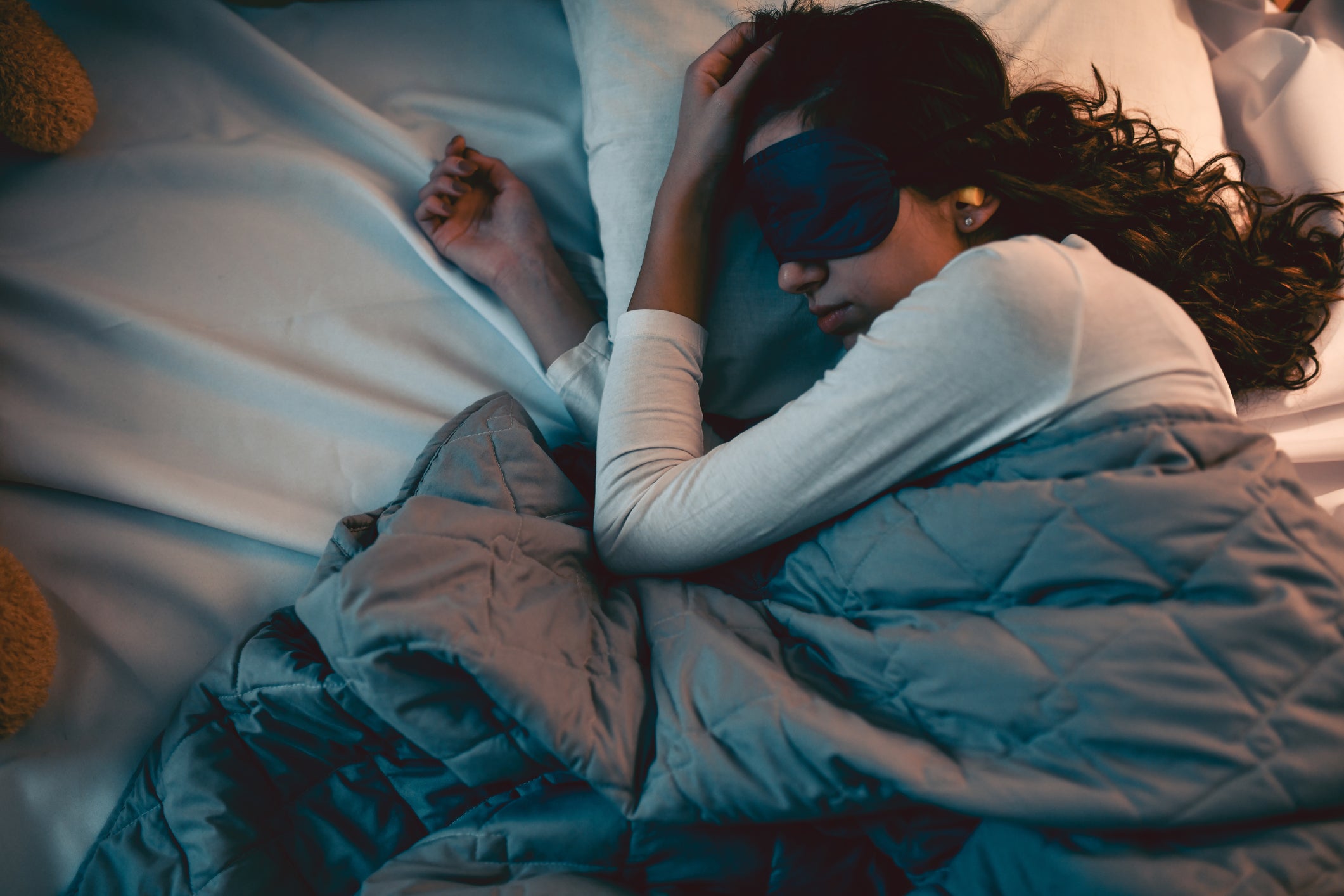
Image Credit: Getty Stock
In 2014, the American naturopath Alan Christianson first promoted the idea of a sleepcation as a tool for professional performance, so workers of the corporate world could reclaim their sleep.
Calling it essential in his book The Adrenal Reset Diet (2014), his prescription included booking a hotel for three nights, lowering the blinds, avoiding stimulants, and letting yourself sleep day and night until fresh.
According to Tracy Hannigan, Insomnia Therapist at Tracy The Sleep Coach, a sleepcation is 'a vacation or holiday with no real plans other than sleeping in.'
She said, per Vice: “This could be done at home (like a ‘staycation’), but often these sleepcations are away, so the person doesn’t have to manage household affairs and can focus entirely on getting some rest."
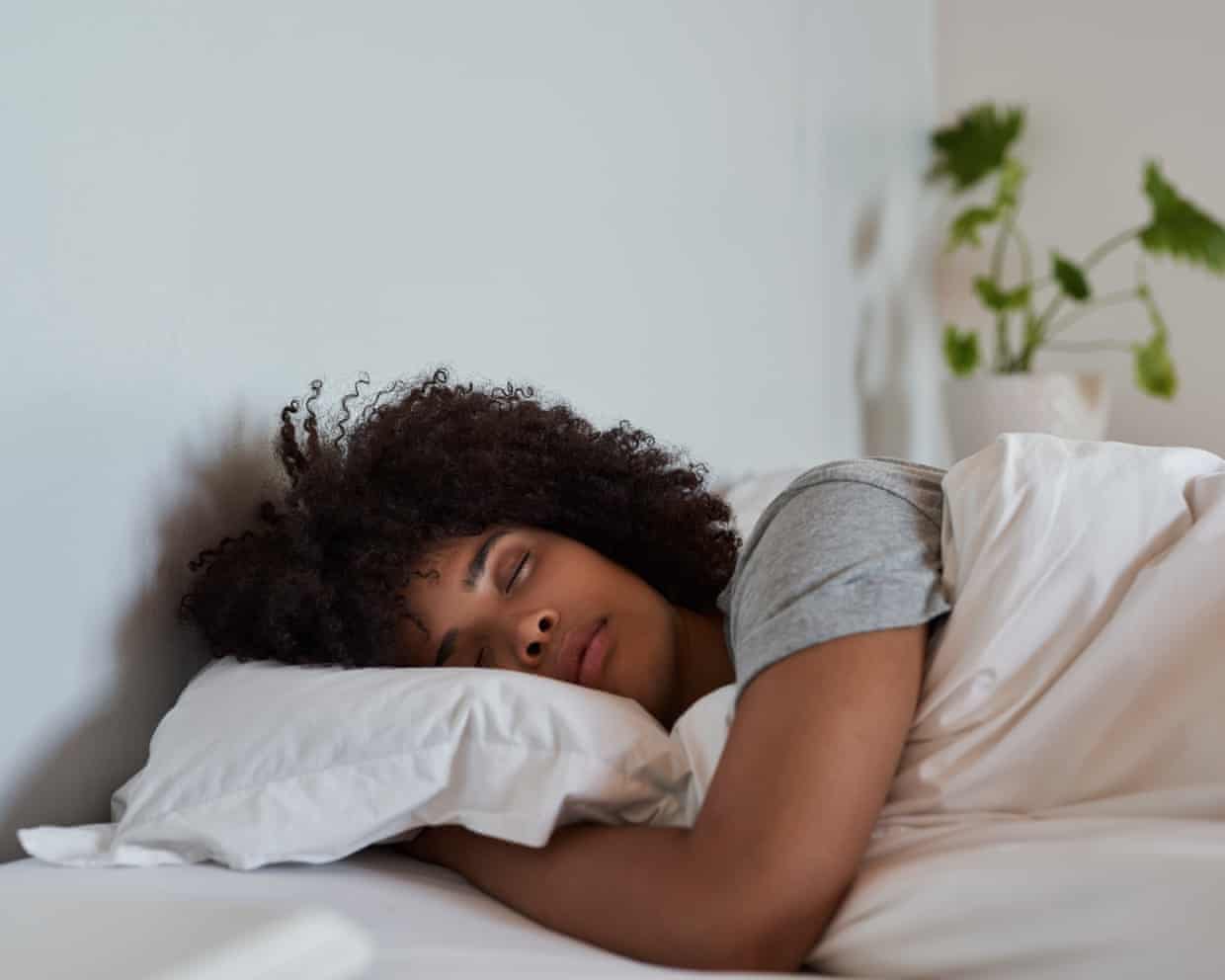
Tracy Hannigan said it could reinforce a bad habit (Getty Stock Images)
But while this seems like an obvious solution to catching up on lost sleep, she said it's not the right way for some.
“For good sleepers, [sleepcations] can reduce the burden of external responsibility and allow more time and space for sleep,” argues Hannigan. “If someone has not had sufficient sleep, this can be enjoyable and useful. Arguably, finding ways to prioritize sleep without needing to pay for a holiday is a longer-term ideal solution, but in the short term, some rest and catch-up on sleep debt can be helpful for otherwise good sleepers.”
But for those with sleep issues like insomnia, she said this could reinforce their preference for sleeping away from home – making it harder to fall asleep in their own bed.
She said: “If a person with insomnia sleeps better when they are away from home and leans into going away regularly to get better sleep, this can actually worsen the sleeping problem at home. It may feel good in the short term, but the issues contributing to ongoing poor sleep at home never get addressed properly or resolved because of the ‘escape’ to the sleepcation.”
Sleep deprivation has been linked to changes in appetite and weight gain, but researchers say this could happen in just six weeks
Getting just an hour and a half less sleep a night for a few weeks could cause weight gain, a study has suggested.
Most adults need between seven and nine hours of sleep a night to stay healthy, but one in five adults in the UK aren’t getting enough sleep, and about a quarter are living with obesity.
Sleep deprivation has long been linked to changes in appetite, causing overeating and weight gain as a result, but a new study has suggested this can happen surprisingly quickly.
A study by researchers at Columbia University found getting insufficient sleep, even for just six weeks, is enough to make someone put on weight.
Marie-Pierre St-Onge, professor of nutritional medicine in the university’s department of medicine, said: “Getting adequate sleep may help reduce the risk of weight gain and obesity-related conditions like heart disease and diabetes.”
One in five adults in the UK aren’t getting enough sleep and it could be impacting their weight (Getty/iStock)
For the study, published in the journal Annals of Internal Medicine, 95 adults who usually get the recommended seven to eight hours of sleep a night were instructed to delay their sleep by 90 minutes for six weeks. They then slept at their usual time for another six weeks.
Their sleep and activity levels were measured throughout each phase with a wrist monitor, along with changes in body weight, waist circumference, body composition, and fasting levels of several hormones known to increase or suppress appetite.
Researchers found participants gained an average of 1lb over the six weeks with less sleep. They also spent about 20 more minutes sedentary than usual.
"While the one-pound weight gain observed with modest sleep curtailment is not overwhelming, it is important to remember this is occurring over just six weeks."
Faris Zuraikat, assistant professor of nutritional medicine in Columbia University’s department of medicine, said: “Our study was designed to mimic sleep patterns that most adults experience chronically. When extrapolated to a full year, we would expect that losing less than an hour and a half of sleep per night could result in clinically meaningful weight gain.”
According to scientists, not getting enough sleep is associated with higher levels of the hormone ghrelin, which increases appetite. This, in addition to feeling more tired and so less likely to exercise, can contribute to weight gain.
Naveed Sattar, professor of metabolic medicine at the University of Glasgow, who was not involved in the study, said: “Sleep is a critical part of a healthy lifestyle. When we do not get enough sleep, the hormones that regulate appetite become disrupted, making us feel hungrier and increasing the likelihood of overeating. Tiredness can also reduce physical activity, meaning we burn fewer calories during the day. In addition, being awake for longer simply provides more opportunities to eat.”
Alex Miras, professor of medicine at Ulster University, also explained a lack of sleep can impact the pancreas – but so can getting too much sleep.
He told The Independent: “A lack of sleep increases the levels of inflammation and insulin resistance around the body. The pancreas has to then work harder to bring the blood sugars down by increasing the amount of insulin it produces. This can also cause either weight gain or worse metabolic health. On the other extreme, too much sleep is also associated with worse metabolism.”
Poor sleep may be contributing to the rising number of cancer cases among people under the age of 50, according to findings from two large studies presented at the American Society of Clinical Oncology.
The research suggests that irregular sleep patterns could be linked to a higher risk of developing early-onset cancers, including bowel, breast, uterine, and ovarian cancers. In some cases, individuals diagnosed with insomnia were found to be up to three times more likely to develop cancer within five years.
The findings add to growing global concern over the steady increase in cancer diagnoses among younger adults. Over the past three decades, early-onset cancer cases have risen by nearly 80 per cent worldwide, increasing from about 1.82 million in 1990 to 3.26 million in 2019.
Cancer-related deaths among people in their 40s, 30s, and younger have also increased by about 27 per cent over the same period, according to global cancer burden estimates cited in peer-reviewed oncology research, including BMJ Oncology publications.
The findings add to growing global concern over the steady increase in cancer diagnoses among younger adults. (Photo: Freepik)
Researchers analysed health data from more than 18 million adults aged between 18 and 50 drawn from long-term health records and insurance-linked medical databases, allowing researchers to compare sleep patterns, diagnoses of insomnia, and later cancer outcomes. They found that people with disrupted or consistently poor sleep patterns were more likely.
Individuals with a clinical diagnosis of insomnia showed a significantly elevated risk of developing cancer within five years following diagnosis. In some cases, the risk was reported to be up to three times higher compared with individuals without recorded sleep disorders.
Researchers said the results point to sleep disruption as a potentially important and modifiable factor in understanding early-onset cancer risk, although they emphasised that the findings do not prove causation.
“Sleep health is increasingly being examined as part of broader cancer prevention research, particularly as traditional risk factors alone do not fully explain the rising incidence of cancer in younger populations,” the researchers said.
According to researchers, they argued that sleep disruption could be integrated into future risk assessment models if further studies confirm the association.
Experts caution, however, that the relationship between poor sleep and cancer is complex. While sleep plays a key role in immune regulation, hormone balance, and cellular repair processes, current evidence does not confirm that insomnia directly causes cancer. Instead, researchers suggest that multiple overlapping pathways may be involved.
One possible explanation is biological. Chronic sleep disruption has been linked to impaired immune function, increased inflammation, and hormonal changes, all of which may influence how the body detects and responds to abnormal cell growth.
Sleep is also essential for processes such as DNA repair and metabolic regulation, which are important in preventing the development of malignant cells.
However, experts also point to behavioural factors that may confound the association. People experiencing long-term poor sleep are more likely to adopt unhealthy lifestyle patterns, including reduced physical activity, higher alcohol consumption, increased smoking rates, poor diet, and weight gain.
These factors are independently associated with a higher risk of several cancers, making it difficult to separate the direct effects of sleep from broader lifestyle influences.
There is also the possibility of reverse causation. Some researchers suggest that early, undiagnosed cancer may itself affect sleep quality through hormonal changes, pain, inflammation, or psychological stress. This means that in some cases, poor sleep could be an early symptom rather than a cause of cancer, further complicating the interpretation of the findings.
A health specialist commenting on the studies noted that the impact of insomnia on long-term disease risk is an emerging area of interest in public health research. The specialist emphasised that while the association is noteworthy, it should not be interpreted as evidence that sleep disturbance directly leads to cancer, but rather as an area requiring deeper investigation through long-term cohort studies.
Another public health expert from a leading cancer research organisation said the studies explore a potential link between insomnia and certain cancers in younger adults, but stressed that more long-term evidence is needed before firm conclusions can be made.
The expert added that population-based studies following individuals over longer periods would help clarify whether sleep disruption is a true risk factor or a correlated condition.
Cancer specialists continue to emphasise that established prevention strategies remain critical. These include avoiding tobacco use, maintaining a healthy body weight, engaging in regular physical activity, moderating alcohol consumption, and reducing excessive sun exposure. While sleep health is increasingly recognised as an important component of overall well-being, it is not yet included among established causal risk factors for cancer.
We’re told that sleep is a superpower, making us smarter, healthier and happier. But how much is enough? And is insomnia as bad for us as we think?
"Once, after I did a presentation, someone came up to me and said, ‘I don’t get eight hours of sleep a night. Am I going to die?’” says Prof Russell Foster, head of theSleepand Circadian Neuroscience Institute at the University of Oxford. “And I said, ‘Well, yes, you’re going to die. But, you know, we all die eventually.’”
This exchange is, hopefully, comforting, but it also shouldn’t be too surprising. Over the past decade or so, we’ve been repeatedly told that sleep is everything from a legal performance-enhancer to an actual superpower – and, conversely, that if we don’t get enough shuteye we’re risking anearly start to our eternal slumber. But how bad is a lack of sleep, really? And if weseemto be coping fine on six hours a night, is there a chance we’re still setting ourselves up for problems further down the line?
To start with the bad news: yes, being chronically sleep deprived is pretty bad for us. One sobering and relatively recent discovery is the glymphatic system, a waste-clearance mechanism that flushes “misfolded” proteins like beta-amyloids (found in the brains of people with Alzheimer’s disease) from the brain during rest. Foster points to data showing that poor sleep during the middle years is a risk factor for dementia in later years, because the brain loses its ability to effectively clear these toxins. “There’s increasing evidence surrounding a lack of sleep’s association with cognitive decline later in life,” says Prof Guy Leschziner, a consultant neurologist who specialises in sleep disorders. “But it’s also associated with increased risk of cardiovascular disease and stroke. We also know that it impacts a range of other physiological processes, like your immune system, your respiratory system and so on. It even influences how your brain processes pain signals, and makes you more vulnerable to them. Every single system is influenced by sleep in some way.”
It’s important to prioritise sleep.Photograph: Mavocado/Getty Images
The good news? Just because you aren’t getting the commonly recommended seven to eight hours doesn’t necessarily mean you’re at risk. Those numbers are typically based on studies from the UK Biobank, a long-term biomedical database that follows the lives of half a million volunteers to investigate how genetics, lifestyle and environment intersect to cause disease – but that doesn’t mean they’re perfect. “I’m a huge fan of the Biobank, but sometimes it’s difficult to unpick sleep from other causes – like the fatigue caused by other illnesses,” says Foster. “With something like sleep, you can’t just slap an average on it and say that’s what everyone should get.”
So howdoyou know if you’re getting enough sleep for your health? Perhaps surprisingly, the best marker is whether you feel OK on the amount you get. “There are some people who need shorter sleep than others in order to maintain the same level of cognitive, psychological and physiological health, and then there are others who are genetically long sleepers who need much more,” says Leschziner. “If someone’s only sleeping for six hours a night but they’re not tired, they don’t have any cognitive symptoms, and, when given the opportunity to sleep more, they don’t, then that’s a good indicator that you have an underlying genetic short sleep time.”
A bad indicator is that you’re irritable, feeling flat, or over-reliant on caffeine, says Foster. “There’s some really beautiful data on the fact that the tired brain has a tendency to remember negative experiences, but forget positive ones,” he says. “So if you find that you’re depressed and you’re taking a sort of a negative view of the world, that might be an indication you’re not getting one of the most important things for your health. It’s also important to listen to friends, family and colleagues about the way you’re behaving – and of course, if you’re tired and irritable, you’re going to be less inclined to do that. If you’re drinking excess caffeine to fuel the day, that’s really important – especially if you’re delaying sleep onset by drinking it into the afternoon and then using alcohol as a sedative, because sedation isn’t as restorative as real sleep.”
This might be a good time to clarify that insomnia, or being unable to sleep despite wanting to, is a different physiological condition from chronic sleep deprivation, or what happens when you’re burning the candle at both ends.
“The easiest way to see the difference is that if you take somebody who is sleep deprived and you give them a bed during the day, they will fall asleep, whereas people with insomnia won’t,” says Leschziner. “We also know that insomnia and being sleep deprived can have very different impacts on general health. Chronic sleep deprivation is not very good for a range of aspects of your health, whereas for most people with insomnia, a lot of the long-term health effects we associate it with are not necessarily applicable.”
One reason for this is that when researchers track the sleep of people with insomnia, their sleep typically isn’t as short as they think – this is because of a phenomenon called sleep state misperception, where people perceive themselves to have been awake when they’ve actually been asleep. “For the majority of individuals who complain of insomnia, their total sleep time, when we measure it based on their brainwaves, is not that much shorter than the average person,” says Leschziner. “And so while these individuals feel sleep deprived, in most cases they’re not at that much risk of some of the harms that are associated with sleep deprivation.”
This brings us to the shorter term. Here, the news is slightly better – though you should still aim to get to bed early rather than burn the midnight oil. “The current thinking is that memory consolidation seems to happen during slow-wave, or NREM sleep, which dominates the early part of the night – REM sleep is much more about emotional processing,” says Foster. It’s also a good idea to focus on sleep if you’re working on a difficult problem: in a landmark study published in the journal Nature, volunteers working on a complex mathematical task were able to solve it about 60% of the time after a good night’s sleep – compared with groups that remained awake during the day or were sleep deprived at night, who saw a 20% success rate. “Those results tell you that sleep is enormously important for coming up with novel solutions to difficult problems,” says Foster. “It’s really not an indulgence.”
Difficult tasks are easier to complete after a good night’s sleep. Photograph: PeopleImages/Getty Images
“To have a single bad night’s sleep is something that we’ve evolved to do every so often, and the brain has an enormous capacity to compensate for it,” says Leschziner. “Now, obviously, our vigilance declines, and it is a physiologically stressful experience. You might be stressed and more irritable, but in the greater scheme of things, it’s not going to make a huge amount of difference to our health.”
Can you catch up over the weekend? “If you’re oversleeping when you don’t set an alarm, that’s a key sign that you need more sleep, and catch-up sleep is certainly helpful – there’s no question about that,” says Foster. “But it has the downside that if you sleep through the morning light, you’ve lost a key signal that is stabilising your internal clock, which means you’re likely to drift into later sleep patterns.”
Apart from making it more difficult to get up on Monday morning, this tends to destabilise your circadian rhythms. In the short term, it doesn’t really matter what time you get up – but if you do it repeatedly over a long period of time it can come with health consequences. In shift workers, the problem gets worse – if sleep gets destabilised then activating the body’s stress response can be the best way to stay awake, but that can come at the expense of the body’s other systems. “It’s a bit like the gears of an engine,” says Foster. “First gear can be fantastic – it gives you that acceleration you need – but if you keep your engine there you’ll ruin it. In the same way, constantly elevating the stress response means you’re going to have a suppressed immune system.”
One clear takeaway is to try not to overstress about a single night’s bad sleep: even if it leads to a couple more nights of tossing and turning, it’s unlikely to do you much lasting damage. But what about when we’re being deprived of sleep for the slightly longer term – like in the months after we welcome a baby into the house?
“This is a question I’m often asked,” says Leschziner. “And the honest answer is we don’t know, but what we do know is that parenthood is associated with longevity and with better cognitive health later on in life – so it seems that if there is a neurological harm attributable to the sleep deprivation of parenthood, then it’s typically offset by other benefits that parenthood provides. One of the theories as to why that might be the case is because having children enriches our cognitive world and increases our cognitive reserve: and so parenthood might actually be protective of brain health.”
Parenthood is associated with longevity, although it might not seem like it with a newborn. Photograph: Westend61/Getty Images
Really, the best advice is to prioritise sleep: recognise that it’s important, make sure you’re setting enough time aside to get as much as you need to feel well rested, and make the most adjustments you can to your current sleep environment. “If I only did one thing, it would be invest in proper blackout curtains,” says Leschziner. “And if you live in a noisy environment, then consider comfortable earplugs that are designed for sleeping in.”
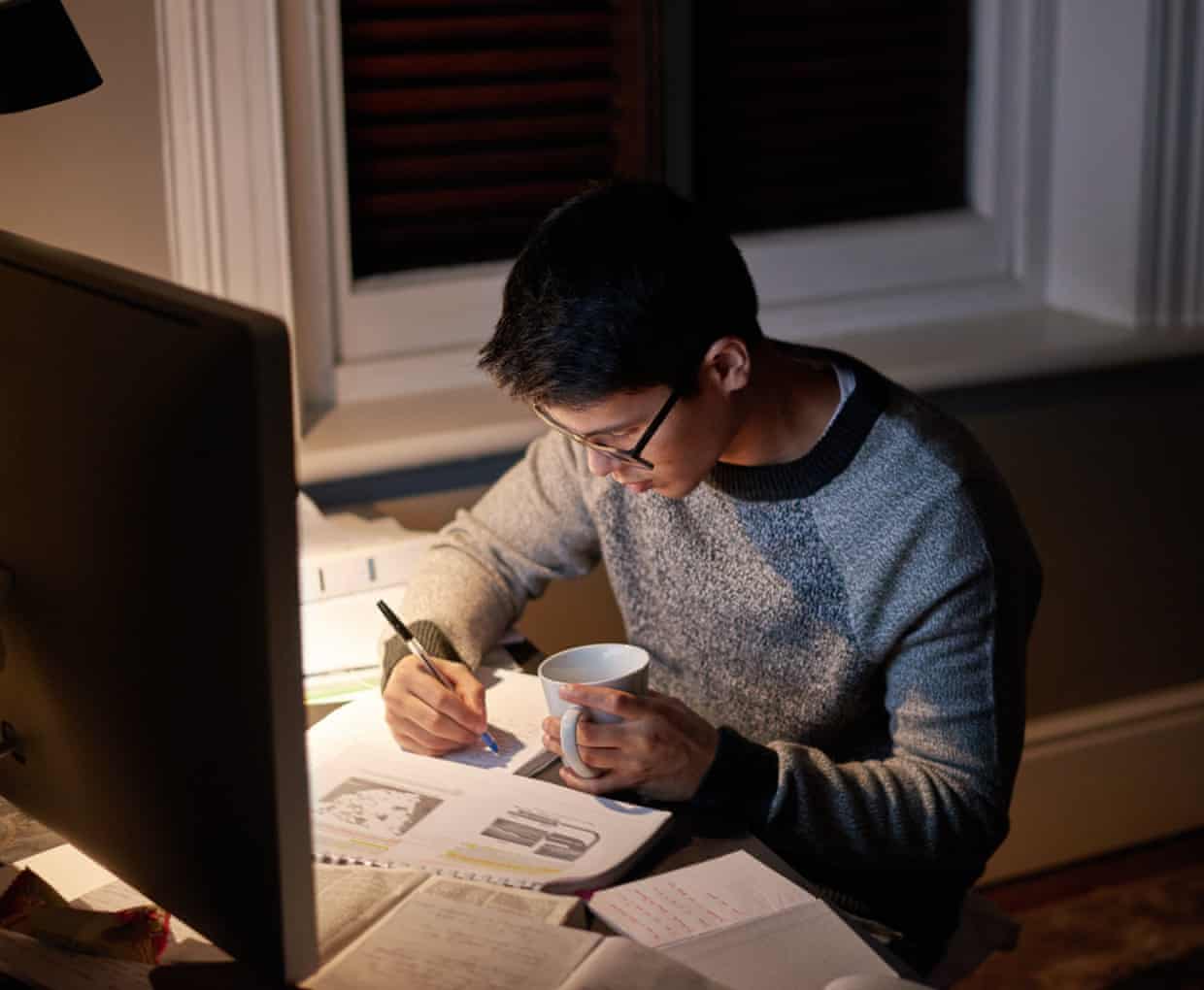
Finally, there’s at least one good reason to stay up late, even if you shouldn’t make a habit of it. “What some people find is that they can access their executive mode network – which is the set of brain regions that keep us laser-focused – by working late at night, and just ploughing through a project,” says Foster. “So the occasional all-nighter, if you’re doing something that’s highly task-oriented, can be helpful. But don’t do it if you’ve got a difficult social interaction to deal with or you’re driving the next day.”
Sleep is a tranquil world hidden behind closed eyelids. It is a wonderful boon that allows us to forget the day’s toil and the anxieties that haunt the mind, preparing us for the promise of tomorrow. However, in the silence of the night, while most are lost in deep slumber, some fight a losing battle with time that refuses to move. When those sleepless hours pass heavily, a person loses more than just physical energy; they lose their mental equilibrium. When the turbulence of emotions drives sleep away, that very insomnia pushes the mind further into darkness. This is not merely a lack of rest for the eyes; it is a deprivation of the peace the soul requires.
Even when surrounded by loved ones or resting on a luxurious bed, sleep remains a natural response that must originate from within the brain. Insomnia isolates an individual. It creates an internal void, a fear of the unknown tomorrow, and a state where one loses patience over the smallest matters. These factors surround us like a dark cycle. Sleep is not just a time when the body shuts down; it is a moment when we practice self-love for our minds. Therefore, losing sleep means gradually losing our joy and enthusiasm. Only when we recognize sleep as a vital medicine can we return to a state of complete mental health with a smile.
The Heavy Mornings of Today’s Youth
For the current generation of young people, the primary reason for the distance from sleep is a lifestyle inextricably linked with technology. Smartphones, social media, and Over-the-Top (OTT) platforms have imprisoned the youth in a virtual world. Hours spent scrolling through reels or binge-watching web series cause time to slip away unnoticed. The "blue light" emitted from mobile screens deceives our brains into believing it is still daylight. Consequently, the production of melatonin , the hormone that induces sleep, decreases. Even if the eyes are exhausted, the brain remains alert. This phenomenon is now widely recognized as "Digital Insomnia."
Another major contributor is "Revenge Bedtime Procrastination." Young people, who find no personal time during the day due to the pressures of studies, jobs, or household chores, sacrifice their sleep for a sense of "freedom." They utilize the quiet hours after everyone else has gone to bed for activities they enjoy, chatting, gaming, or simply thinking. Over time, this reduction in sleep becomes a chronic habit. Compounding this is FOMO (Fear Of Missing Out) ; the anxiety that they might miss a new update on social media keeps them in a state of constant alertness.
The career and educational pressures created by today’s competitive world are also eroding sleep. Overthinking the future, fear of exams, or looming office deadlines increase anxiety among the youth. Due to this mental stress, even when they reach the bed, the brain is unable to rest. Furthermore, changing dietary habits, specifically the consumption of high-caffeine beverages like coffee and energy drinks late at night or late-night binging on junk food, are completely disrupting the body’s internal biological clock, known as the circadian rhythm .
Finally, social and physical changes are impacting the sleep of young people. Staying up late on weekends and sleeping in during the day causes a lack of sleep on Sunday nights, leading to severe fatigue on Monday mornings. These undisciplined sleep schedules damage the brain's "sleep fuel." Insomnia causes more than just tiredness; it leads to irritability, lack of concentration, obesity, and severe mental health issues like depression at an early age.
Insomnia vs. Sleep Deprivation
As Dr. Lauren Waterman explains, there is a significant distinction between these two terms. "Sleep deprivation" occurs when outside circumstances, such as a crying baby or loud noises, prevent you from sleeping even though your brain is ready and willing. This is dangerous for physical health and heart longevity.
In contrast, "insomnia" is a change occurring inside the human brain. Here, despite having the opportunity to sleep, internal systems keep the individual awake. Interestingly, the brains of those with chronic insomnia often adapt to condense high-quality sleep into a shorter duration.
The Science of Sleep Cycles
During sleep, we actually wake up approximately 10 to 15 times every hour. This is an evolutionary trait dating back to our ancestors. While sleeping in caves or forests, the brain performed these micro-wakes to sense danger. These brief moments of alertness are also why we don't fall out of bed. Healthy sleepers do not remember these instances, but those suffering from insomnia notice every tiny micro-wake and begin to worry: "I can’t get back to sleep." This very anxiety acts as a stimulant, keeping them awake further.
Melatonin: The Light-Sensitive Hormone
Melatonin is a hormone naturally released by the brain as darkness falls. It signals the body that it is time to rest. However, in the modern era, the blue light from phones and computers obstructs this production.
Caution is particularly necessary regarding melatonin supplements . They are extremely sensitive to light. If exposed to light, they can become deactivated and lose their efficacy. Melatonin is only truly effective when kept in airtight, light-resistant foil packets. Otherwise, the tablets you consume may essentially be "empty" or inactive.
In India, the market for melatonin is expanding rapidly due to the rise in IT jobs and smartphone usage. It is also used under medical supervision for children with conditions like Autism to help regulate sleep. By 2026, it is expected to be even more widely available in pharmacies and online platforms like Apollo or Amazon in the form of gummies and tablets.
Warnings:
Pregnant women, individuals with diabetes, or those taking blood pressure medication should never consume melatonin without a doctor's advice. Recent studies warn that long-term use (over a year) may be linked to cardiovascular issues. It is best to choose supplements in foil packaging rather than clear bottles.
Pavlov's Theory and the Bedroom
Scientifically, a process called "Classical Conditioning" governs our sleep. Ideally, the moment you enter the bedroom, you should feel sleepy. However, for insomniacs, using the bed for work, phone scrolling, or arguments conditions the brain to view the bedroom as a place of "alertness."
This explains why someone might feel sleepy on the sofa but becomes wide awake the moment they hit the bed. By restricting the bedroom strictly to sleep, we can "reprogram" the brain to associate the bed with rest once again.
Tiredness vs. Sleepiness
Many confuse these two states. "Tiredness" (Fatigue) means having no energy or motivation to do work. "Sleepiness," however, means your eyes are closing and you are on the verge of nodding off.
Insomniacs often feel tired all day, but they do not feel "sleepy." This is because a chemical in the brain called orexin may be too active, keeping the brain in a state of hyper-arousal. This is famously termed as being "Tired but Wired."
The 15-Minute Golden Rule
If you have been in bed for 15 to 20 minutes and cannot fall asleep, do not force yourself to stay there. You should immediately get up, go to another room, and engage in a mundane activity, like reading a boring book. Return to bed only when you feel genuinely "sleepy." This prevents the habit of lying in bed for hours in distress and helps break the association between the bedroom and wakefulness.
Sleep Fuel: The Energy for Rest
From the moment we wake up in the morning, the brain begins to accumulate a chemical often referred to as "Sleep Fuel" (Adenosine). The more this fuel builds up, the faster we fall asleep at night.
Napping during the day "burns" this fuel, leaving an insufficient amount for the night. Additionally, waking up at the same time every morning is crucial for setting our internal "Body Clock." Sleeping in on Sundays makes it difficult for the fuel to accumulate properly for Sunday night, leading to the dreaded "Monday Morning Blues."
CBT-I: The Real Cure for Insomnia
While many resort to sleeping pills, these are merely temporary fixes. Cognitive Behavioural Therapy for Insomnia (CBT-I) is a permanent solution. It removes the fears associated with sleep and "re-programs" the brain. Through techniques like sleep compression and disciplined habits, one can regain the ability to sleep without medication. This therapy also significantly helps in reducing symptoms of mental health issues like depression.
When to Consult a Professional?
If sleep problems persist for more than three months and interfere with your daily life, you must consult a specialist. Identifying and correcting insomnia triggered by minor stress in its early stages prevents it from becoming"Chronic Insomnia."Sleep is not merely rest; it is a vital process that "cleanses" our brain. Therefore, it is everyone's responsibility to prioritize sleep and live a healthy life through disciplined habits.