Showing posts with label gut health. Show all posts

Monday, 13 July 2026

These overlooked insomnia causes may be why you still can't sleep

From msn.com/en-us
Key takeaways
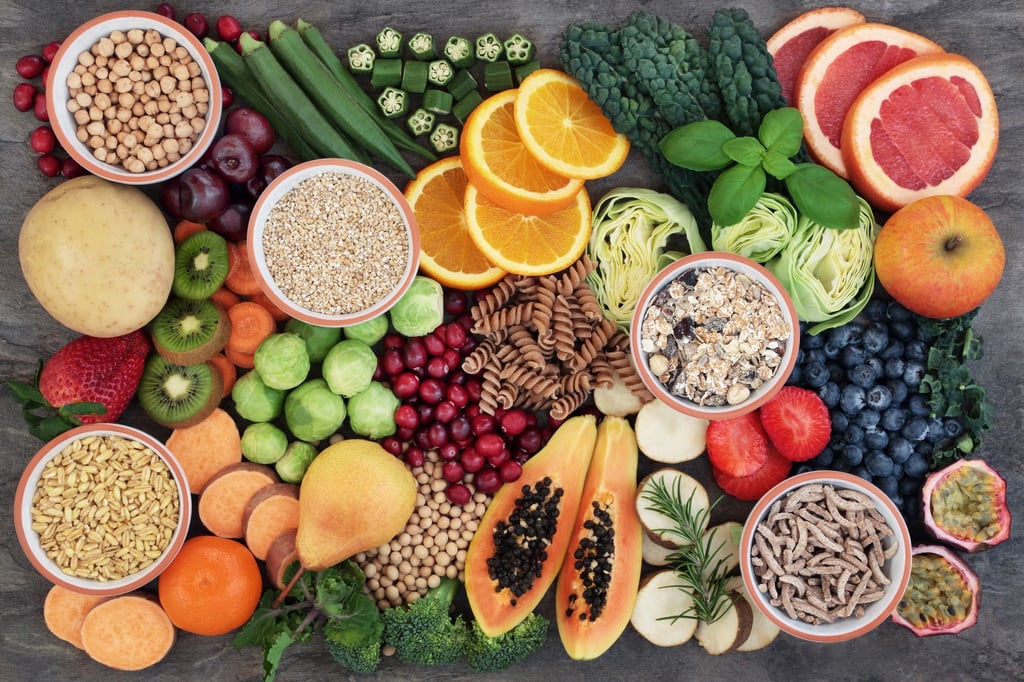
  • Gut Health Matters: Low gut microbiome diversity is linked to poor sleep, later chronotypes, and social jet lag. Boost diversity with fibre-rich foods like legumes, oats, leafy greens, yogurt, kimchi, or kefir.
  • Social Jet Lag: Large differences between weekday and weekend sleep schedules disrupt your body clock and gut health. Keep wake times within a 1-hour window and adjust gradually if needed.
  • Body Temperature Tricks: Warming your body before bed (e.g., warm bath 90 min prior) helps trigger natural sleep cues. Keep your bedroom cool and consider a fan or cooling pad for deeper restorative sleep.

If you've already tried cutting caffeine, ditching your phone before bed and counting breaths until you pass out, and you're still lying awake at 2 a.m., the problem probably isn't your willpower.

Researchers are finding that some of the biggest overlooked causes of insomnia hide in places most sleep advice never goes: your gut bacteria, the gap between your weekday and weekend sleep schedules and even how warm your body gets before bed. Here's what the science says and what's actually worth trying tonight.

Why Your Gut Bacteria May Be Wrecking Your Sleep

The freshest insomnia research right now isn't about blue light or relaxation apps. It's about microbes. A February 2026 study in Nature Communications analysed 6,941 participants and found that lower gut microbiome diversity was directly linked to poorer sleep quality, a later chronotype and greater social jet lag.

Researchers identified 137 bacterial species tied to sleep, and more than a third of those associations held up in an independent cohort.

What to try: A fibre-rich diet is the most direct lever you have on gut diversity. Think legumes, oats, leafy greens and fermented foods like yogurt, kimchi or kefir. Food sources tend to be more effective than supplements and you don't need to overhaul your entire diet. Start with one meaningful addition per week.

What Social Jet Lag Is Doing to You Every Single Weekend

Think of social jet lag as the jet lag you give yourself on repeat. Stay up until 1 a.m. Saturday, sleep until 10, then try to be in bed by 10:30 Sunday for a 6 a.m. alarm? You've flown yourself several time zones without leaving your bedroom.

The same Nature Communications study found that this kind of weekly schedule shifting drives measurable changes in gut microbiome composition, compounding the sleep disruption. A September 2025 review in Medicina confirmed it also promotes systemic inflammation.

What to try: Keep your wake time within a consistent one-hour window across the whole week. The wake time anchor is what matters most to your body clock. If you've been sleeping in two or more hours on weekends, bring it back gradually by 20 to 30 minutes at a time.

The Hot Bath Trick That Sleep Researchers Are Actually Testing

A UCSF-led randomized trial (ClinicalTrials.gov NCT07036705, updated February 2026) is currently testing passive body heating via sauna blanket alongside CBT-I. The mechanism: warming your body before bed raises skin temperature, which then triggers your core temperature to drop, which is the physiological cue your brain reads as permission to sleep. A Scientific Reports study of 72 participants found that external body cooling during sleep significantly increased slow-wave N3 sleep, the deepest restorative stage.

What to try tonight: Take a warm bath or shower about 90 minutes before bed, not right before. You need the post-bath temperature drop to kick in before you get into bed. Keep your bedroom cool and if you sleep hot, a fan or cooling mattress pad can shift how deeply you sleep.

When Your Sleep Tracker Is Actually the Problem

Northwestern University researchers coined the term "orthosomnia" for insomnia triggered by fixating on tracker data. In their research, patients were losing sleep specifically because they were anxious about hitting perfect scores on devices like Oura and Whoop.

What to try: Give yourself a two-week tracker break and notice whether your sleep anxiety shifts. If you keep using it, check weekly trends rather than nightly scores. Night-to-night variation is normal and often meaningless. The pattern over weeks is what matters.

Why CBT-I Should Be Your First Call Before Medication

For chronic insomnia, cognitive behavioural therapy for insomnia is the clinical first-line recommendation ahead of sleeping pills. It targets the thought patterns and behaviours that sustain sleeplessness. Roughly half of people who complete it still have some residual symptoms, per the UCSF trial documentation, which is why researchers are now testing body-based add-ons on top of it.

What to try: Look into a structured digital CBT-I program before assuming you need a prescription. Several telehealth platforms now offer clinically validated versions that are far more accessible than in-person therapy.

Insomnia is rarely just a discipline problem. It's biological, which means it's more fixable than most people assume. For anyone also exploring the breathing side of better sleep, what research says about the 4-7-8 method is worth a read alongside everything here.

https://www.msn.com/en-us/health/other/these-overlooked-insomnia-causes-may-be-why-you-still-can-t-sleep/ar-AA2496Fz?uxmode=ruby

Wednesday, 27 May 2026

Meet the 3 Overlooked Insomnia Triggers That Most Sleep Guides Still Fail to Mention in 2026

From sacbee.com

Insomnia research has moved well beyond caffeine and screen time. The newest findings point to causes most sleep guides still ignore, from the bacteria in your gut to the temperature of your bedroom to the sleep score you’re checking every morning. Here’s what the research says is really keeping you up. 

What Are the Most Overlooked Causes of Insomnia? 

The three most underappreciated drivers of insomnia right now are gut microbiome disruption, social jet lag and poor body temperature regulation before and during sleep.

A February 2026 study in Nature Communications of 6,941 participants found that lower gut microbiome diversity was directly linked to poorer sleep quality, a later chronotype and greater social jet lag, connecting 137 bacterial species to specific sleep characteristics. 

Body temperature regulation is equally underappreciated. Core body temperature needs to drop to initiate sleep, and small disruptions to that process can stall onset or fragment deep sleep entirely. Understanding how pre-sleep breathing techniques connect to sleep onset adds useful context alongside these newer findings. 

Then there’s orthosomnia, coined by Northwestern University researchers to describe insomnia triggered by fixating on sleep tracker data. Patients were losing sleep because their wearable’s score was making them anxious. The tool meant to fix sleep was breaking it. 

How Does Gut Health Affect Insomnia? 

Gut health affects insomnia through a two-way communication loop between your microbiome and your brain. When that ecosystem is disrupted, sleep suffers.

The Nature Communications study found that participants with less diverse microbiomes consistently slept worse. A September 2025 review in Medicina explains why: the gut produces short-chain fatty acids that regulate inflammation and nervous system pathways tied to sleep. When that production drops, systemic inflammation rises and sleep quality falls with it. 

Poor sleep also degrades the microbiome, which then makes sleep worse. Breaking the cycle means addressing both ends. Varied plant intake, fermented foods like yogurt and kimchi and consistent eating patterns are the most accessible starting points. 

What Is Social Jet Lag and Can It Cause Insomnia? 

Social jet lag is the mismatch between your weekday and weekend sleep schedule, and it functions like flying across time zones every single week. Shift from a 6 a.m. weekday alarm to sleeping until 10 a.m. on weekends, and your circadian system never fully settles — which makes Sunday-night insomnia and Monday-morning fatigue almost inevitable.

The Nature Communications study tied social jet lag directly to gut microbiome disruption. The Medicina review found it suppresses short-chain fatty acid production and promotes systemic inflammation, both of which feed back into worse sleep. 

To measure yours, calculate the midpoint of your sleep on a typical workday versus a free day. A difference of an hour or more is measurable social jet lag. Keeping your wake time within about an hour across all seven days, including weekends, is the most effective fix available. 

Can a Hot Bath Actually Help You Sleep? 

Yes. Warming your body raises skin temperature, which triggers a compensatory drop in core body temperature. That drop is one of the strongest physiological cues your brain uses to initiate sleep. 

A UCSF-led randomized trial updated February 2026 is testing passive body heating via sauna blanket as an add-on to CBT-I, specifically because roughly half of people who complete CBT-I still experience residual symptoms. A Scientific Reports study of 72 participants found that external body cooling during sleep significantly increased slow-wave N3 sleep, the deepest restorative stage.

A warm bath about 90 minutes before bed is the most practical version of this. Keep your bedroom cool overnight to reinforce the effect. 

Can Your Sleep Tracker Be Making Insomnia Worse? 

It can. Northwestern University researchers coined “orthosomnia” to describe insomnia driven by anxiety over tracker data. Patients were losing sleep specifically because they were fixating on nightly scores from devices like Oura and Whoop, turning a wellness tool into a source of performance anxiety. 

The fix isn’t to throw the tracker away. It’s to check weekly trends rather than nightly scores, where normal variation becomes far less alarming. If your sleep score is the first thing you reach for every morning and it’s shaping your mood, a two-week tracker break is worth trying before anything else. 

Is CBT-I the Best Treatment for Chronic Insomnia? 

CBT-I is the first-line clinical recommendation for chronic insomnia ahead of sleeping pills, and its effects tend to last well after treatment ends. It works by retraining the thoughts and behaviours that sustain sleeplessness rather than chemically sedating the problem away.

That said, roughly half of CBT-I completers still have residual symptoms per the UCSF trial documentation, which is why researchers are testing body-based additions like passive heating alongside it. Digital and telehealth CBT-I programs have made access significantly easier in recent years and are a practical starting point before escalating to medication. 

This article was created by content specialists using various tools, including AI.

https://www.sacbee.com/entertainment/living/article315892589.html

Thursday, 14 August 2025

Scientists are rethinking the cause of insomnia. Here's why

From sciencefocus.com/news

The cause of your sleepless nights may not be where you think 

Your gut microbes could be causing your insomnia, according to a new study from China. And the reverse is also true: your sleep habits could also impact your gut health.

Previous research has already suggested that sleep habits and gut health could be interlinked, but a recent analysis published in the journal General Psychiatry indicates that the link might be causal – meaning your sleep might directly influence your gut, and vice versa.

                                                                                                     Credit: Andrii Lysenko via Getty


First author Dr Shi Shangyun, from the Affiliated Brain Hospital of Nanjing Medical University, in China, told BBC Science Focus that this research had the potential to “reshape understanding of insomnia and inspire interest in microbiome-based research and interventions.”

In the future, it's possible that insomnia could be treated via the gut with probiotics (such as yoghurt or sauerkraut), prebiotics (sources of fibre) or faecal transplants, the researchers wrote.

“Additionally, the gut microbiome may serve as a biomarker to track how well these treatments work, enabling more personalised care,” said Shangyun.

The scientists used a statistical technique called Mendelian randomisation analysis (which uses genetic information to understand cause and effect) to investigate the link between insomnia and the gut microbiome.

They found certain genes they knew to be linked to insomnia, and calculated whether people with those genes were also more likely to have certain gut microbes.

And then they did the same in reverse, examining whether people with certain gut microbes were more or less likely to have insomnia.

To do this, the scientists used data from 387,000 people with insomnia, and gut microbiome data from 26,500 people. All the data was from Europeans, which means these results may not be relevant for everyone.

An illustration of gut bacteria in the intestines
The gut microbiome is the community of bacteria and yeasts that live inside the digestive system, and their environment - Credit: THOM LEACH / SCIENCE PHOTO LIBRARY via Getty

The scientists’ analysis suggested that 41 types of gut bacteria were likely to cause insomnia, at least partially.

But Shangyun said that some microbes were more significant than others. In particular, 14 groups of bacteria were found to be associated with a higher likelihood of insomnia, and eight groups with lower odds of insomnia.

In the other direction, the scientists found that insomnia was linked with a reduction (of between 43–79 per cent) of seven groups of bacteria.

Insomnia was also associated with a 65 per cent chance that 12 groups of bacteria were four times more abundant in the gut.

One class of bacteria – called Odoribacter – was particularly closely associated with insomnia risk. Odoribacter is a type of gut bacteria generally associated with better gut health.

All in all, the study uncovered a vicious cycle. A variety of gut bacteria might be causing insomnia, but poor sleep might also contribute towards a different gut microbiome.

Shangyun added that further studies were needed before doctors can prescribe gut health strategies to help their patients sleep better.

https://www.sciencefocus.com/news/ruining-sleep-insomnia-gut-microbiome-bacteria

Monday, 16 September 2024

Acne, eczema and insomnia can signal poor gut health; here’s how to safeguard yours

From scmp.com 

An unbalanced gut microbiome is linked to diabetes and more. Digestive issues are obvious red flags, but there are others you may not expect

Gut health is very important.

Our digestive system is not just responsible for breaking down food and absorbing the nutrients that support our bodily functions, but is also home to trillions of “good” and “bad” bacteria collectively known as the gut microbiome.

This microbiome plays several key roles, according to Singapore-based gastroenterologist Dr Andrea Rajnakova.

It directly defends against pathogens and helps maintain our intestinal lining. It also prompts antibody production to support our immune system, produces K and B vitamins including biotin and folate, and helps with weight regulation and communication between the gut and the brain.

Good gut health is achieved when there is a balance between good and bad bacteria. There are several factors that may upset this balance, including environmental factors, antibiotic use, and consuming sugary soft drinks and high-fat, processed and fast foods.

An unbalanced gut microbiome is associated with medical conditions ranging from type 2 diabetes and high cholesterol to heart disease and inflammatory bowel syndrome, Rajnakova says.
An unhealthy diet of processed and fast foods is also closely linked to gut inflammation, a problem that is thought to be associated with leaky gut syndrome.

This condition occurs when the intestinal lining becomes inflamed, damaged or irritated, allowing proteins, bacteria and toxins to pass from the lumen – the channel within the intestine through which digested food passes – into the bloodstream, Rajnakova says.


Choose foods containing healthy fats, like olive and avocado oils, nuts, seeds and fish

Andrea Rajnakova, on maintaining a balanced microbiome


“When these foreign substances enter the bloodstream, they are attacked by our immune system, triggering a cascade of reactions that may lead to chronic inflammation in the body and a change in our gut flora,” she adds.
Digestive issues are among the first signs of gut inflammation and an unbalanced microbiome. We may notice these as changes in our bowel movements such as diarrhoea and constipation, bloating, flatulence, abdominal discomfort or pain and indigestion.

Other problems may flare up that we may not immediately associate with an unhealthy gut, because their symptoms may overlap with those of other conditions.

Rajnakova says poor gut health is linked to a range of serious conditions, which is why maintaining a healthy digestive system is key. When it comes to drinking, she says water is best. Photo: Shutterstock


These include:

Skin issues: It is still unclear how poor gut health is connected to skin problems such as acne breakoutseczema and rash flare-ups, but imbalance in the gut microbiome – dysbiosis – is said to play a key role.
Insomnia: Researchers at Shandong University in China found the quantity of certain types of bacteria in our gut, such as Lachnospiraceae UCG-004 and Odoribacter, promoted longer sleep, while others such as Selenomonadales and Negativicutes increased the risk of insomnia.

Sugar cravings: When there is too much yeast in our gut, the microbiome changes, says Graeme Bradshaw, a Hong Kong-based naturopathy and homeopathy practitioner.

“The yeast is usually the type called Candida albicans. Yeasts naturally ferment sugar, and in doing so remove the sugars and simple carbs from the foods we’ve eaten.

“The overall effect of this fermentation is not just a lot of gas, bloating and flatulence, but also a desire for sugary foods and fruits like grapes to make up for missing sugars. Unfortunately, that further feeds the Candida and bloating,” he adds.

Bradshaw says an imbalance in the gut, which can affect sugar, glucose and carbohydrate metabolism, may also cause cravings for high-carbohydrate foods.

Finally, gut inflammation may affect the production of “feel-good” chemical serotonin. Bradshaw says reduced serotonin levels may lead to anxiety, mild depression, cravings for sweets and even the desire to binge on comfort foods such as chocolate.

Gut inflammation may affect the production of the “feel-good” chemical serotonin, which can lead to anxiety, mild depression – and cravings for sweets. Photo: Shutterstock

Safeguarding the gut

To maintain a healthy gut microbiome, consume fibre-rich plant foods such as fruit, vegetables, beans, legumes and whole grains like brown rice.

Certain plant foods, such as apples, bananas, mushrooms, soy beans, chickpeas, oats and barley, are naturally prebiotic; they contain special fibres that function as food for the good bacteria in your gut, allowing them to grow and thrive.

Rajnakova recommends avoiding white bread, white rice, pastries and other highly processed foods, and to minimise your intake of red meat.

To maintain a healthy gut microbiome, consume fibre-rich plant foods, like fruits, vegetables, beans, legumes, and whole grains such as brown rice. Photo: Shutterstock
“Choose foods containing healthy fats, like olive and avocado oils, nuts, seeds and fish. Limit your consumption of saturated fats and avoid foods with trans-fat,” she says.

When it comes to drinks, Rajnakova says water is best. Avoid sugary drinks and limit your intake of juices and milk. Coffee, tea, fresh fruit juices and low-fat milk can all be part of a healthy diet but are best consumed in moderation.

Limit sodium in your diet. Most processed foods are high in sodium, so skip these in favour of fresh, whole foods.

Rajnakova says probiotics – live microorganisms similar to the beneficial bacteria in your gut – may also aid digestive health. The most common probiotics belong to groups called Lactobacillus and Bifidobacterium.

Probiotics are used as dietary supplements to reduce gastrointestinal discomfort, improve immune health, relieve constipation, and prevent antibiotic-induced diarrhoea, she says.
They are also found in yogurt and other fermented foods like kimchi, sauerkraut, kefir, kombucha, tempeh, miso and probiotic-fortified foods.