Showing posts with label teenagers. Show all posts

Wednesday, 12 August 2026

Why Sleep Can Be So Hard for Teens With ADHD—and the Routines That May Help

From parents.com

Experts weigh in on why kids with ADHD sleep less and with more disruptions to their sleep cycle 

KEY TAKEAWAYS

  • Teens with ADHD often struggle with sleep, which can affect their focus, emotions, and relationships.
  • Poor sleep can make ADHD symptoms worse, like impulsivity, irritability, and trouble concentrating.
  • A consistent bedtime routine and limiting evening screen time can help kids with ADHD sleep better.

As many as 2 out of every 3 high school students aren’t getting enough sleep. And kids with attention deficit hyperactivity disorder (ADHD) are even more likely to have challenges getting appropriate shut-eye.

In fact, a recent study found that kids with ADHD sleep less at night and have poorer sleep quality than their peers without ADHD. These sleep issues impact their executive functioning skills, academics, and relationships with others.

“Think about how you feel when you are tired or sleep-deprived,” says Mary Beth DeWitt, PhD, chief of child psychology at Dayton Children’s Hospital. “It is harder to concentrate, and stay focused and you may be more irritable. With kids, it may also exacerbate ADHD, so kids may be more hyperactive, impulsive, and may even show aggression or irritability.”

                                                                                                                            Credit:    Getty Images

What Researchers Discovered About Sleep and ADHD

In this recent study, the research team investigated sleep physiology in 62 teens ages 13 to 17. Thirty-one had ADHD and 31 had no psychiatric diagnoses.

“This study showed that adolescents with ADHD tend to spend less time each night in slow-wave deep sleep, which is the deepest stage of sleep, and more time in stage 2 sleep,” says Mirjam Quinn, PhD, a licensed clinical child and adolescent psychologist and owner of a group psychology practice in Chicago, who is not affiliated with the study. “Sleep specialists think that stage 2 sleep is when our brain organizes our memories and experiences of the day.”

Slow-wave deep sleep, by comparison, is the deepest sleep stage, she says. “Your body uses this sleep stage to repair injuries, and you need it for your immune system to work. Slow-wave deep sleep is so important for our bodies that, for most people, this sleep stage is frontloaded, meaning that a lot of it happens at the beginning of our sleep session.”

When your teen doesn’t get adequate deep sleep, they may wake up in the morning feeling exhausted even if they logged “enough” hours of sleep, says Dr. Quinn. “So if an adolescent with ADHD has a brain that is so busy that it continues zipping along even at night, causing them to spend a lot of time in the lighter stages of sleep, and not enough time in the deep sleep stage, they are more likely to go through their day feeling tired and like they haven’t had enough rest.”

Researchers know that lack of sleep can cause neurocognitive impairments, but they don’t know whether sleep problems can explain the executive functioning difficulties that kids with ADHD have, she says. “But if their brain isn’t getting the rest and reset it needs at night, existing difficulties will be amplified.”

How Does This Change in Sleep Affect Kids With ADHD?

When teens don’t get enough sleep, it’s like their prefrontal cortex doesn’t have enough “juice” to fully show up and engage in executive functioning to the fullest of its ability, says Dr. Quinn. “So then [things like their] working memory, processing speed, emotion regulation, attention and concentration, and impulse inhibition—which are all things that a neurodivergent brain already has a harder time with anyway—start to suffer.”

In turn, this impacts their school life because it’s harder for them to tune out distractions and focus on their teacher, she adds. “It’s harder to inhibit the impulse to throw an eraser at your table mate instead of doing a worksheet; it’s harder to manage the frustration and boredom that go along with learning a new and difficult concept; and it’s harder to stay calm when your teacher does something that feels unfair.”

Lack of sleep will also make social interactions more difficult, she says. “It is harder to listen attentively to what your friend is saying—which requires working memory and attention—and it’s harder to stop doing something that you thought was funny but is making your friend mad (which requires impulse inhibition).”

To help make sense of this disruption kids experience when they miss sleep, Dr. Quinn suggests thinking about the last time you had a bad night’s sleep. “Chances are, you weren’t very productive at work that day, maybe forgot an appointment, and probably were cranky with your partner.”

Getting adequate sleep is critical, she says, because during deep sleep, the brain gets “washed” out by cerebrospinal fluid, which removes the toxic by-products of all the thinking and working it does during the day.

“I always think of sleep as a jolly man with a broom who comes through after a party and sweeps up all the confetti and cupcake wrappers,” she says. “If that jolly man doesn’t have enough time to do his work, there will be some [debris] left in the corner, and over time, that [debris] builds up and we start to trip over it.”

Are Sleep Disorders More Common With ADHD?

According to Dr. Quinn, people with ADHD have higher rates of insomnia, have longer sleep onset latency (meaning, it takes them longer to fall asleep), and wake up more frequently during the night.

They also spend less time in REM sleep, which they need for emotion regulation and consolidating memory, she says. And, they may experience reduced sleep efficiency, meaning that a lower percentage of the time spent in bed is spent sleeping rather than tossing and turning.

Overall, experts estimate that 25% to 50% of kids with ADHD may have sleep-related problems, adds Dr. DeWitt. “Some studies suggest as many as 3 in 4 kids with ADHD have sleep problems...Some have suggested that the brain function that contributes to ADHD may also contribute to sleep-related conditions, such as circadian rhythm.”

Why Sleep Issues May Occur

According to Emily Bly, PhD, a licensed clinical psychologist and the CEO and clinical director at Psychology Partners Group, the reasons for the increased risk of sleep disorders could be multiple. “One is that neurobiology is at play. Levels of dopamine and norepinephrine differ for kids with ADHD and can often wreak havoc with sleep/wake cycles.”

A second common reason for sleep challenges relates to medication side effects, says Dr. Bly. “Stimulant medications are often challenging to regulate, particularly in the early phases where different medications may be in the trial period. Each child metabolizes ADHD medication slightly differently and it takes some time to adjust and become familiar with these patterns.”

Dr. Bly says for kids who metabolize these medications more slowly, their effect may be prolonged causing too much focus and alertness in the evening hours when parents want them to be winding down for bed.

“Also, it is common for there to be a ‘crash effect’ as medications leave the system leading to increased irritability and emotion regulation difficulties at night,” she says. “A third issue is the presence of co-occurring disorders like anxiety or depression for children with ADHD. These diagnoses can disrupt sleep onset or sleep maintenance and exacerbate the already challenging circumstances.”

How You Can Help Your Child With ADHD Sleep Better

According to Dr. DeWitt, behaviour change and a consistent sleep routine are the most effective ways to help your child sleep better. To further promote sleep and boost sleep efficiency, she also recommends:

  • Limiting caffeine and electronics in the evening.
  • Engaging in a predictable routine that involves quiet and calming activities.
  • Allowing opportunities for your child to expend energy earlier in the evening, after school, or before dinner.
  • Keeping sleep and wake times consistent across days and weeks.
  • Using a white noise machine to assist with sleep onset associations.
  • Getting help if things do not improve.

“These kiddos are sensitive to changes in routine so the more there is consistency in routines, the easier it will be for them to maintain a regular cadence,” says Dr. Bly. “If your child is struggling with sleep or any other related symptom, it is not your fault, and there is no glory in powering through.”

Sleep-oriented psychotherapy treatments for insomnia like CBT-I can do a lot to help get kids back on track with sleep and reduce volume levels to something that feels more manageable for kids and parents, she says.

https://www.parents.com/why-sleep-can-be-so-hard-for-teens-with-adhd-12032598

Monday, 10 August 2026

Could your teen’s phone habits be affecting their sleep and stress? Understanding the risks

From star-telegram.com

By Samantha Agate

Parents want to know how much their teenager’s phone is really disrupting sleep, mood and daily functioning. Experts on adolescent sleep and media use are pointing to specific ways screen time reshapes stress hormones, mental health and nightly routines. 

How Does Phone Use Affect Teen Sleep? 

Cellphone use before bed delays the natural drop in cortisol that teenagers need to fall asleep, according to Alice Hoagland, PhD, director of the Insomnia Clinic at the Rochester Regional Sleep Disorder Center.

“Cellphones will further delay an adolescent’s sleeping phase,” Hoagland said, per Rochester Regional Health. “The moment someone gets on a cellphone, they are essentially preventing their cortisol levels from naturally declining because they are becoming stimulated by the phone itself or the content on the phone.” A 2021 study also found teens who used social media more frequently had later bedtimes a year later, with problematic use linked to delayed sleep. Puberty already shifts melatonin release later in the day, so many teens do not feel tired until near midnight even though their bodies need about nine hours of sleep. 

What Is Problematic Media Use in Adolescents? 

Problematic media use is excessive or dysregulated screen use that starts interfering with a teen’s daily functioning, according to Sarah Domoff, assistant professor in the Department of Psychology at the University at Albany.

“Problematic media use includes excessive or dis-regulated use of screens, including social media or other forms of digital media such as gaming,” Domoff told Campus Insights Media. She said the behaviour crosses into concerning territory when it disrupts sleep, school performance or relationships. Design choices on many apps actively push teens to keep scrolling. “Even though someone only wanted to be on the phone for 15 minutes to watch one short video, all of a sudden, it’s 45-60 minutes later and they are still ‘going down the rabbit hole’ of watching videos,” Hoagland said.

Can Social Media Affect a Teen’s Mental Health? 

A 2025 CDC study of nearly 2,000 U.S. teenagers found those who logged four or more hours a day of recreational screen time were more likely to report anxiety and depression symptoms, poorer sleep and less physical activity than peers with lower screen use. 

The study also linked heavier non-schoolwork screen use to irregular sleep routines, weight concerns and weaker peer support. Domoff cautioned that the picture is not entirely negative. “It’s very complicated, the relationship between social media use and mental health,” she told Campus Insights Media. Positive engagement, like building connections or learning new skills, can benefit some youth, while social comparison and triggering content can worsen mental health concerns for others, she said.

 How Can Parents Talk to Teens About Phone Use? 

Start with curiosity rather than confrontation, Yann Poncin, MD, a child psychiatrist, told Yale Medicine. He suggested asking teens what they think, such as, “It seems like you’re on the phone so much that I don’t see you just doing homework like you used to do, so I’m just worried how healthy this is for you in terms of getting your stuff done. What do you think about that?”

Linda Mayes, MD, chair of the Yale Child Study Center, compared the approach to how families once handled TV. “Research showed that watching TV in and of itself wasn’t bad, but it began to have potentially negative effects on kids’ behaviour when it was used as a babysitter,” Mayes said. She recommended asking teens how social media is working for them rather than banning it outright, so they feel comfortable coming to a parent when something goes wrong. Hoagland offered a simple night-time fix. “Keep the phone away from the bedside is a good way of avoiding that situation,” she said.

https://www.star-telegram.com/entertainment/article316803194.html

Monday, 20 July 2026

Teens Losing Sleep to Study Face Blood Sugar Warning Signs

From en.sedaily.com

By Ahn Kyung-jin

Almost everyone has had the experience of staring at a smartphone screen past midnight and falling asleep late. Even when the body feels heavy and the mind foggy the next day, it is easy to shrug it off, thinking, "Would missing a day or two of sleep really cause a problem?" But recent research has found that such sleep deprivation goes beyond simple fatigue and can adversely affect blood sugar from a young age.

According to a study by a research team at the University of Copenhagen in Denmark that tracked 206 healthy 18-year-old adolescents for two weeks, blood sugar remained more stable on days following longer sleep, and the range of daily blood sugar fluctuation also decreased. Conversely, when sleep was insufficient, blood sugar was higher and fluctuated more widely. Despite their young age, they showed blood sugar fluctuation patterns similar to those of middle-aged adults. Diabetes and obesity are commonly regarded as problems for those past middle age. However, the researchers warned that if sleep deprivation continues even in one's teens, a period of active growth, blood sugar fluctuation can widen and diabetes can develop. In fact, when adolescents who habitually slept less increased their sleep by about one hour a day, their insulin sensitivity improved. Insulin sensitivity is, put simply, the efficiency with which the body processes blood sugar. When this value improves, blood sugar fluctuates less even when the same amount of sugar is consumed.

An even bigger problem is when one cannot fall asleep despite wanting to get enough rest. Exposed to various stresses ranging from college entrance exams, grades, and career concerns to friendships and social media (SNS), many teens dwell on their worries late into the night and cannot fall asleep. This is not a problem for adolescents alone. Adults, too, each carrying their own concerns over work, relationships, and child-rearing, often toss and turn as one thought leads to another once they lie down to sleep.

                                                                                               Clipart Korea

If this condition persists more than three times a week for over three months, it can be regarded as chronic insomnia. Insomnia does not end with merely feeling tired the next day. When bodily functions that should recover through sleep fail to perform their role, it can burden not only metabolic functions including blood sugar, but also brain and cardiovascular health.

So how should insomnia that has already begun be managed? Korean medicine classifies the causes of insomnia into five types. These include "sagyeol-bulsu," caused by excessive thinking or worrying; "yeonghyeol-bujok," arising from a deficiency of blood; "eumheo-naeyeol," in which deficiency heat prevents sleep; "simdam-heogeop," caused by psychological shock; and "damyeon-ulgyeol," in which phlegm collects in the chest and causes palpitations.

When diagnosed with insomnia, acupuncture is mainly used. According to a paper published by Jaseng Hospital of Korean Medicine in the international journal Healthcare, the number of acupuncture treatments administered to insomnia patients in Korean medicine departments over the seven years from 2010 to 2016 reached about 100,000. Placing needles at key acupoints that calm the mind and nerves, such as Sinmun, Baekhoe, and Sameumgyo, helps with blood circulation and easing tension, and can be expected to balance sleep hormones.

Herbal prescriptions such as Gwibi-ondam-tang, Bohyeol-ansin-tang, and Anmae-tang are sometimes administered in parallel. Bohyeol-ansin-tang, a representative example, is known to replenish depleted blood to supply the nutrition needed by the heart and nervous system, and to help keep an unstable mind and body in a comfortable state. It is also effective in calming nerves made sensitive by stress and inducing stable sleep.

Treating insomnia does not necessarily require enormous cost or effort. Going to bed and waking up at similar times each day, and reducing smartphone use and caffeine intake before sleep, can improve sleep quality on their own. However, if insomnia continues despite these efforts, rather than simply dismissing it as being "the type who cannot sleep," it is advisable to seek professional diagnosis and treatment. Sufficient sleep tonight can be the first step toward protecting not only tomorrow's condition, but also your future metabolic health and cardiovascular and cerebrovascular health. 

https://en.sedaily.com/culture/2026/07/19/teens-losing-sleep-to-study-face-blood-sugar-warning-signs

Thursday, 8 January 2026

The simplest way teens can protect their mental health

From sciencedaily.com

Sleeping in on weekends might be one of the simplest ways teens can protect their mental health. A new study found that young people who made up for lost weekday sleep had a significantly lower risk of depression. While consistent sleep is still best, weekend catch-up sleep appears to offer meaningful protection. The findings highlight how powerful sleep can be for adolescent well-being.

Sleeping in on weekends to make up for lost sleep during the week may offer mental health benefits for teenagers and young adults, according to new research from the University of Oregon and the State University of New York Upstate Medical University.

The study found that people ages 16 to 24 who caught up on sleep over the weekend were significantly less likely to report symptoms of depression. Compared with those who did not recover sleep on weekends, this group showed a 41 percent lower risk of depressive symptoms.

The findings, published in the Journal of Affective Disorders, add to growing evidence that sleep plays a critical role in adolescent mental health. Teens and young adults face ongoing sleep challenges while also being at higher risk for depression, yet this age group has rarely been examined in studies focused on weekend catch-up sleep.

Catching up on sleep over the weekend may help protect teens from depression. Researchers found that adolescents who slept more on weekends had a much lower risk of depressive symptoms. Credit: Shutterstock


Why Weekend Sleep May Matter for Teens

This research offers one of the first looks at weekend catch-up sleep among typical adolescents and young adults in the United States. Earlier studies on the topic focused largely on school-age teens in China and Korea.

Many U.S. teens accumulate sleep debt during the school week as they juggle academic demands, social activities, extracurricular commitments, and in many cases part-time jobs.

"Sleep researchers and clinicians have long recommended that adolescents get eight to 10 hours of sleep at a regular time every day of the week, but that's just not practical for a lot of adolescents, or people generally," said Melynda Casement, a licensed psychologist, associate professor in the UO's College of Arts and Sciences and director of the UO's Sleep Lab. She co-authored the paper with Jason Carbone, assistant professor of public health and preventive medicine and of family medicine at the State University of New York Upstate Medical University.

While the researchers stress that consistently getting eight to 10 hours of sleep each night remains the ideal goal, they also recognize that it is often unrealistic. When teens cannot meet that target during the week, sleeping longer on weekends may help reduce the risk of depressive symptoms.

"It's normal for teens to be night owls, so let them catch up on sleep on weekends if they can't get enough sleep during the week because that's likely to be somewhat protective," Casement said.


How the Study Measured Sleep and Mood

The researchers analysed data from 16- to 24-year-olds who participated in the 2021-23 National Health and Nutrition Examination Survey. Participants reported their typical bedtimes and wake-up times on weekdays and weekends.

Using this information, the researchers calculated weekend catch-up sleep by comparing the average amount of sleep per weekend day with the average amount per weekday. Participants also reported their emotional well-being and were classified as having symptoms of depression if they said they felt sad or depressed every day.


How Sleep Patterns Shift During Adolescence

Biological sleep rhythms, known as circadian rhythms, naturally change during adolescence. These shifts make it harder for teens to fall asleep early, even when they are tired.

"Instead of being a morning lark you're going to become more of a night owl," Casement explained. "And sleep onset keeps progressively delaying in adolescence until age 18 to 20. After that, you start becoming more morning larkish again."

For many teenagers, the natural sleep window falls around 11 p.m. to 8 a.m. This schedule often clashes with early school start times across the United States. Because of this mismatch, many sleep experts and health care providers support efforts to delay school start times as a public health measure.


Why Teen Mental Health Is a Public Health Concern

Depression is one of the leading causes of disability among people ages 16 to 24, Casement said. In this context, disability refers broadly to disruptions in daily functioning, such as missing work, arriving late, or struggling to keep up with responsibilities.

"It makes that age range of particular interest in trying to understand risk factors for depression and how those might relate to delivery of interventions," Casement said.

Story Source:

Materials provided by University of OregonNote: Content may be edited for style and length.

https://www.sciencedaily.com/releases/2026/01/260106224623.htm

Sunday, 15 June 2025

Sleep-in science: How 2 extra weekend hours can calm teen anxiety

From sciencedaily.com/releases

Teens might finally have a good reason to sleep in on weekends within limits. A new study reveals that teenagers who get up to two extra hours of sleep on weekends show fewer anxiety symptoms than those who don t. But go beyond that sweet spot, and symptoms can actually increase

A new study to be presented at the SLEEP 2025 annual meeting found that teens who get moderate -- but not excessive -- catch-up sleep on weekends have fewer symptoms of anxiety.

Results show that teens who got up to two more hours of sleep on weekends than on weekdays exhibited fewer anxiety symptoms compared with those who did not sleep longer on weekends. However, longer durations of catch-up sleep on weekends were associated with slightly more internalizing symptoms.

"The results show that both sleeping less on weekends than weekdays and sleeping substantially more on weekends were associated with higher anxiety symptoms," said lead author Sojeong Kim, a doctoral candidate in the department of clinical psychology and psychology graduate advisor at the University of Oregon in Eugene. "In contrast, moderate catch-up sleep -- defined as less than two hours -- was associated with lower anxiety symptoms, suggesting that some weekend recovery sleep may be beneficial."

The American Academy of Sleep Medicine recommends that teenagers 13 to 18 years of age should sleep 8 to 10 hours on a regular basis to promote optimal health. However, CDC data show that only 23% of high school students get sufficient sleep on an average school night.

"Many teens try to make up for lost sleep by sleeping in on weekends," Kim said.

Consistently getting sufficient sleep is associated with better health outcomes including improved attention, behavior, learning, memory, emotional regulation, quality of life, and mental and physical health. In contrast, insufficient sleep in teenagers is associated with increased risks of problems such as depression and suicidal thoughts.

The study involved 1,877 adolescents with a mean age of 13.5 years. Sleep duration was estimated using Fitbit devices, while internalizing symptoms were assessed using the Child Behavior Checklist survey. Weekend catch-up sleep was calculated as the difference between weekend and weekday sleep duration.

Kim noted that it is important to identify the right amount of catch-up sleep that is beneficial to teens who restrict their sleep during the week.

"Too little or too much sleep variability from weekday to weekend may contribute to the symptoms someone is trying to combat, like physical or mental fatigue and feelings of anxiety," she said.

The research abstract was published recently in an online supplement of the journal Sleep and will be presented Wednesday, June 11, during SLEEP 2025 in Seattle. SLEEP is the annual meeting of the Associated Professional Sleep Societies, a joint venture of the American Academy of Sleep Medicine and the Sleep Research Society.

https://www.sciencedaily.com/releases/2025/06/250613013854.htm 

Sunday, 23 March 2025

Insomnia can lead to heart issues − a psychologist recommends changes that can improve sleep

From theconversation.com

About 10% of Americans say they have chronic insomnia, and millions of others report poor sleep quality. Ongoing research has found that bad sleep could lead to numerous health problems, including heart disease.

Dr. Julio Fernandez-Mendoza is a professor of psychiatry and behavioural health, neuroscience and public health sciences at Penn State College of Medicine. He discusses the need for sleep, why teenagers require more sleep than adults, and how you can get a good night’s sleep without medications. 

The Conversation has collaborated with SciLine to bring you highlights from the discussion that have been edited for brevity and clarity.

How much sleep is enough for adults and for adolescents?

Julio Fernandez-Mendoza: Adults who report getting about seven to eight hours of sleep per night generally have the best health, in terms of both physical and mental health, and longevity.

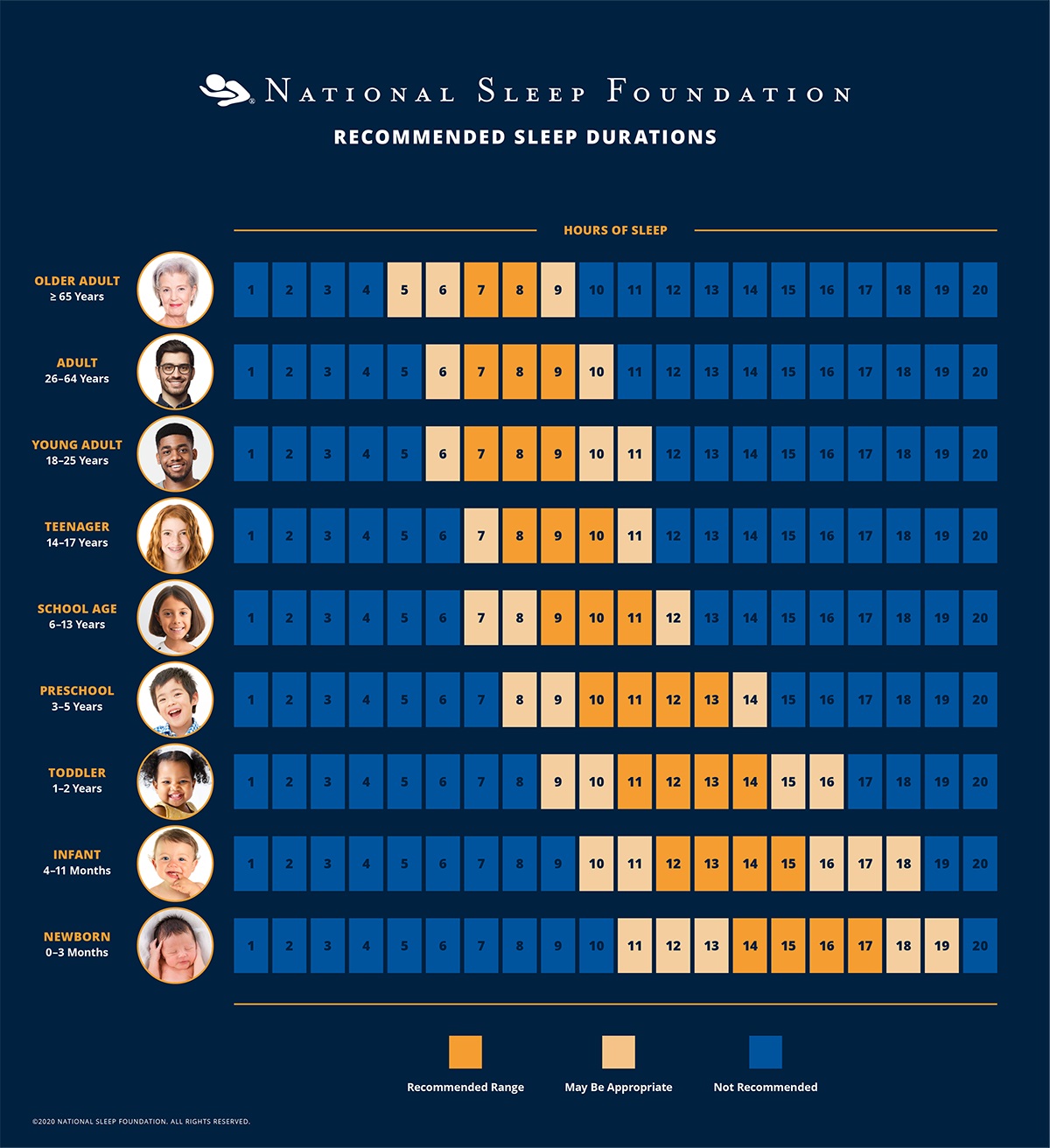
But that recommendation changes with age. Adults over age 65 may need just six to seven hours of sleep per night. So older people, if otherwise healthy, should not feel anxious if they’re getting just six hours. Young people need the most – at least nine hours – and some younger children may need more.

How can insufficient sleep harm our health?

Fernandez-Mendoza: Our team was the first to show that those complaining about insomnia – difficulty falling or staying asleep – were more likely to have high blood pressure and be at risk for heart disease.

In both teens and adults, we found that insomnia and shortened sleep may lead to elevated stress, hormone levels and inflammation. These problems tend to show up before you develop heart disease.

As we age, the recommended amount of sleep declines. National Sleep Foundation Copyright 2025 National Sleep Foundation, all rights reserved


What about people who have more serious sleep problems?

Fernandez-Mendoza: Good sleep hygiene habits include cutting down on caffeine and alcohol, quitting smoking and exercising regularly. I also recommend not skipping meals, not eating too late at night and not eating too much.

But people with a persistent sleep problem may need to make more behavioural changes. Research studies point to a set of six rules that can improve your sleep. You can follow these changes consistently in the short term, and then choose how to adapt them into your lifestyle down the road.

First, get up at the same time no matter what. No matter how much sleep you get. This will anchor your sleep/wake cycle, called your circadian rhythm.

Second, do not use your bed for anything except sleep and sexual activity.

Third, when you can’t sleep, don’t lie in bed awake. Instead, get out of bed, go into another room if you can, and do an activity that’s enjoyable or relaxing. Go back to bed only when you’re ready to sleep.

Fourth, get going with daily activities even after a poor night’s sleep. Don’t try to compensate for sleep loss. If you have chronic insomnia, don’t nap, sleep in, or doze during the day or evening even after poor sleep the previous night.

Fifth, go to bed only when you’re actually sleepy enough to fall asleep.

And sixth, start with the amount of sleep you’re now getting – with the lowest limit at five hours – and then increase it weekly by 15 minutes.

These six rules are evidence-based and go above and beyond simple sleep hygiene habits. If they don’t work, see a provider who can help you.

Do you have advice specifically for adolescents?

Fernandez-Mendoza: Adolescence is a unique developmental period. It’s not just the obvious physical, emotional and behavioural changes that occur during adolescence and puberty – there are changes in a teenager’s brain that can alter their sleep patterns.

When an adolescent goes through puberty, their internal clock changes so that their sleep schedule shifts to later hours. While it’s true that adolescents are more engaged at night because of their social relationships, there’s also biology behind why they want to stay up late – their internal clocks have shifted. It’s not just choice.

School start times for most adolescents are at odds with that biological shift. So they don’t get enough sleep, which affects their performance in school. Research suggests that schools with later start times are more closely aligned with the science on child development and don’t put adolescents at risk by making them wake up earlier than their bodies are biologically inclined to.

Parents can help their teens get better sleep. Set a time for kids to stop doing homework and put away electronics. Instead, they can watch TV with the family or read – something relaxing and enjoyable that will help them wind down before bed.

You can also gradually move back their wake-up time. Start on weekends, waking them up 30 minutes earlier every day, including school days, until the child reaches the desired wake-up time. Don’t try to re-shift them suddenly – for example, waking up a teenager at 5 a.m. like it’s the military – because that doesn’t work. They won’t get used to it, since it’s at odds with their internal clock. So, do it little by little. If that doesn’t work, see a clinical provider.

What kind of treatments can a sleep clinician provide?

Fernandez-Mendoza: People should get help if they feel they sleep poorly, if they’re fatigued during the day, or if they snore or grind their teeth. All these issues deserve attention.

Some people may think a sleep provider just prescribes expensive medication, but that’s not true. There are behavioural, non-drug-based treatments that work. Cognitive behavioural therapy is the first-line treatment recommended for insomnia. Light therapy may also help, which is the use of a bright light therapy lamp at a given time during the day or evening, depending on the person’s sleep problem.

SciLine is a free service based at the American Association for the Advancement of Science, a non-profit that helps journalists include scientific evidence and experts in their news stories.

https://theconversation.com/insomnia-can-lead-to-heart-issues-a-psychologist-recommends-changes-that-can-improve-sleep-251017