Tuesday, 10 October 2023

A short history of insomnia and how we became obsessed with sleep

From theconversation.com

This article is the first in The Conversation’s six-part series on insomnia, which charts the rise of insomnia during industrialisation to sleep apps today.


French author Marie Darrieussecq writes in her 2023 memoir Sleepless:

The world is divided into those who can sleep and those who can’t.

It’s a big call. But insomnia is a well-recorded preoccupation in history. It includes difficulty falling asleep, or staying asleep, and comes with daytime distress and anxiety.

There are many, varied reasons why people have insomnia. These include biological changes as we age or because of our hormones, physical or mental health issues, the medicines we take, as well as how and where we live and work.

Insomnia is a form of torture

Sleep deprivation is literally a form of torture. Roman consul Marcus Atilius Regulus is allegedly the first person in recorded history to die of insomnia.

In about 256 BCE he was handed over to Rome’s enemies, the Carthaginians, who apparently tortured him to death. They did this by amputating his eyelids and forcing him to stare at the Sun.

As horrible as this sounds, the legend doesn’t stand up. There are no reliable accounts of how Regulus died. But even though sleep-deprivation torture may not have killed Regulus, it continues to be used in many countries today.

One of the best early descriptions of insomnia is by English clergyman Robert Burton in his book The Anatomy of Melancholy (1628).

Burton knew insomnia was both a cause and a symptom of depression. He also recommended avoiding eating cabbage, which “causeth troublesome dreams” and not going to bed straight after eating the evening meal.

Then came industrialisation

But we need to look at industrialisation – when a country moves from mostly farming to mostly manufacturing using machinery – for clues to the level of insomnia we see in Western nations today.

In countries without industrialisation, insomnia is quite rare. Only around 1-2% of the population will experience it. Compare this with modern United Kingdom, where the estimated insomnia rates are 10-48%, depending on the study. A 2021 report said 14.8% of Australians had symptoms meeting criteria for chronic (long-term) insomnia.

                  The shift to working in factories using machines also shifted our sleep habits. Wikimedia Commons


As Western countries modernised, things we now associate with insomnia became part of people’s lives. These include artificial lighting and clocks. There was also more ambient noise, and changes in diet and housing. So our sleep habits shifted as a result of this new way of living and working.

At around the same time, the Enlightenment era of flourishing new sciences in the late 18th century gave us the term “insomnia” and where there is “insomnia”, there must be “insomniacs”. So “insomniacs” became a diagnostic term for people struggling with sleep.

The 19th and 20th centuries

                                     This 1910 cartoon plays on our long-held quest for sleep. Wellcome Collection

Medical cures for insomnia began to spread – some of them probably effective.

For example, in the 19th century Grimault & Co’s “Indian Cigarettes” were advertised in Australia. They contained cannabis.

The 19th century was also the birthplace of modern medical ideas about anxiety, which we now know can cause insomnia.

Romanian philosopher Emil Cioran (1911-1995) had chronic insomnia. His 1934 book On the Heights of Despair (the title speaks for itself) describes the loneliness and isolation of insomnia – the feeling of being cut off from the rest of humanity.

So many famous modern writers and artists had insomnia that it’s now almost a cliche. Victor Hugo, Franz Kafka, Marcel Proust and Ernest Hemingway all struggled with sleeplessness.

In Hemingway’s short story Now I Lay Me, his soldier narrator and alter ego says:

I myself did not want to sleep because I had been living for a long time with the knowledge that if I ever shut my eyes in the dark and let myself go, my soul would go out of my body.

        Veronal was one of a range of new drugs that promised easy sleep. Science Museum, London, CC BY-SA


It’s also no coincidence the first barbiturate drugs were discovered in this era. Barbital, marketed as Veronal, was just one of a range of new drugs that promised easy sleep to those who struggled.

These drugs made people relaxed and sleepy by switching on the body’s gamma-aminobutyric acid (GABA) system. This part of our nervous system works to inhibit processes in the body that would otherwise keep us awake. But these drugs can inhibit these processes too much. Suicides and accidental deaths by sleeping pill overdose became sadly common in the following decades.

The famous home encyclopaedia Enquire Within Upon Everything provided a scientific-sounding cure for insomnia:

Nervous persons, who are troubled with wakefulness and excitability, usually have a strong tendency of blood on the brain, with cold extremities. The pressure of the blood on the brain keeps it in a stimulated or wakeful state […] rise and chafe the body and extremities with a brush or towel, or rub smartly with the hands to promote circulation, and withdraw the excessive amount of blood from the brain, and they will fall asleep in a few moments. A cold bath, or a sponge bath and rubbing […] will aid in equalising circulation and promoting sleep.

Now, “sleep hygiene” means something different to taking a cold bath. It’s the process of quieting your body and mind before bedtime.

Which brings us to today

In the 21st century, Western living has added two new sleep disturbers to the mix. We drink huge amounts of caffeine. We also go to bed with handheld devices – with their bright lights and constant dopamine hits that stimulate us and stop us sleeping.

Our problems with insomnia show no signs of going away. This is partly because our economy is increasingly organised around sleep-depriving work. In the United States, production workers are the most likely to have sleep disorders, possibly because of shift work. In the United Kingdom, professional soccer players are over-using sleeping drugs to help them wind down after the adrenaline rush of a game.

In Australia, the financial cost of poor sleep is an estimated A$26 billion a year, mainly through lost productivity or accidents. This means there’s a good financial incentive to address the problem.

And if the global insomnia market is anything to go by, insomnia is big business and getting bigger. This is projected to reach US$6.3 billion by 2030, largely driven by increased diagnoses and therapy, as well as the use of sleep aids, such as sleep apps.

https://theconversation.com/a-short-history-of-insomnia-and-how-we-became-obsessed-with-sleep-211729 

Monday, 9 October 2023

Sleep Problems Increased During COVID-19 Pandemic, Possibly Due to Poor Sleep Hygiene

From ajmc.com

Sleep problems significantly increased between the first and second waves of the COVID-19 pandemic, which might be explained by detrimental sleep hygiene practices.

Sleep problems increased significantly between the first and second COVID-19 pandemic waves, and the interindividual variability surrounding this growth could be explained by detrimental sleep hygiene practices, according to a study in the Journal of Sleep Research.

Worse sleep hygiene practices were linked with a more exaggerated growth in sleep problems between spring 2020 and autumn-winter 2020 (b = .191; P = .013), even after controlling for relevant confounders like demographic factors, COVID-19–related information, and psychological distress.

The COVID-19 pandemic significantly affected physical and mental health around the globe, the researchers noted, and a large body of literature emphasized that sleep quality and sleep habits endured relevant changes during the pandemic.

In this study, researchers aimed to analyse changes in sleep problems across 3 waves of the COVID-19 pandemic and to pinpoint possible predictors of the interindividual variability surrounding these changes with a special focus on the role of damaging sleep hygiene practices.

The cohort consisted of 352 participants who completed an online survey of self-report questionnaires during 3 distinctive COVID-19 pandemic waves: T1 (Spring 2020); T2 (Autumn-Winter 2020); and T3 (Spring 2021).

Then, the questionnaires obtained information on sociodemographic and COVID-19–related factors, psychological distress (ie, the Depression Anxiety Stress Scale-21), sleep hygiene (ie, the Sleep Hygiene Index), and sleep problems (ie, the Medical Outcomes Study–Sleep Scale).

An average increase in sleep problems between T1 and T2 with significant interindividual variability was unveiled through latent change score modelling. No substantial changes were seen between T2 and T3 on average.

Also, the latent change score (LTS) model emphasized a significant change in sleep problems between the first pandemic wave and the second pandemic wave.

“Importantly, although the average extent of change was small, we identified significant interindividual variability, indicating that the rate of change was not uniform among all individuals,” the researchers wrote.

They noted that their findings also gave empirical support for the main hypothesis about the role of detrimental sleep hygiene practices in describing changes in sleep problems between T1 and T2. Precisely, the conditional LCS model denoted that individuals who reported poor sleep hygiene showed a greater increase in sleep problems.

Conversely, no average changes in sleep disturbances were seen between the second and third waves, which confirmed on the one hand that the COVID-19 pandemic had a significant impact on sleep problems, but the nonexistence of significant average changes between the second and third waves might be related to an “adaptation” to the pandemic, as suggested by previous studies.

Findings indicated that individuals with higher levels of sleep problems at T1 experienced less deteriorating between T1 and T2, while those with fewer sleep disturbances at baseline possessed a higher increase.

Discoveries of this study expand on former research about the detrimental effects of the pandemic on mental health, suggesting that interventions aimed at sleep hygiene practices might be beneficial for mitigating its damaging impact on sleep disruptions.

Due to these results, researchers argue that possessing a reliable tool to identify sleep hygiene behaviours and the ability to estimate future sleep problems could be beneficial for implementing clinical programs concentrated on insomnia and other sleep alterations in the post-pandemic time frame.

This is the first study to analyse sleep changes over 3 waves of the COVID-19 pandemic by implementing an LCS modelling approach to the best of the researchers’ knowledge.

There were some limitations in this study. First, there was a considerable dropout rate across the 3 periods of data collection. Additionally, the majority of the sample was made up of female respondents and young adults, which might limit the generalizability and external validity of the results to male and adult individuals. Therefore, future studies should strive for more representation to strengthen finding generalizability.

“This research serves as an essential update and extension of prior studies on the impact of the pandemic on mental health, suggesting that interventions targeting sleep hygiene practices may prove useful in mitigating the worsening of sleep disturbances during such challenging times,” the authors concluded.

https://www.ajmc.com/view/sleep-problems-increased-during-covid-19-pandemic-possibly-due-to-poor-sleep-hygiene 

Wednesday, 4 October 2023

Study reveals link between insomnia and hypertension in women

From earth.com

In an ever-busy world, achieving sufficient sleep has become a formidable challenge. Now, a team of scientists from the Channing Division of Network Medicine of Brigham and Women’s Hospital (affiliated with the Mass General Brigham healthcare system), has highlighted the health implications of proper sleep. 

The research indicates a connection between insufficient sleep and a heightened risk of hypertension in women. 

Symptoms of insomnia 

“These findings suggest that individuals who struggle with symptoms of insomnia may be at risk of hypertension and could benefit from pre-emptive screening,” said lead author Shahab Haghayegh, a research associate at the Brigham and Harvard Medical School. 

“Hypertension is associated with many other physical and mental health complications. The sooner we can identify individuals with high blood pressure and treat them for it, the better we can mitigate future health issues.”

Lack of adequate sleep 

The rising trend of both hypertension and sleep-related issues is concerning for adults across the United States. Disturbingly, data from the Centers for Disease Control and Prevention (CDC) shows that over 35 percent of US adults are deprived of adequate sleep. 

Furthermore, the American Academy of Sleep Medicine points out that nearly 30 percent of Americans are battling with insomnia. Even more alarmingly, 45 percent of US adults appear to be grappling with high blood pressure.

Focus of the research 

In their comprehensive study, Haghayegh and his team monitored 66,122 participants, aged 25-42, from the Nurses’ Health Study II (NHS2) cohort. None of these participants had hypertension at the beginning of the study, which took place between 2001 until 2017. 

The researchers examined diverse variables, including age, lifestyle habits, sleep patterns, and health history. Regular assessments were conducted to determine the onset of hypertension among participants, factoring in their sleep durations and any challenges related to sleep.

Increased risk of hypertension 

The results painted a clear picture: women with compromised sleep often exhibited higher BMI, indulged in unhealthy lifestyles, including smoking and alcohol consumption, and many had undergone menopause.

In the collected data, 25,987 instances of hypertension were identified. Strikingly, women who managed less than the recommended seven to eight hours of sleep displayed an increased likelihood of developing hypertension. 

Those who faced challenges in initiating or maintaining sleep also exhibited a heightened risk. However, waking up early did not correlate with this risk. Crucially, these connections were evident even after adjusting for the participants’ work schedules and natural sleep-wake cycles.

Physiological changes 

The exact dynamics between sleep disturbances and hypertension risk remain elusive. Yet, the experts have argued that disruptions in sleep might trigger a sequence of physiological changes potentially leading to hypertension. 

This includes factors like sodium retention, arterial rigidity, and variations in cardiac output. Additionally, any imbalance in the sleep/wake cycle can interfere with the vascular tone regulation.

Study implications 

Though the study centered on women, the researchers aim to broaden their focus to include male and non-binary participants in future studies. Another limitation was the intermittent data collection on sleep quality during the study. However, the extensive participant base and the lengthy follow-up period bolster the study’s credibility.

Haghayegh highlighted the non-causal nature of these findings. He is keen on delving deeper to comprehend the link and ascertain if addressing one condition might alleviate the other. His future research aims to investigate whether sleep medications can influence blood pressure positively.

“I hope these findings further underscore the crucial role of quality sleep in our overall well-being. The American Academy of Sleep Medicine recommends sleeping seven or more hours a night, and if you cannot fall or stay asleep, it might be worth exploring why that is. This study highlights yet another reason why getting a good night’s sleep is so important,” he concluded.

The study is published in the journal Hypertension.

https://www.earth.com/news/study-reveals-link-between-insomnia-and-hypertension-in-women/


Sunday, 1 October 2023

Sleepy tea, counting backwards and dense earplugs: Inside the lives of insomniacs

From independent.co.uk

Short-term ‘hacks’ for falling asleep faster can provide brief respite for those struggling with insomnia. But there is a ‘complete cure’ for the condition that plagues millions of people in the UK, sleep expert Dr Lindsay Browning tells Maanya Sachdeva

Lavender oil. Eating kiwis. Masturbation. Everyone has their own “hacks” when it comes to falling asleep in 2023; the days of counting sheep are long gone. Jennifer Aniston’s top tip for battling insomnia is to “sleep with my phone at least five feet away from me”, while Martha Stewart recommends focusing on your breathing. In her 1973 feminist novel Fear of Flying, author Erica Jong notes that, sometimes, the only way to overcome sleeplessness is by pretending you don’t care about nodding off. “Then sleep became piqued, like a rejected lover, and crept up to try to seduce you.”

In a world where human sleep patterns have increasingly been plunged into chaos, people are having to turn to ever more creative – and often bizarre – means of getting their 40 winks in. Today, the internet is littered with tips and tricks that promise a sound sleep, but not all of them are effective and none are foolproof. (Kiwis, by the way, contain serotonin and antioxidants, which is why it’s thought they might have sleep-promoting benefits.) The result is a society with a growing problem on its hands: persistent sleeplessness – otherwise known as insomnia.

Globally, it is estimated that around 10 per cent of adults meet the criteria for insomnia; the sleep disorder is characterised either by difficulty falling asleep or staying asleep to such an extent that it disturbs your ability to function during the day.

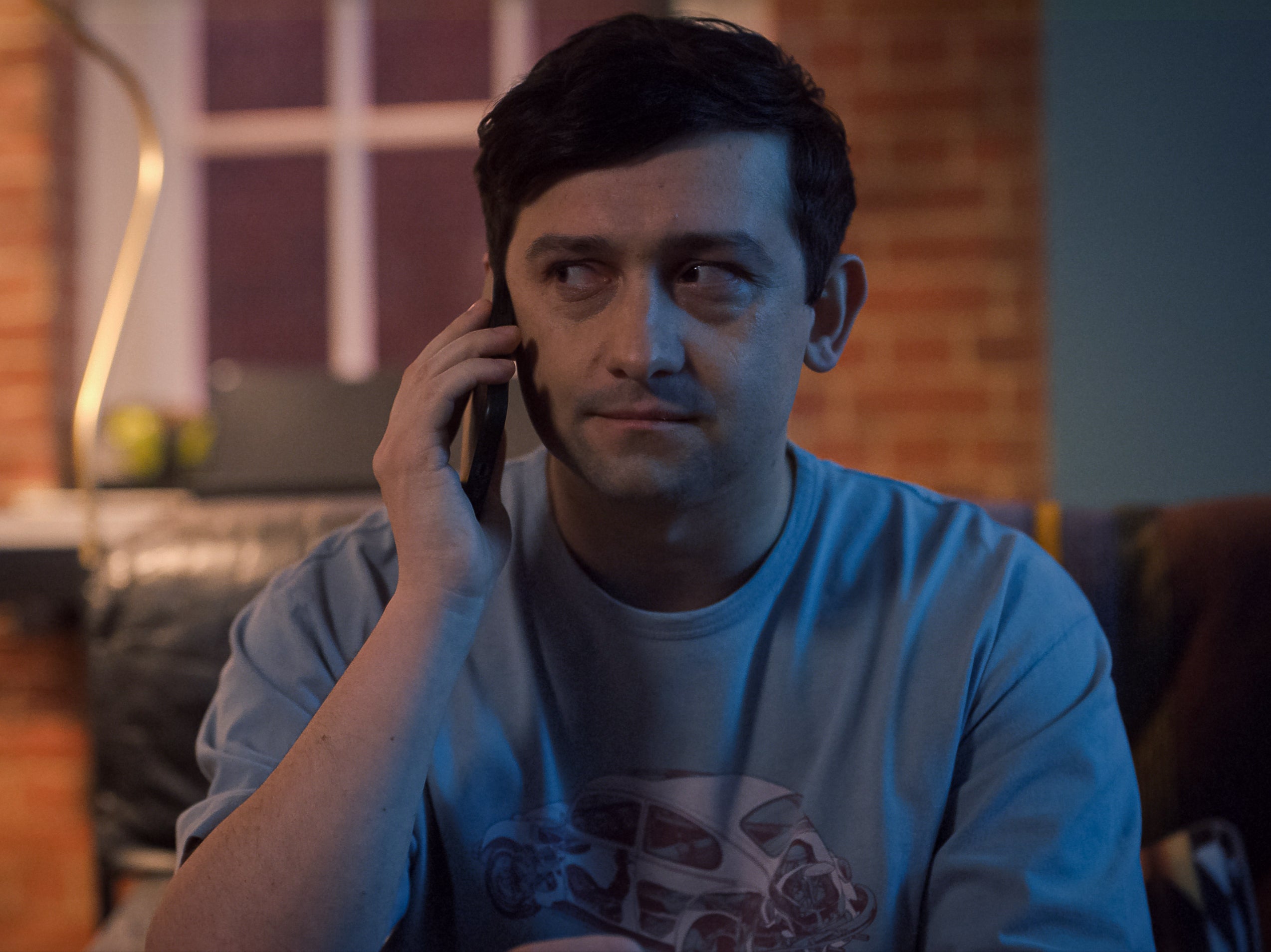
Insomnia lies at the heart of the new Apple TV+ comedy series Still Up. The show follows Lisa (Antonia Thomas) and Danny (Craig Roberts), two best friends who stay up late talking to each other because they can’t sleep. Lit by the blue glow emanating from their electronic devices, Lisa and Danny form a deep connection over their nocturnal calls, with their friendship gradually drifting into something more. At one point, Lisa checks herself into a sleep clinic in London, telling Danny she’s willing to “try anything” at this point – a sentiment the sleepless know all too well.

The series was inspired by creator Natalie Walter’s own experience with insomnia, and her late-night Facebook chats with Steve Burge, her co-writer on Still Up. “As part of the research for [the show] we visited a sleep clinic, which was fascinating,” she tells me. “Some evolutionary biologists think the reason humans have different sleep patterns is that during our early history, a few members of the tribe would always be awake and vigilant during the night, and so could protect everyone else from predators. Not that I’d be much use fighting off a woolly mammoth.”

                                     Antonia Thomas at a sleep clinic in the Apple TV+ series ‘Still Up’

Just like depression or anxiety, insomnia can often be triggered by something. Whether it’s a life event as monumental as becoming a new parent, or something as commonplace as jet lag, there are any number of things that can prompt a bout of sleeplessness. The issue, explains sleep therapist Dr Lindsay Browning, is that insomnia can often remain long after the trigger has gone. “At this point, you’re no longer worried about the traumatic incident; you’re now worried about not being able to sleep.” It’s a self-fulfilling prophecy.

Social media consultant and mother of two, Amy Fieldhouse-Downes, started suffering from insomnia after the birth of her second son in 2019. She believes the affliction was rooted in anxiety. “If you Google how to go to sleep, I’ve probably tried everything on there,” she says. “Going to bed earlier, going to bed later, meditations that would get cut off by an advert, lavender products, sleep cream, eye masks, Sominex sleep tablets. And I even used it as an excuse to have a few glasses of wine.” It wasn’t until she tried sleeping with specialised earplugs that she was finally able to get some rest.

Long-time insomniac and video producer Preshita says she has tried many tricks over the years – “from drinking chamomile tea to counting backwards from 1,000”. After much experimenting, she has found that taking a shower before bed and keeping her bedroom clutter-free were the most effective methods. “Someone recommended masturbating, and that was another thing that worked,” she adds.

<p>‘Still Up’ follows Lisa (Antonia Thomas) and Danny (Craig Roberts) as best friends who stay up late talking to each other because they can’t sleep  </p>

‘Still Up’ follows Lisa (Antonia Thomas) and Danny (Craig Roberts) as best friends who stay up late talking to each other because they can’t sleep 

Millions of people struggle with insomnia in the UK alone. Studies have found that women are 40 per cent more likely to be affected by insomnia than men. “This sex difference in insomnia emerges after puberty, suggesting that hormonal differences such as menstruation, pregnancy and menopause may be the cause of this increased risk in women,” Dr Browning says. The symptoms of insomnia can last a long time; a longitudinal study conducted in the UK found that 69 per cent of respondents affected by the sleep disorder at the start of the study still had insomnia 12 months later.

This may go to show how complex treating insomnia can be. Explaining the appeal of quick fixes, Dr Browning says, “In the short term you’re changing something, so [they] can often [work] like a placebo. If hunger is keeping you awake, eating before bed will help. If your mattress is uncomfortable, sleeping on the floor will help.” But the problem isn’t just that these methods don’t necessarily work – it’s that they could be used to exploit vulnerable insomniacs.

“I’m a sleep therapist, my doctorate is in insomnia and it’s very, very frustrating,” she says. “People who have insomnia are desperate. I treat patients who are suicidal, who have quit their jobs, whose lives are completely on hold because of their sleeping issues. And they’re vulnerable. My clients have spent hundreds and hundreds of pounds on things that made no difference. If people are being mis-sold expensive things and they’re being preyed upon, that’s a huge problem.”

Rosie Davies-Smith, a PR consultant, says she has spent more than £600 on a variety of treatments, including a combination of doctor-prescribed and over-the-counter medications, teas, supplements, weighted blankets, and eye masks. “While supplements, exercise, and sleep hygiene provided some relief, the true breakthrough came from addressing the root causes of my insomnia through therapy,” she tells me.

<p>Rosie Davies-Smith, a PR consultant, says she has spent more than £600 on a variety of treatments, including a combination of doctor-prescribed and over-the-counter medications</p>

Rosie Davies-Smith, a PR consultant, says she has spent more than £600 on a variety of treatments, including a combination of doctor-prescribed and over-the-counter medications

As with many other mental health disorders, therapy can often provide long-term relief from insomnia. The most effective of these therapies is Cognitive Behavioural Therapy for Insomnia (CBTI),” says Dr Browning, describing it as a “complete cure” that a lot of people don’t know about. “Different from CBT for depression or CBT for anxiety, CBTI works by addressing the negative thoughts and worries that perpetuate insomnia.”

Other avenues of treatment are also proving increasingly fruitful. A new drug called Quviviq was just approved by the NHS last week. Dr Browning is optimistic about the “exciting” new medication, explaining that it acts in a very different way to other sleeping pills, which “knock you out” but cause people to develop a tolerance. “As much as CBTI is the gold standard across the world, there might be some people who need a bit of [medicinal] help as well, a bit like depression.”

In the meantime, Dr Browning says there’s no harm in trying the occasional Reddit recommendation – if it’s free. That might be an act of self-pleasure, narrating the plot of Pride and Prejudice in your head, or listening to shipping forecasts. FaceTiming your best friend into the early hours of the morning – like Lisa and Danny do in Still Up – probably isn’t encouraged, but it does make for a very good romcom.

https://www.independent.co.uk/life-style/insomnia-cure-sleep-disorder-signs-b2416552.html

Friday, 29 September 2023

How sleep affects your health – and how to get more of it

From mdanderson.org

‘Hygiene’ typically draws to mind examples such as hand washing, showering or brushing teeth. But did you know there is also sleep hygiene?

Dave Balachandran, M.D., medical director of MD Anderson’s Sleep Center, uses the term sleep hygiene to describe healthy sleep habits.

Here, Balachandran shares several sleep hygiene suggestions and discusses the basics of sleep and its impact on health.

What causes sleepiness?  

“Sleep is derived by the brain. There's a set of neurons, or brain cells, that create sleep,” Balachandran says. “They have two functions: to activate sleep and activate keeping you awake.”

These neurons work together with the circadian rhythm.

“Our circadian rhythm tells us on an approximately 24-hour cycle when it is time to go to sleep and when it is time to stay awake,” Balachandran says.

How much sleep do we need? 

“Seven to eight hours seems to be the ‘just right’ point that is optimal for health,” Balachandran says. “There are some people who may need less and some people who may need more. Like with everything, that's sort of the average for an adult."

Not sure if you are getting enough sleep? Balachandran suggests asking yourself the following questions:

  • Are you able to function like you would like to during the day when you're not sleeping? 
  • Are you mentally alert? 
  • Are you cognitively at your best? 
  • Are you not feeling the need to take naps? 
  • Are you able to avoid falling asleep at inappropriate times? (ex: while driving)

“If you can answer yes to all of those questions, then you are getting sufficient sleep for you," he says. 

On the contrary, if you are sleeping for more than nine hours a night, you may be getting too much sleep. Balachandran says that this could be excessive sleepiness, which is linked to poor health and earlier mortality.

To determine exactly how much sleep you are getting, Balachandran suggests using a sleep diary or activity tracker.

How does sleep impact health?

After a bad night of sleep, you might feel groggy, unfocused or simply under the weather.  

“The immune system is generally weaker with insufficient or irregular sleep. That's why people who are sleep deprived are more susceptible to things like colds,” Balachandran says.

Balachandran says this may be linked to damage caused by inflammatory cytokines, a type of cell in the immune system.

Overarching sleep habits may also play a role in health outcomes such as heart disease, heart attacks, hypertension, strokes and cancer.

“There's a lot of data that says if you sleep deprive people or animals, they have worsened health outcomes,” he says. “There's increasing data that really disturbed or short sleep in particular can even lead to things like cancer.” 

With flu season on the horizon, Balachandran also notes the importance of a good night’s sleep after a vaccination. He says there have been several studies in which participants received vaccines and then slept for either four hours or eight hours. Results showed that participants who slept for eight hours had greater antibody production than those who only slept for four hours.

“Sleep has a lot of functions and we're still learning,” Balachandran says.

Is there an ideal bedtime?

Early birds and night owls can call a truce; Balachandran says people get the same benefits from sleep whether their bedtime is 8 p.m. or 2 a.m. 

“If you were living in a cave all by yourself, it wouldn't matter when you slept,” Balachandran says.

Even more important than a specific bedtime is setting — and sticking to — a time to go to bed and wake up each day.

“Being very regular with that helps train your circadian rhythms and helps your brain understand this is the time to sleep, this is the time to wake up,” Balachandran says. “That's probably the most important one thing you can do to improve your sleep.”

Daily routine also plays a large role in the quality of sleep at night. Scheduling activities such as meals, workouts and socializing can provide a sense of regularity that fosters better sleep. 

"If you can build a schedule for yourself, your whole wake-sleep cycle will potentiate itself and make itself stronger and keep you in that rhythm,” Balachandran says.

Is it possible to make up for lost sleep?

While it would be awesome to save extra sleep for the next time you need to pull a late night, unfortunately, sleep doesn’t work like that.

“You can’t bank sleep. You can’t pre-sleep in order to stay up later and not have the sleepiness,” Balachandran says.  

While you can’t bank sleep, you can still go into sleep debt. 

“Every minute that you're awake, you're starting to accrue a little bit of sleep debt, and eventually that has to be paid off,” Balachandran says.

This might mean taking a nap or getting more sleep the following night. 

“If you're someone who usually needs seven hours of sleep and you only slept four hours the night before, it’s not one-to-one necessarily, but you’re going to have more sleepiness and more pressure to fall asleep,” Balachandran says. 

Tips for getting quality sleep

Get out of bed if you can’t sleep

It might seem counterintuitive, but if you are having trouble sleeping, don’t stay in bed and count sheep. Instead, Balachandran recommends doing a relaxing activity until you feel sleepy again. This might look like reading, journaling or working on a puzzle.

"What that does is it prevents you from staying in bed and worrying about not sleeping and having random or disturbing thoughts that are just going to keep you more awake,” Balachandran says. 

Don’t eat heavy meals before bed

Anyone who has taken an amazing post-Thanksgiving meal nap might be surprised to learn that eating a heavy meal right before bed isn’t a hack for getting better sleep.

In fact, Balachandran says eating a large meal before bed may worsen conditions including gastroesophageal reflux, acid reflux and heartburn. 

He also notes that studies have shown what you eat before bed and how close to bedtime you eat can impact factors including how long it takes to fall asleep and whether you wake up overnight. 

Balachandran says most experts recommend eating dinner between two and four hours before bed.

If you are hungry for an after-dinner snack, avoid options that are acidic, caffeinated, spicy or high in fat.

Stop drinking caffeine after noon

Caffeine works by blocking adenosine, a chemical in the brain that causes sleepiness. Thanks to caffeine’s long half-life, that sleepiness-blocking effect can stick around for a while. In other words, that cup of Joe that seemed harmless at 2 p.m. might make it harder for you to fall asleep come bedtime.  

If that scenario sounds familiar, enjoy caffeinated beverages in the morning and switch to decaf come noon. 

Limit screentime before bed

Our phones, computers, televisions and other devices provide us with information, connection and funny videos, but they also emit blue-green light. “It shuts off your melatonin secretion, and that can impair your ability to sleep,” Balachandran says. 

While he notes that many devices offer a night mode that filters blue-green light, he says the best option for sleep hygiene is avoiding screens before bed altogether.  

Design a bedtime routine

We’ve talked a lot about what not to do before heading to sleep. Likewise, how you spend time before bed can have an equally significant impact. 

Balachandran notes that the brain loves routine, and a bedtime routine that includes your favourite wind-down activities can set the scene for a night of restful sleep.

“That could be getting dressed for bed, brushing your teeth, reading a little bit, praying, keeping a journal, meditation,” Balachandran says. “It tells your brain this is the time that I do these things, including sleeping.” 

Keep the bedroom dark and cool

If you’ve ever flipped your pillow over to lie against the cool side, you likely understand the appeal of sleeping in a cooler bedroom compared to a warmer one. “That’s more conducive to sleep than really hot rooms,” Balachandran says.

Likewise, keeping bedrooms dark in the evening may also aid in drifting off. If your bedroom isn’t dark enough for your liking, try out an eye mask or light-blocking curtains.

Associate your bedroom with sleep 

To help your brain create a stronger association between your bedroom and sleep, Balachandran recommends only using your bed for sleep and sex. 

“Don't make that the place where you watch TV or the place where you do other activities. You want to create a really strong association between the bed and bedroom and sleep.” 

https://www.mdanderson.org/cancerwise/how-sleep-affects-your-health-and-how-to-get-more-of-it.h00-159621801.html