Wednesday, 13 March 2024

Health warning as getting less than six hours of sleep linked to serious condition in new study

From chroniclelive.co.uk

A study involving nearly a quarter of a million Brits found that those who slept less than six hours a night were at a 'notably higher risk' of developing type 2 diabetes 

People who don't get enough sleep could be at a higher risk of developing a long-term condition that can affect their daily life, new study has found.

The NHS advises that adults need seven to nine hours of sleep on average - but a poll taken back in 2017 found that nearly a third (31%) of Brits believe they have insomnia, while two-thirds said they suffer from disrupted sleep. Not only can a lack of sleep affect your mood and concentration, but it has also been linked to many serious health problems.

A recent study has found evidence of a link between a lack of sleep and the development of type 2 diabetes in adults, after analysing the sleeping habits and diets of more than 247,000 adults in the UK. It found those who slept less than six hours a night had a "notably higher risk" of developing the condition, compared with those who managed to get seven to eight hours, The Mirror reports.

Scientists added that even participants who maintained a healthy diet (which was ranked from 0-5 and based on low red meat and high fruit and vegetable consumption) were still at a higher risk of developing the condition if they were not getting enough sleep. This is a significant finding, given that being overweight or obese is considered one of the most common causes of type 2 diabetes, and it has also been linked to certain foods and drinks such as sugary products and processed meats.

The study concluded: "Further research is necessary to explore whether specific dietary patterns, such as time-restricted eating, can counteract or alleviate the adverse metabolic consequences associated with short sleep duration. Future studies exploring the associations among adherence to a healthy diet, sleep duration, and the risk of developing type two diabetes would benefit substantially from including repeated and objective measures of both sleep and dietary habits."

                                              Insomnia can be caused by stress, anxiety or depression

The link between sleep and diabetes is one that has been known for years, although it's not yet clear what the exact nature of this relationship is. Diabetes UK explains: "We know that there’s a link between quality of sleep, blood sugar levels and the risk of type 2 diabetes, although we don’t fully understand what's going on inside the body to explain these links.

"We know that poor quality sleep can affect blood sugar levels while we sleep, but more research is needed to see how sleep interventions could help people with or at risk of type 2 diabetes. While getting a good night’s sleep is an essential component to good health, for reducing your risk of developing type 2 diabetes, it is also important to eat healthily and be physically active."

Causes and symptoms of insomnia

Stress, anxiety or depression are among the most common causes of insomnia, but alcohol, caffeine or nicotine can also contribute to a lack of sleep. Your sleeping conditions can also play a significant part in how much rest you're getting - a bedroom that's noisy, too hot or cold, or has an uncomfortable bed could be contributing to your insomnia.

According to the NHS, you have insomnia if you regularly:

  • Find it hard to go to sleep
  • Wake up several times during the night
  • Lie awake at night
  • Wake up early and cannot go back to sleep
  • Still feel tired after waking up
  • Find it hard to nap during the day even though you're tired
  • Feel tired and irritable during the day
  • Find it difficult to concentrate during the day because you're tired

NHS advice on treating insomnia

If you are struggling to sleep, you can buy tablets or liquids that may help - some contain natural ingredients such as valerian or lavender, while others contain antihistamine. However, you should check with your doctor before taking anything for sleep problems - some products can have side effects, and should only be taken for a short amount of time.

The NHS suggests making an appointment with your GP if you have had trouble sleeping for months which is affecting your daily life in a way that makes it hard for you to cope, and if changing your sleeping habits hasn't improved the problem. Your doctor will try to find out the cause behind your insomnia so you can get the right treatment.

Here are some tips from the health service on how to improve your sleep:

  • Go to bed and wake up at the same time every day
  • Relax at least 1 hour before bed, for example, take a bath or read a book
  • Make sure your bedroom is dark and quiet – use curtains, blinds, an eye mask or ear plugs if needed
  • Exercise regularly during the day
  • Make sure your mattress, pillows and covers are comfortable

And the NHS' advice on what not to do includes:

  • Do not smoke or drink alcohol, tea or coffee at least 6 hours before going to bed

  • Do not eat a big meal late at night

  • Do not exercise at least 4 hours before bed

  • Do not watch television or use devices, like smartphones, right before going to bed, because the bright light makes you more awake

  • Do not nap during the day

  • Do not drive when you feel sleepy

  • Do not sleep in after a bad night's sleep and stick to your regular sleeping hours instead

Tuesday, 12 March 2024

What is sleep apnoea and is it serious?

From breakingnews.ie

While many of us are aware getting enough slumber is essential to our health and wellbeing – what about health concerns that arise when we’re actually asleep?

A big example is sleep apnoea – a common condition that causes breathing to be interrupted during sleep. As well as resulting in ongoing tiredness, if left untreated, it can potentially cause various health conditions, including heart diseases, diabetes and depression.

                                                      Sleep apnoea can lead to cardiovascular issues (Alamy/PA)

What is sleep apnoea?

Sleep apnoea is a sleep disorder that causes repeated breathing interruptions during sleep. According to experts, obstructive sleep apnoea (OSA) is the most common type of the disorder, impacting approximately one in 20 people.

Emma Rubach, head of health advice at Asthma + Lung UK, explains: “Usually when you’re sleeping, air can travel freely to and from the lungs via your airways, but with sleep apnoea, the airway collapses – resulting in loud snoring, stopping or struggling to breathe, a feeling of choking or gasping, sudden body movements, waking up during the night, and snoring.”

The condition can also cause people to experience headaches, irritability and tiredness during the day.

Who is most at risk?

Experts say obesity, type 2 diabetes, having a chronic heart condition and age, are “key risk factors” for OSA, and men also tend to be more likely to experience sleep apnoea than women.

Professor Esther Rodriguez Villegas, founder of Acurable, which creates wearable medical devices designed to detect sleep apnoea, says: “The additional weight on the neck, seen in obesity, the tissue structure and changes that occur through ageing, can impact the ability of the throat to remain open at night.

“Men have traditionally been thought of as being two to three times more likely to be diagnosed with sleep apnoea, although there is now strong evidence that in women, the condition is often misdiagnosed or missed entirely.”

Drinking alcohol, smoking and drug use can increase the likelihood of developing sleep apnoea too. Villegas adds: “Smoking, alcohol and drug use make sleep apnoea more likely, as they can cause the throat to relax, and there are some conditions, such as Down’s Syndrome, which make sleep apnoea more likely.”

Can sleep apnoea be life-threatening?

If left untreated, sleep apnoea can potentially lead to serious conditions such as diabetes and cardiovascular issues, including high blood pressure and stroke. This is due to sudden drops in blood oxygen during sleep, which increases blood pressure and strains the cardiovascular system, Dr Hana Patel, a sleep expert at Time4Sleep, says. “The condition can also cause heart arrhythmias, a problem with the regularity of a person’s heartbeat, which can lead to sudden death in those with pre-existing heart problems,” Patel explains.

The associated tiredness can also cause secondary problems. Villegas says: “It is well documented that untreated sleep apnoea drastically increases the incidence of road collisions, and the lack of regular healthy sleep can also cause depression or anxiety. Overall, having the condition untreated has been linked to both a significant effect on quality of life and a reduced life span.”

How can you treat sleep apnoea?

The condition is commonly treated with a continuous positive airway pressure (CPAP) machine – a mask “worn overnight that pushes pressured air into your windpipe to keep it open while sleeping”, says Villegas. “There are also a variety of mandibular advancement devices (MADs), which can help hold the jaw and tongue in a position that stops the airway from becoming blocked.”

In certain cases, Villegas suggests surgery on the nose, throat and mouth may help correct airway blockages. In children, a common surgery such as tonsillectomy may remedy the problem.

“In the majority of cases, some form of medical intervention will probably be required to resolve sleep apnoea. However, mouth and throat exercises, also known as myofunctional therapy or oropharyngeal exercises, have been shown to improve obstructive sleep apnoea and snoring in children,” Villegas says.

Lifestyle changes, such as losing weight if necessary, decreasing alcohol consumption and quitting smoking, can aid in managing or eliminating sleep apnoea symptoms too.

https://www.breakingnews.ie/lifestyle/what-is-sleep-apnoea-and-is-it-serious-2-1599701.html 

Sunday, 10 March 2024

Q&A: USA ‘should end seasonal clock change’ by adopting permanent standard time

From healio.com

This Sunday, most Americans will adjust their clocks 1 hour to “spring forward” into daylight saving time, at which time they will lose an hour of sleep but gain an hour of daylight.

Shifting our clocks twice a year has been a constant point of contention; in 2022, a bipartisan bill to make daylight saving time permanent was passed in the Senate but remains stalled in the House.

Healio spoke with Karin Johnson, MD, FAAN, FAASM, professor of neurology at UMass Chan School of Medicine-Baystate and a fierce proponent of standard time, to understand the effects of clock changes and the feasibility of a single-time solution.

Healio: What are your objections, scientifically and personally, to the proposed switch to permanent daylight saving time currently stuck in Congress?

Johnson: Most people think the only problem with daylight saving time is the period around the time change, and thus it doesn’t make a difference whether it is ended with permanent DST or standard time.

Research that has mostly come out in the last 5 to 10 years shows that there are consequences that occur the entire time our clocks are set out of alignment with sun time. When sunrises and sunsets are delayed, it increases the risk for poor sleep, heart disease, cancer, depression, suicide and fatal car accidents, and worsens standardized test scores.

We also tried permanent DST twice before — the last time in 1974 — and even though people thought it would be a great idea, it quickly became unpopular because winter sunrises are after 8 a.m. for 2 to 4 months in different locations.

For the economy, places with later sunrises and sunsets are more likely to have people miss work, be later for work, call out for health care problems and be less productive. This is especially the case for anyone with work start times at 8 a.m. or earlier.

I have kids, and teenagers who have a tendency toward sleeping in later are at higher risk from DST, which can affect how they do in school, their likelihood for obesity, their risk-taking behaviors and decision-making. As a sleep doctor, I believe this is the biggest sleep-related public health improvement we can make.

Healio: Were you in favour of the adjustments made in 2006, which reduced standard time from the last Sunday in October to the first Sunday in November and from the first Sunday in April to the second Sunday in March?

Johnson: While we didn’t know as much about the long-term effects in 2006 — and thus didn’t see science push back at the time — given what we know now, the more time we are on DST the worse it is for us.

The greatest harms are in the summer, when the days are longest making it harder for us to fall asleep on time, and especially in the winter when the days are shortest and we lose the most morning light, which is really important for setting our circadian rhythms.

Healio: What would you have changed if consulted on those adjustments?

Johnson: We would have advocated for the least amount of time on DST — and preferably none — so that we can also avoid the short-term harms of the change, which include increased strokes and heart attacks.

Healio: Can any scientist, politician or resident reasonably expect a single time solution for a nation as large as the U.S.?

Johnson: Yes. Sixty percent of the world does not switch clocks, with most on standard time. Arizona, Hawaii and the five U.S. territories are all on standard time.

It will be costly to make the switch and take planning. For example, representatives at United Airlines say they want at least 2 years to test their systems.

We need state bills for standard time. Since we have been actively talking about the problem with permanent DST, no further state bills passed last year and there are fewer co-sponsors of the federal Sunshine Protection Act.

Also, public opinion surveys are very misleading, as many people don’t even know what they are voting for. A lot of misinformation is being spread, especially by politicians, that we would stop the harms of short-term effects of the clock change and don’t account for the long-term harms of being on the wrong time throughout the year.

Overall, the best option would be a federal solution to make a single unified change.

Healio: Based on your sleep research, what solutions do you suggest for adjusting or eliminating the periods of time where Americans live through daylight saving and standard time?

Johnson: We should end seasonal clock change with permanent ST. It would be best if some Western edge states that are in the wrong time zone switch to appropriate time zones, like Indiana or Michigan.

https://www.healio.com/news/psychiatry/20240307/qa-us-should-end-seasonal-clock-change-by-adopting-permanent-standard-time?utm_source=selligent&utm_medium=email&utm_campaign=news 

Friday, 8 March 2024

Sleep Meds Don’t Work for 9 out of 10 People with Chronic Insomnia – Here’s What Does

From medcitynews.com

By George Wang

As we approach Sleep Awareness Week 2024, which emphasises the importance of sleep as a major contributor to a person’s overall health, it is also an important reminder to prioritise getting enough quality sleep

Sleeplessness in America is on the rise, due to many external factors including increasingly negative news cycles, international conflicts and economic uncertainty. Collectively, these factors have caused more Americans to have more recurrent sleepless nights. When those nights reach three or more a week for three or more months, it’s considered chronic insomnia, which affects more than 25 million Americans. The condition can lead to both mental and physical health issues, ranging from trouble concentrating to sleep apnoea and heart attacks.

As we approach Sleep Awareness Week® 2024, which emphasizes the importance of sleep as a major contributor to a person’s overall health, it is also an important reminder to prioritize getting enough quality sleep. Sleep Awareness Week, which starts this year on March 10, always begins at the start of Daylight Saving Time. That’s when the clocks go forward by one hour and Americans lose an hour of sleep which can impact sleep routines, especially for those with chronic insomnia.

New data from thousands of users of a popular sleep app provides insights into what steps people with chronic insomnia took on their own before seeking help. The data was collected from 3,000 app users over the course of 2023.

Highlights:

  • 91% had tried prescription sleep medication, herbal remedies like melatonin, or other OTC sleep medications to no avail
  • Many had already eliminated substances known to affect sleep, and still suffered from chronic insomnia:
    • 1 in 3 had eliminated coffee
    • Almost half had eliminated alcohol
  • 65% suffered from chronic insomnia for more than a year before seeking more effective help
                                                                                     Picture: yanyong, Getty Images


Chronic insomnia is different from regular insomnia

Short-term sleeplessness is not chronic insomnia. Only when a person suffers from sleep problems three or more nights a week for three or more months is their condition considered chronic. Traditional sleep hygiene tricks like eliminating caffeine and alcohol and exercising more can help people with light sleep problems, but don’t help people with chronic insomnia, which is usually rooted in deeper psychological problems.

Prescription sleep medication doesn’t address chronic insomnia either. Meant for short-term use only, sleep meds may mask the symptoms of chronic insomnia for a few days, but don’t address the underlying psychological causes. Moreover, the long-term effects of prescription sleep medications such as benzodiazepine include the risk of falls and cognitive impairment, and potential for abuse and dependence. For these reasons, physicians do not recommend prescription sleep medication for chronic insomnia.

I suffered from chronic insomnia myself. While I’d never been a great sleeper, I progressed to chronic insomnia in my late 20s while working as a healthcare consultant. Newly promoted, I put tremendous pressure on myself and it had a big impact on my sleep. I would lie in bed, wide awake, silently calculating how much sleep I could get if I could just fall asleep right now. Many nights, I’d end up with only a few hours of sleep – exacerbating my stress and impacting my health.

I tried basic sleep hygiene steps such as keeping my bedroom cool and dark, exercising more, avoiding alcohol, and taking melatonin. Nothing worked. I tried prescription sleep meds, and they helped mask the symptoms for a few days, but knowing they aren’t safe for long-term use, I stopped taking them – and my chronic insomnia returned immediately.

What does work? Cognitive Behavioural Therapy for Insomnia (CBT-I) is proven to be the most effective treatment for chronic insomnia. CBT-I is provided by specially trained professionals called sleep therapists. There are about 600 trained sleep therapists in the U.S.

When I was initially suffering from chronic insomnia pre-pandemic, sleep therapist waitlists in my area were a year long (now they are even longer). Desperate for help, I took a sleep therapy course and became certified in CBT-I myself just to treat my own condition. It worked – while chronic insomnia by its nature is never cured, CBT-I has given me the tools I need to manage it, and I am now regularly sleeping through the night at last.

Today, there are sleep therapy apps that have greatly improved access to care for chronic insomnia.

If you think you may have chronic insomnia, your first step should be consulting with your primary care physician. He or she will likely refer you to a local sleep therapist or sleep clinic. If you get an appointment, grab it. If you can’t, try an app. The important thing is to get into a CBT-I program – in-person or virtual – as quickly as possible to get yourself on a path towards being able to manage your condition.

https://medcitynews.com/2024/03/sleep-meds-dont-work-for-9-out-of-10-people-with-chronic-insomnia-heres-what-does/ 

Thursday, 7 March 2024

What Foods Have Melatonin In Them? Get the List Here!

From mensjournal.com

Can what you eat help you sleep? 

Have you ever tossed and turned at night, trying to get some sleep? I know I have. During these frustrating times, it's often tempting to grab a melatonin supplement if we have them on hand. But did you know there's a more natural way?

You can get melatonin in food, and that's what I wanted to open up your eyes to today … so you can more easily shut them at night

What is Melatonin?

Melatonin is a natural hormone made by your brain, especially when it gets dark. It helps manage your internal clock, known as circadian rhythms, which operates on a 24-hour cycle and also plays a crucial role in promoting sleep. When you are exposed to light at night, it can interfere with the production of melatonin in your brain, affecting your sleep-wake patterns.

Which Food has the Highest Melatonin?

Here are foods you can eat that naturally contain melatonin.

Milk

Who hasn't heard of getting a nice glass of warm milk before bed? There's a reason for that. Warm milk is naturally high in melatonin. If you tolerate dairy well, give it a try.

Eggs

Eggs not only provide melatonin to help you sleep but are also rich in essential nutrients, such as protein and iron.

Oats

Oats are a known source of melatonin. Oatmeal is rich in carbohydrates and a bit of fibre. Eating it before bedtime might help you feel sleepy.

Fish

Certain types of fish, like salmon and sardines, are good sources of melatonin. Additionally, they offer valuable omega-3 fatty acids, which are beneficial for your health.

Nuts

Pistachios and almonds are among the nuts that contain melatonin. And walnuts might help you sleep better because they contain a lot of melatonin, according to research. Nuts also provide you with antioxidants, healthy omega-3 fats, and essential minerals for your body.

Mushrooms

Including mushrooms with dishes like stir-fries, pasta, and eggs can help you sleep better because they have melatonin and tryptophan. Reishi mushrooms have been found to improve sleep in studies with mice.

Tart Cherries

Cherry juice is known to help people sleep better because it contains melatonin. However, it's important to note that cherry juice is high in sugar. Going for whole cherries instead of juice is a healthier choice for getting melatonin.

Goji Berries

Originating from China, goji berries are believed to enhance sleep and are also associated with anti-aging benefits.

Does Melatonin Work in Food?

Eating foods with melatonin may help improve sleep in certain situations, although the melatonin content in these foods is lower than in supplements, according to Dr. John Saito, a sleep medicine expert.

It's important to understand that melatonin doesn't directly and quickly cause you to nod off; instead, it signals your brain's circadian clock to prepare for sleep, leading to a gradual progression toward feeling sleepy, as explained by Dr. John Saito.

That means if you eat the foods listed in this article, you have a better chance of having a a good night's sleep!

https://www.mensjournal.com/pursuits/kim-alexis/what-foods-have-melatonin-in-them-get-the-list-here-

Sleep Better Tonight! Natural Remedies You Need to Try

From mensjournal.com

Say "good night" to insomnia! 

If I have trouble falling asleep, I go the natural route. After all, natural sleep aids typically have fewer side effects than prescription medicines. Maybe these can help you too.

What is the Best Natural Thing to Help You Sleep?

Several natural supplements might make a big impact on your nights.

Melatonin

Melatonin is a hormone your brain makes, especially when it's dark outside. It helps your body know when it's time to sleep and wake up by managing your internal clock. This clock, called circadian rhythms, works on a 24-hour cycle.

Studies show using it in supplement form can help you sleep. For example, a review found 12 studies comparing melatonin to a placebo. These studies showed that melatonin can help people fall asleep faster and regulate sleep patterns, especially for those with primary insomnia and delayed sleep phase syndrome.

However, more research is needed to be sure melatonin is effective for all types of sleep problems.

Research suggests that short-term use of melatonin, even in high doses, is generally safe, with only mild effects like dizziness, headache, nausea, and sleepiness reported.

It's also worth noting that some foods have melatonin in them!

Lavender

Lavender is a fragrant herb and is usually used as an oil in a diffuser or diluted for skin use. A review looked at 20 studies on how lavender oil affects adults' sleep. It turns out that 14 of them showed it helps. As a result, it seems that lavender oil can improve sleep quality in adults, even if they don't have insomnia or other sleep problems yet.

During studies, some patients experienced stomach problems like nausea, burping, bad breath, and diarrhoea, but they were able to tolerate them.

Magnesium

Magnesium is a common mineral in the body, found in many foods and sometimes added to others. It helps with over 300 enzyme systems, controlling important processes like making proteins, keeping muscles and nerves working, managing blood sugar, and regulating blood pressure.

Taking 500mg of magnesium has been linked to improvements in various aspects of sleep, like the severity of insomnia, duration, efficiency, and time it takes to fall asleep.

When it comes to side effects, magnesium can cause serious issues like heart problems and breathing difficulties, as well as common symptoms such as flushing, low blood pressure, stomach discomfort, and diarrhoea.

Passionflower

Passionflower is a vine used by some cultures as a sedative. A study looked at how passionflower affects sleep in people with insomnia, involving 110 adults.

They were randomly given either passionflower or a placebo for two weeks. Results showed that those taking passionflower slept longer than those taking the placebo. However, improvements in other aspects of sleep (like sleep efficiency and waking up during the night) were not significantly different from the placebo group.

Passionflower might help improve sleep in people with insomnia, but more research is needed to be sure.

While it's generally safe, some people may feel dizzy or sedated after taking it orally.

https://www.mensjournal.com/pursuits/kim-alexis/sleep-better-tonight-natural-remedies-you-need-to-try

Tuesday, 5 March 2024

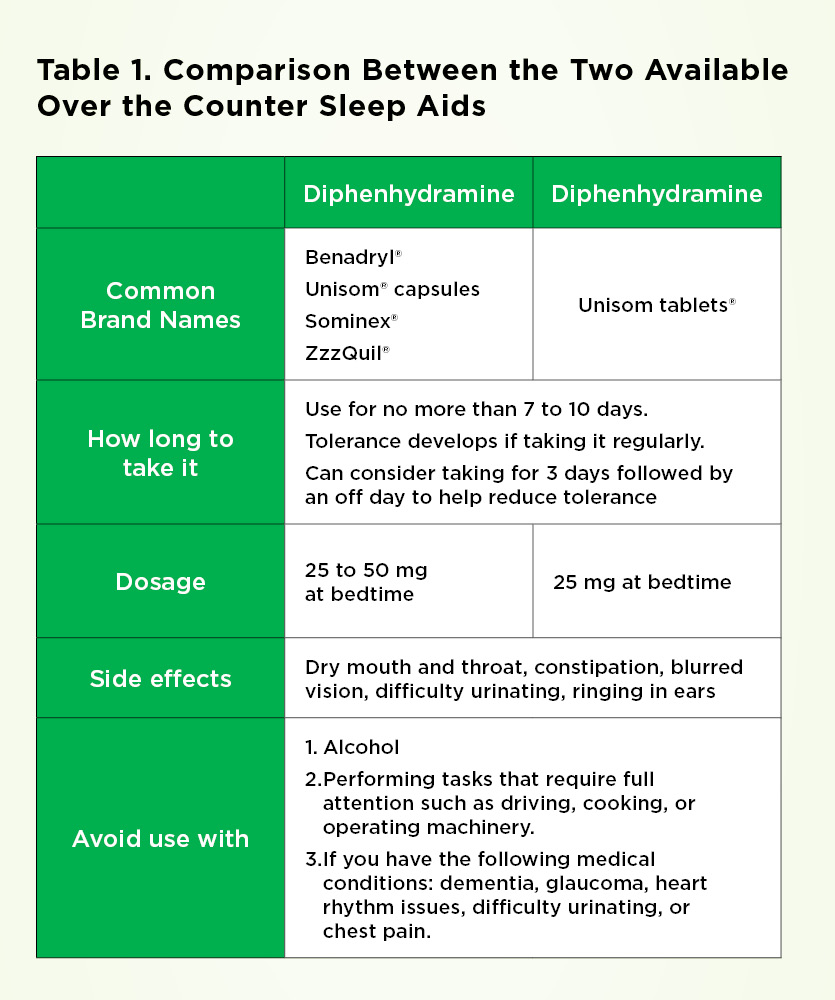
Over-the-counter sleep aids: an overview

From parkview.com

By Jennifer McCarthy, PharmD, MS, Parkview Health

How did you sleep last night? Chances are that your answer falls somewhere in the realm of ‘not nearly enough.’ You are not alone. The Centres for Disease Control and Prevention suggests the average adult needs between 7-9 hours of sleep each night, however, when surveyed approximately 35% of adults in the U.S. reported a short sleep duration.  


Many adults find themselves caught in the commotion of daily life, often balancing work, family responsibilities and social commitments. Factors such as stress, anxiety and frequent stimulation from technology can disrupt the natural sleep pattern, making it even more difficult to relax and unwind.   

Insomnia, categorised as trouble sleeping or staying asleep, is often associated with daytime consequences such as drowsiness, as well as worsening the symptoms of other chronic illnesses. Occasional short-term insomnia, lasting fewer than three weeks, affects 30-50% of the U.S. population. This can be a tricky cycle to break. Below, we’ll review how utilizing over-the-counter sleep aids in addition to improving sleep hygiene can get you back on track for a good night’s rest.  
 

Sleep hygiene   

While over-the-counter sleep aids can be useful in the short term, the most effective method to improve your rest is establishing and maintaining your sleep hygiene. Steps for doing so include:  

  • Establishing a consistent schedule even on the weekends.  
  • Creating a sleep-conducive environment that is quiet, dark, and at a comfortable temperature.  
  • Engaging in relaxing activities before bedtime, avoiding electronic devices.
  • Exercising regularly but avoiding vigorous activity within 2-4 hours of bedtime. 
  • Refraining from consuming meals within 2 hours of bedtime, and caffeine, alcohol, or nicotine at least 4-6 hours before bedtime. 
  • Swapping out a daytime nap, for another relaxing activity such as gentle stretching or practising deep breathing exercises. 

Common over-the-counter sleep aids  

Melatonin is a natural hormone that is produced in the body at night and regulates your natural sleep pattern. Production of melatonin is reduced by light. It is commonly used for issues such as jetlag or shift work-related sleep disruptions.   

 
Dosage: 0.3 to 5 mg at bedtime 

Side effects:  
 

  • Nausea or vomiting
  • Headache 
  • Fast heart rate
  • Irritability
  • Mild depression
  • Worsening of depressive symptoms
  • Morning dizziness or confusion 


Antihistamines are medications used to treat allergy symptoms by blocking the effects of histamine, which is naturally produced in the body and plays an important role in feeling awake. When this production is reduced, this can make you feel drowsy or sleepy. If using antihistamines, it’s important to read the package label as some products contain different amounts of the drug.


When to see your provider
 

There are certain circumstances of insomnia where you should not use over-the-counter treatment, and you should contact your doctor first to ensure that the use of these medications is safe and rule out other potential conditions you may have. These include if you are: 

  • Younger than 12 years old
  • Over the age of 65 
  • Are pregnant or are trying to become pregnant  
  • Waking up a lot during the night 
  • Waking up early in the morning without being able to fall back asleep  
  • Experiencing insomnia that lasts greater than 3 weeks 
  • Sleep problems secondary to a medical condition 

Achieving restorative sleep is essential for overall health and wellbeing. By prioritizing effective sleep hygiene practices and when needed incorporating over-the-counter sleep aids, individuals can proactively improve their sleep quality. Investing in your sleep is investing in your health and vitality and seeking professional guidance ensures that your sleep regimen aligns with your individual needs and circumstances.  


https://www.parkview.com/blog/over-the-counter-sleep-aids-an-overview

Friday, 1 March 2024

Restless? One of these 7 common conditions could be affecting your sleep

From peacehealth.org

Maybe you’ve turned down the lights, tucked in for the night, but find your brain won’t quiet down. Or perhaps you’ve picked up your phone at bedtime and started scrolling through social media feeds, only to emerge hours later, bleary eyed but unable to sleep.

We know a good night's sleep matters to our overall health. Yet most of us have trouble sleeping at some point. In fact, about 1 in 3 U.S. adults say they aren’t getting enough rest or sleep every day, according to the U.S. Centers for Disease Control and Prevention.

Losing out on a restful night here or there can be remedied by brushing up on your sleep habits, says Donald Berry, MD, a pulmonologist and sleep-medicine expert at PeaceHealth in Bellingham, Washington. But some people have more persistent sleep deprivation.

If that’s the case for you, Berry says it’s important to have a conversation with your healthcare provider. Research shows that long-term lack of sleep raises the risk of a number of health conditions. These include heart disease, kidney disease, high blood pressure, diabetes, stroke and depression. 

There are lots of factors that affect how well you sleep. Your primary care provider or a sleep specialist can help you find the cause and take steps to address it.

7 common sleep-related conditions

If you consistently have a hard time sleeping, take note of what’s keeping you up. It could be one of these common conditions:

  1.  Sleep apnea: People with this condition experience pauses in breathing when asleep, often with loud snoring. This leads to disrupted sleep and decreased oxygen levels. CPAP (continuous positive airway pressure) machines can help by regulating your breathing while you sleep.
  2. Insomnia: People with insomnia regularly have a hard time falling asleep or staying asleep. This lack of rest can affect your ability to function during the day.
  3. Restless leg syndrome: This condition causes an uncomfortable feeling in the leg and an irresistible urge to move them. It usually gets worse in the evening or at night.
  4. Parasomnias: This includes a range of unusual behaviors that happen during sleep. Sleepwalking, night terrors and sleep-related eating disorders are all parasomnias.
  5. Circadian rhythm disorders: This happens when disruptions in your body's internal clock make it hard to fall asleep when you want to. It can lead to excessive sleepiness at inconvenient times.
  6. Shift work sleep disorder: If you work irregular hours, it can disrupt your sleep-wake cycle. This can make it hard to get restful sleep during the day.
  7. Narcolepsy: This is a condition of the nervous system. It causes severe sleepiness, sometimes accompanied by muscular weakness. These symptoms usually arise from emotional situations.

Care for sleep-related conditions

When you get care for a sleep-related concern, your provider will work with you to gather more information about what's keeping you awake. They may recommend doing sleep study to identify your patterns of wakefulness. If that’s the case, you may have the option of doing the study at home or at a sleep center. 

PeaceHealth’s sleep centers include experts such as:

  • Pulmonologists: Respiratory health doctors.
  • Neurologists: Doctors who focus on the brain, spine and nervous system.
  • Polysomnographic technologists: Professionals who carry out, review and analyze sleep study results. They also work with patients and CPAP machine manufacturers to make sure CAP masks fit well and are not hard to use.

These providers work with you to understand your needs and priorities, so you can get the rest you’ve been missing. Depending on your diagnosis, treatment may include medication, lifestyle changes and/or devices like CPAP machines.  

The bottom line is, you don’t have to go it alone when it comes to getting a good night’s rest. Setting up good habits at home can go a long way — and so can partnering with your healthcare team for solutions tailored to your condition.

https://www.peacehealth.org/healthy-you/restless-one-these-7-common-conditions-could-be-affecting-your-sleep