Wednesday, 19 November 2025

How the Brain Moves From Waking Life to Sleep (and Back Again)

From quantamagazine.org 

Neuroscientists probing the boundary between sleep and awareness are finding many types of liminal states, which help explain the sleep disorders that can result when sleep transitions go wrong

The pillow is cold against your cheek. Your upstairs neighbour creaks across the ceiling. You close your eyes; shadows and light dance across your vision. A cat sniffs at a piece of cheese. Dots fall into a lake. All this feels very normal and fine, even though you don’t own a cat and you’re nowhere near a lake.

You’ve started your journey into sleep, the cryptic state that you and most other animals need in some form to survive. Sleep refreshes the brain and body in ways we don’t fully understand: repairing tissues, clearing out toxins and solidifying memories. But as anyone who has experienced insomnia can attest, entering that state isn’t physiologically or psychologically simple.

To fall asleep, “everything has to change,” said Adam Horowitz(opens a new tab), a research affiliate in sleep science at the Massachusetts Institute of Technology. The flow of blood to the brain slows down, and the circulation of cerebrospinal fluid speeds up. Neurons release neurotransmitters that shift the brain’s chemistry, and they start to behave differently, firing more in sync with one another. Mental images float in and out. Thoughts begin to warp.

“Our brains can really rapidly transform us from being aware of our environments to being unconscious, or even experiencing things that aren’t there,” said Laura Lewis(opens a new tab), a sleep researcher at MIT. “This raises deeply fascinating questions about our human experience.”

It’s still largely mysterious how the brain manages to move between these states safely and efficiently. But studies targeting transitions both into and out of sleep are starting to unravel the neurobiological underpinnings of these in-between states, yielding an understanding that could explain how sleep disorders, such as insomnia or sleep paralysis, can result when things go awry.

Sleep has been traditionally thought of as an all-or-nothing phenomenon, Lewis said. You’re either awake or asleep. But the new findings are showing that it’s “much more of a spectrum than it is a category.”

Riding the Brain Wave

In the 1930s, the millionaire Wall Street tycoon, lawyer and amateur scientist Alfred Lee Loomis liked to scan the brains of his guests as they napped in his upstate New York mansion. He was pioneering the use of a machine known as an electroencephalograph to study sleep. Every napper wore a cap with electrodes, which could noninvasively measure their brain activity. The machine would use a pen to physically scribble waves with peaks and troughs onto paper scrolling at a rate of 1 centimetre per second to create an electroencephalogram (EEG).
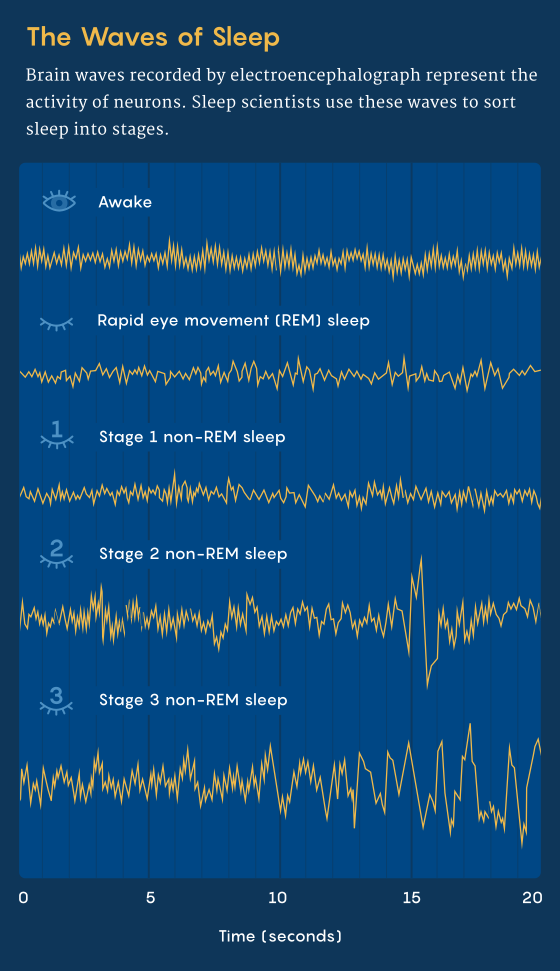
                                                Mark Belan/Quanta Magazine; Source: Neuroscience: Exploring the Brain

The waves represented the gross activity of neurons. As we fall asleep, neurons start to synchronize, which means they fire together and go silent together. (No one knows exactly why this happens.) As a person sleeps, this synchrony grows, producing brain waves that are lower in frequency and higher in amplitude. Over the course of a night’s sleep, the waves will speed up and slow down in a cyclical fashion — all night, every night. Loomis categorized the different types of brain waves into what became known as sleep states, and created a nomenclature to describe the phases of unconsciousness.

Electroencephalography catalysed sleep research. Measuring the waves recorded on an EEG became a common way for neuroscientists to infer a person’s brain or sleep state without invasive surgery. It became the go-to method for understanding both the activity of neurons as we sleep and the subjective experiences, such as dreams, that they create as we move through different forms of sleep consciousness.

In the early 1950s, the physiologist Nathanial Kleitman at the University of Chicago and his student Eugene Aserinsky first described the sleep stage categorized by rapid eye movement, or REM sleep — a cycle the brain repeats multiple times throughout the night, and during which we tend to dream. In REM sleep, brain waves are faster than in non-REM sleep and look more like those produced when we’re awake. A few years later, Kleitman and the sleep researcher William Dement, also at the University of Chicago, put together an improved sleep-stage schema: four non-REM sleep stages, based on Loomis’ original work, and one REM stage. A modified version (with the last two non-REM stages combined into a single stage) is still in use today.

However, by creating sharp boundaries, the schema obscured the subtleties of what happened between them. It became a norm in the field that “you have three options: You are either awake, in non-REM [sleep] or in REM sleep,” said Thomas Andrillon, a cognitive neuroscientist at the Paris Brain Institute.(opens a new tab)

Thomas Andrillon is part of a wave of neuroscientists exploring what happens between sleep and wakefulness. “Maybe that’s where things are interesting, actually,” he said. Karine Facon

Though there was some evidence that the brain could exist in a state that mixed sleep and wakefulness, it was largely ignored. It was considered too complicated and variable, counter to most researchers’ tightly defined view of sleep.

But little by little, a new wave of neuroscientists started questioning this status quo, Andrillon said. And they realized, “well, maybe that’s where things are interesting, actually.”

Drifting Off

Salvador Dalí might agree.

Around the time that Loomis was conducting EEG experiments in his mansion, the surrealist artist was experimenting with his own transitions into sleep. As he described it in his 1948 book 50 Secrets of Magic Craftsmanship, he would sit in a “bony armchair, preferably of Spanish style,” while loosely holding a heavy key in one palm above an upside-down plate on the floor. As he drifted off, his hands would slacken — and eventually the key would fall through his fingers. The sudden clack of the key hitting the plate would wake him.

Convinced that being aroused during this period revived his psychic being and boosted creativity, Dalí would then sit down and start painting. Other great minds, including Thomas Edison and Edgar Allan Poe, shared his interest in and experimentation with what is known as the hypnagogic state — the early window of sleep when we start to experience mental imagery while we’re still awake.

In 2021, a group of researchers at the Paris Brain Institute, including Andrillon, discovered(opens a new tab) that these self-experimenters had gotten it right. Waking up from this earliest sleep stage, known as N1, seemed to put people in a “creative sweet spot.” People who woke up after spending around 15 seconds in the hypnagogic state were nearly three times more likely to discover a hidden rule in a mathematical problem. A couple years later, another study(opens a new tab) led by Horowitz at MIT found that it’s possible to further boost creativity in people emerging from this state by guiding what they dream about.

It’s not exactly clear why hypnagogia appears to boost creativity. One possibility is that the process of falling asleep “requires us to release control over our thoughts,” said Karen Konkoly(opens a new tab), who studied lucid dreaming as a postdoctoral fellow at Northwestern University and now consults for the sleep start-up Dust Systems (co-founded by Horowitz). “As our executive control over our mind relaxes, we can perhaps access a broader semantic network of information, which could help creativity.” Andrillon agrees that the sleep transition produces a state of “free-wheeling consciousness” that unshackles the brain from its regular ways of thinking.

Like houses slowly shutting off their lights as a town falls into slumber, the brain gradually turns to night mode. Sleep starts at the centre of town: Neurons deep in the brain, such as those in the ancient control centre known as the hypothalamus, fire signals to suppress arousal circuits. Nearby brain regions such as the thalamus, which relays information from your senses to the rest of your brain, shut off first. Minutes later, the cortex, which is involved in more conscious, high-order thinking, follows suit(opens a new tab). It shuts down from the front of the brain, where planning and decision-making occurs, to the back, where senses such as vision are analysed.

During this transition, as some parts of the brain shut down while other parts remain awake, we can sometimes experience dreamlike thoughts. In this hypnagogic state, many people are “one foot in dreams and one foot in the world,” Horowitz said. Some people hear things; others have visions. These are like dreams but lighter: projections against the scaffold of the real world, which is still in our grasp.

“We could think that there’s a function” to these mental experiences, said Sidarta Ribeiro(opens a new tab), a neuroscientist at the Federal University of Rio Grande do Norte in Brazil. “But maybe there isn’t. Maybe it’s a by-product of what’s going on in the brain.”
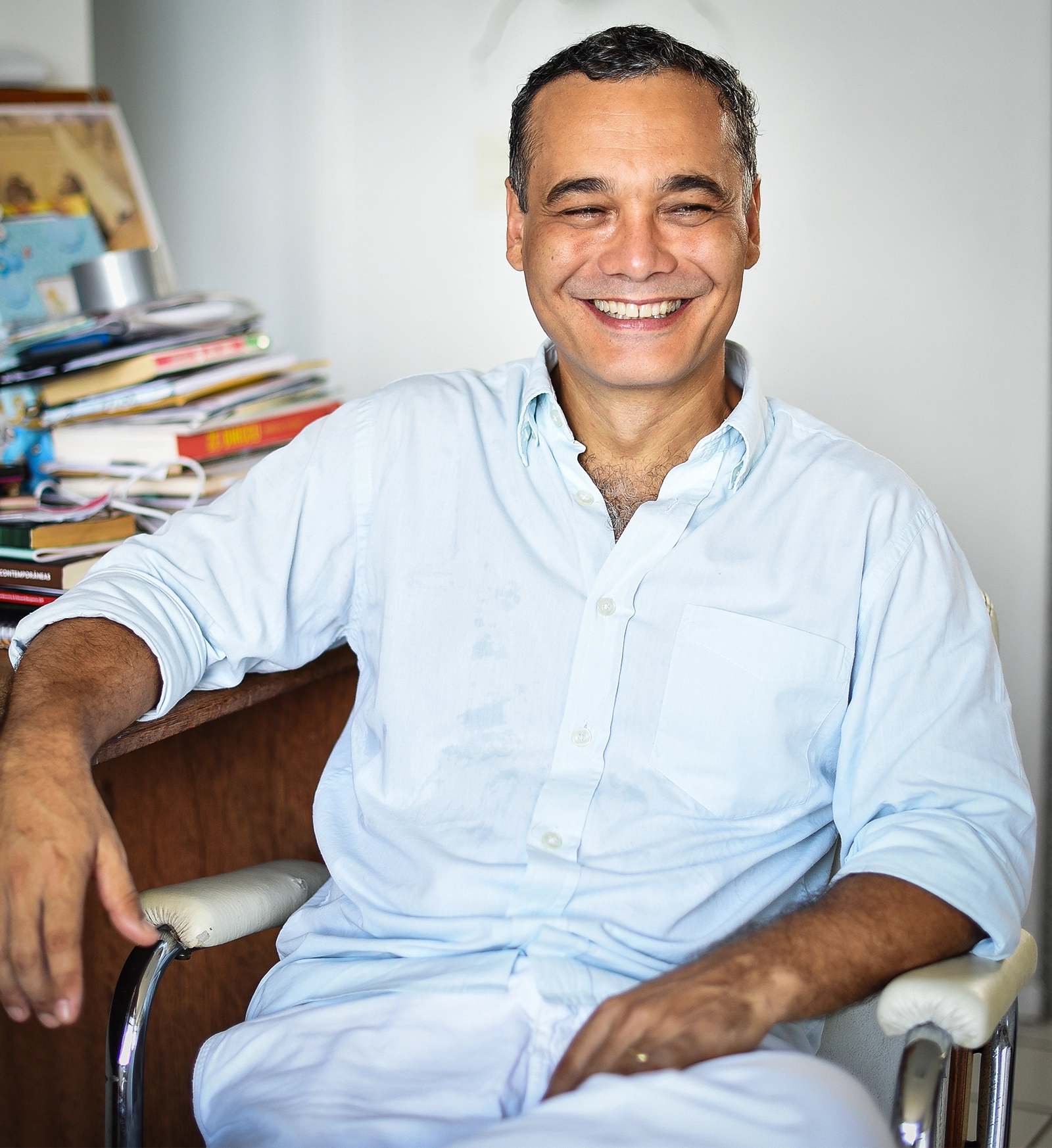
A portrait of Sidarta Ribeiro

Sidarta Ribeiro and his team showed how daytime experiences can show up in hypnagogic imagery early in the process of drifting to sleep.     Elisa Elsie

With your eyes shut and your senses powering down, you’re no longer getting much input from the outside world. But you’re still getting signals from inside the brain, maybe remnants of the day’s experiences. Ribeiro and his team recently reported(opens a new tab) that a person’s daytime experience can show up in hypnagogic imagery early in the process of drifting to sleep, adding to other studies(opens a new tab) that made similar findings.

Some researchers are using this state between sleep and wakefulness to study the nature of consciousness itself. “If you can track what’s going on in the brain when you go from those two opposite worlds, that would give you a lot of insights as to how consciousness fluctuates,” said Nicolas Decat(opens a new tab), a graduate student studying sleep and consciousness at the Paris Brain Institute. In preliminary research that’s not yet peer-reviewed, Decat used an EEG to record the brain waves of more than 100 people as they were falling asleep. Following the techniques of Dalí and Edison, he had participants hold bottles so that as they drifted off, the bottles would fall and make a sound to wake them up.

Nicolas Decat’s research into the process of falling asleep found that the line between dreams and reality is blurry. Karine Facon

By comparing the participants’ brain waves with their self-reports about what crossed their minds, Decat realized that some dreamlike imagery had occurred while they were technically awake, and some voluntary thinking had occurred while they were technically sleeping. For example, one participant reported ants crawling on her back even as the EEG documented the fast and frequent brain waves of wakefulness. Another reported having conscious thoughts about how they were falling asleep while they were technically asleep, based on slow and infrequent brain waves.

The unpublished data suggests that sleep states may not be the best way to categorize sleep consciousness. “Being awake or asleep does not fully determine what crosses your mind,” Decat said. The data “challenges the popular view that when you’re awake, you have certain thoughts. When you’re asleep, you have dreamlike imagery. It’s not necessarily like that.”

The transition to sleep can last for tens of minutes. That means it’s fairly easy for researchers to study — far easier than the process of waking up, which happens much more quickly and in a less controlled way. It’s much harder to predict when someone’s going to wake up.

Good Morning, Sunshine

Aurélie Stephan(opens a new tab), a postdoctoral researcher at the University of Lausanne in Switzerland, grew interested in the wake-up process when she was studying a phenomenon known as paradoxical insomnia. Unlike people with insomnia, who are up all night without sleeping, people with paradoxical insomnia believe that they’re up all night even though their brain waves show that they’re asleep. “They sleep as much as good sleepers … so it’s a mystery,” Stephan said.

To understand this problem, she needed to first study a more typical wake-up process. When a good sleeper wakes up, what is their brain doing?

The sleep researcher Laura Lewis believes that sleep disorders such as insomnia are “defined by problems with the state switching” between sleep and waking life. Courtesy of Laura Lewis

In a recent study(opens a new tab), she examined more than 1,000 different awakenings or arousals — transitions from being asleep to being awake — on a timescale of seconds. She observed a curious slow brain wave in the data from good sleepers as they woke from non-REM sleep. Based on past animal studies, Stephan and her team hypothesized that this slow wave emanated from a spot deep in the brain.

After this signal, she saw the cortex wake up (as brain waves grew faster) from the front, which manages executive function, to the back, where vision and other senses are processed. When people woke from REM sleep, their cortex woke up in the same way, but without the preceding slow wave.

The presence of this unique slow wave was correlated with how people felt when they awoke, Stephan found. Participants who showed the signal woke up less drowsy than those without it. This suggested, but didn’t prove, that this might be an arousal signal that assists the wake-up process, Stephan said.

“They have done a very good job of finding this signature of the sleep-to-wake transitions,” said Luis de Lecea(opens a new tab), a molecular biologist who studies sleep transitions in animals at Stanford University and was not involved with the study. They created a “detailed portrait,” Lewis said, and showed why “we don’t always wake up the same way.”

Still, EEG readings are coarse and can’t probe the deep brain or provide great detail. However, previous studies that used fMRI(opens a new tab) and electrodes(opens a new tab) unearthed some of the deeper mechanisms from which such arousal signals might arise. They found that neural signals for waking begin in deep, inner regions of the brain, such as the hypothalamus and the brainstem. These areas wake up the thalamus, which projects the instructions to the cortex.

Though typically faster than falling asleep, waking up can also take some time. Stephan’s sleep signature took a few seconds to travel from the front of the cortex to the back. But recovering consciousness and cognitive abilities, and shedding all sleep inertia, can take minutes to an hour, she said. This study and others also showed that slow waves, usually associated with sleep, can sometimes indicate arousal. The lines are blurry.

Even when we think we’re fully awake and wandering about the world, parts of our brain could be sleeping. This phenomenon, known as local sleep, is thought to occur so that overworked neurons in the brain can rest and be refreshed. It is not unlike how dolphins can sleep with only one brain hemisphere at a time or how some birds sleep on the wing. Sometimes when we’re really tired, some neurons need to refresh and recharge, even if we’re still up and going about our day.

“These people are awake. They have their eyes open. They can be even doing things,” Andrillon said. And yet parts of their brain are undergoing the classic slow waves of sleep. Given that, local sleep challenges what “sleep” actually is.

Troubled Transitions

As we wake up and fall asleep, or even move between sleep states, different types of waves happen at the same time, as neurons synchronize and desynchronize in different regions, in a cacophony of rhythms. This mosaic can lead to experiences such as hypnagogia, lucid dreaming and sleep disorders.

“Sleep disorders are incredibly common,” Lewis said. “They really are often defined by problems with the state switching.”

These disorders might manifest as insomnia, where people don’t fall asleep properly, or as night terrors, sleep paralysis or sleepwalking, where they don’t awaken as expected. In many cases, parts of the brain are awake when they should be sleeping, or vice versa.

Insomnia is fundamentally a difficulty with initiating the transition into sleep or maintaining it. In sleep paralysis, the cortex wakes up before deeper brain regions that control the body, resulting in full consciousness without the ability to move. In paradoxical insomnia, the potential arousal signal Stephan observed in her new study is weak, “so instead of waking them up completely it makes them feel awake,” she said. Her team found the same signal in sleepwalkers, but in those cases it happened “in an inappropriate time window” during deep sleep, she said. They also found that the brain activity of sleepwalkers(opens a new tab) is similar to that seen during dreaming, suggesting that both states result from similar mechanisms of sleep consciousness.

Decat is continuing to probe what that sleep consciousness looks like. He is running a survey(opens a new tab) to learn more about the mental experiences people have while falling asleep. Those thoughts and mental images can be hard to remember because to do so, we have to wake up.

Sometimes we wake up right as we’re falling asleep or from the depths of our sleep cycle — times we’re not really supposed to. Maybe it’s a bedmate turning in their sleep that disturbs us. Maybe it’s the clink of keys on a hard floor. Maybe it’s the brain itself, miscalculating when it’s supposed to arouse certain regions.

Your sleep consciousness is disrupted. You pull back from the edge of sleep, and your eyes blink open.

https://www.quantamagazine.org/how-the-brain-moves-from-waking-life-to-sleep-and-back-again-20251017/

Saturday, 15 November 2025

How often you actually need to replace your pillows, according to sleep specialists

From hellomagazine.com

HELLO! asked the experts how long a pillow should last and how to was them to ensure they are not contributing to skin breakouts and a disrupted sleep cycle


Pillow hygiene is probably something we don't tend to give too much thought to but it's about time that we all started to take the cleanliness of our sleeping aids a lot more seriously. Despite being protected by pillow cases and other additions to dress up our beds and make them look pretty, the actual pillow itself can harbour germs and become problematic for your skin. The lifecycle of a pillow is only one to two years, a shocking timeline that I certainly had no idea about. We're all guilty of fostering pillows for way longer than we should, but why is it so vital that they are changed? I asked the experts on behalf of HELLO! readers to find out what is so wrong with an old pillow and why they are ruining our sleep and our skin. 

How often should you replace your pillows

Despite what we know about the importance of regularly changing bed sheets and pillow cases, it's amazing how much we forget about the lifespan and cleanliness of the actual pillow itself. Unfortunately, no matter how much we love our down and feather pillows, experts unanimously recommend swapping out your old pillows for new ones every one to two years. This is to maintain both hygiene but also neck and head support. 

Of course, the different fillings found in pillows will affect this recommended timeline. Dr Chris Mosunic recommended to Calm Sleep that: 

  • "Synthetic or polyester pillows tend to wear out faster (often needing replacement after just 12–18 months)
  • More durable materials like memory foam can last two to three years
  • Latex can last even three to four years, depending on quality." 

Hannah Shore, Head of Sleep Science at Mattress Online, shared her advice with HELLO! on how to test the quality of your pillows. She said: "There are three quick tests you can do to see if your pillow is still giving you the right amount of support:

  • Folding it in half - If your pillow doesn't expand to its original shape when you fold it in half, you might need a new pillow. This test is made for hollowfibre and synthetic pillows.
  • Saddlebag test - This test involves you placing your pillow over your extended arm. If it flops over your arm and doesn't hold its shape (like a saddlebag), it's time for a new pillow. Again, this test is more suited for hollowfibre and synthetic pillows.
  • Press test - Press your hand into your pillow. If it doesn't spring back to its original shape or takes too long to reform, it might be time for a new one. This test is more for foam pillows."

Registered nurse and independent nurse prescriber Georgina Gleen works extensively in anti-ageing and skin health and recommended: "From a clinical point of view your pillow really only has an effective lifespan of around one to two years! Most people are surprised by this. Over time it naturally loses structure which means it stops supporting the head and neck properly. When that happens you'll probably find yourself waking up feeling abit stiff or find yourself having headaches. It can also contribute to poor sleep posture and disturbed sleep that feels very close to insomnia." 

Young beautiful woman with long hair woke up in bed at home© Getty Images
A pillow should be washed in the washing machine on a gentle cycle

How to wash pillows 

Like most things, every so often, all it needs is a good scrub and your precious pillow is no different. Aside from collecting dust, sweat and skin particles, your pillow may be triggering allergies or contributing to skin problems while you sleep. Georgina explained: "From a skin health perspective, an older pillow presents another problem. Even with washing your pillowcases the pillow beneath will gradually collect things like oils, sweat, dead skin cells and environmental bits."

She continued: "This build up creates a warm, damp environment that bacteria thrive in. For people who struggle with breakouts, congestion or even just unexplained skin irritation, looking at the pillow you're using is something I would recommend. Sleeping on a pillow that has lost volume or has accumulated years of debris means the skin is repeatedly exposed to irritants for hours and hours at a time which can actually undermine the skin barrier."

So, how do we ensure that our pillows aren't breaking out our skin? Start by checking the care label attached to the outside of the pillow. Usually memory foam pillows should never be machine washed, while down or polyester pillows can for the most part. Take off any pillowcases and protective covers, and inspect the pillow for any weak seams that would lead to the filling escaping while in the washing machine. Use a mild liquid detergent and wash on a gentle cycle with warm water, adding an extra rinse if possible to remove all soap residue. Dry thoroughly on a low-heat setting or air-dry in the sun to prevent mould and odours. 

https://www.hellomagazine.com/healthandbeauty/health-and-fitness/867592/how-often-replace-pillows-sleep-specialist/ 

Wednesday, 12 November 2025

Struggling to sleep? Experts identify the perfect music to listen to in bed to beat insomnia

From dailymail.co.uk

If you're a victim of disturbed sleep, you could be in luck - one expert may have solved the mystery of why you can't nod off.

Sleep scientists have long suggested banning all technology before bed, cutting out caffeine and having the same number of fixed hours kip every night as simple ways to combat insomnia.

But now, Chinese researchers have claimed that music therapy may 'significantly' improve sleep quality among adults over 50.

According to the scientists, who tracked more than 600 adults, patients who attended sessions that involved them often listening to slow-tempo instrumental or classical music for up to an hour at a time, achieved enough shuteye. 

The experts said they could not prove exactly how the sessions helped insomnia. 

They suggested, however, that music may influence how the brain regulates emotion and it could 'address the emotional disturbances' often seen in older adults with sleep disorders. 

Music has also been shown to reduce cortisol levels, heart rate, and respiratory rate, relaxing the body which could help with falling asleep, they noted. 

Writing in the journal PLoS One, the scientists from Ningxia Normal University in Guyuan, said: 'Music interventions represent a promising non-drug approach for improving sleep quality in older adults - particularly given concerns with long-term drug treatments.'

In the study, the researchers analysed the findings of 10 different studies involving 602 adults who undertook music therapy.

Most interventions involved passive listening to slow-tempo instrumental or classical music - between 60 to 85 beats per minute - for between 20 to 60 minutes per session.

The frequency of these sessions also varied, with some patients having a single session, while others undertook just over three months worth. 

The scientists found a mean difference of -0.79 overall, meaning there was a 'moderate to large' improvement to their insomnia when music therapy was used. 

However, two of the studies were assessed as having 'serious risk of bias due to confounding factors', they noted. 

'Music may also help form new psychological associations with bedtime, replacing bad habits that interfere with sleep', the researchers concluded. 

But they acknowledged that further, larger, 'rigorous' studies which had longer follow-up periods, were vital to further assess the effectiveness of music therapy treatment. 

Research has long suggested that music has the power to concentrate, even soothe a headache or control chronic pain.


Scientists say that different frequencies of music tell the brain to do certain things. 

For example, a high-frequency sound, such as an alarm or scream, will trigger the release of adrenaline, the hormone that prepares you for action. 

Meanwhile, low-frequency music - in other words, a low-pitched sound or low notes, may encourage the brain to slow down.

People often take around 10 to 20 minutes normally to nod off after turning off the lights, the Sleep Foundation also say.

Last year, a study found that around one in six Brits suffer insomnia, yet 65 per cent never seek help for their sleep problem.

The poll of 2,000 people, by The Sleep Charity, found nine in ten experience some sort of sleep problem, while one in two engage in high-risk or dangerous behaviours when unable to sleep.

Poor sleep has been linked to a number of health problems, including cancer, stroke and infertility.

Experts have long advised that waking up during the night does not necessarily mean you have insomnia, which figures suggest affects up to 14 million Brits.

Still, sleep deprivation takes its own toll, from irritability and reduced focus in the short term, to an increased risk of obesity, heart disease and diabetes.

According to the American Sleep Association, nearly 70 million Americans also have a sleep disorder.

https://www.dailymail.co.uk/health/article-15280947/sleep-Experts-perfect-music-listen-bed-insomnia.html 

Saturday, 8 November 2025

5 reasons why women's sleep is more disturbed than men's - how to minimise the 'sleep gap'

From hellomagazine.com

It turns out there's a gender gap when it comes to sleep. Sleep experts have shared why women are disturbed more in the night than men...


Sleep is one of the most important factors when it comes to our health. In addition to movement and what we eat, sleep is a powerful tool to ensure our physical and cognitive well-being is in good shape. We all know, therefore, how crucial it is to get a good night's sleep, and we also know how awful it feels when we don't. But it seems there's a gender gap in getting a decent night's sleep. Research outlined by Curely, an online pharmacy, found that women are significantly more likely to experience disturbed sleep than men.

What's more, the Sleep Foundation states a similar point of view: "Women are also thought to be more vulnerable to health effects from poor sleep, such as mood disorders or heart problems. And while women don't universally require more sleep than men, certain issues specific to people born female can cause sleep problems and increase the risk of sleep disorders."

                                                                                                                                © Getty Images

Sleep Foundation also states that women are 40 per cent more likely to suffer from insomnia than men. So why is this the case? Experts say there are a few reasons…

Stress load and cognitive burden

Many of us, of all genders, know the feeling of getting into bed and struggling to switch our brain off. It can take hours for the racing thoughts to quieten. However, there's a theory that suggests that women are more likely to struggle to return to a peaceful slumber.

Superintendent Pharmacist at Curely, Sobia Qasim, explains the science and psychology behind the 'sleep gap', and the results reveal a mix of lifestyle, biological, and social pressures that each affect women’s sleep in their own way.

"From remembering key events at school to planning meals and managing work, women's brains often stay active even as they try to relax for the evening. This is known as 'cognitive arousal', as stress and responsibility replay in the mind during sleep. The main stress hormone, cortisol, also tends to increase more in women in response to emotional stressors, making it harder to fall back asleep once woken."

Brain structure and circadian rhythms

Sobia suggests that neurological differences are partly to blame for an imbalance of sleep quality between women and men. "Women's circadian cycles are slightly shorter than men’s, meaning they might feel sleepier earlier in the evening; however, they are also biologically primed to wake up earlier in the morning. Also, women spend more time in less deep and restorative slow-wave sleep."

Audrey Wells, Sleep Medicine Physician, CPAP Expert and MD at Sleep Foundation, says: "Women often feel heavily burdened by social expectations and the responsibilities placed on them. These invisible burdens can weigh on a woman’s mind and interrupt sleep, because they generate emotions that are incompatible with sleep."

Bladder sensitivity

Sobia says that bladder sensitivity generally affects women more and they're more likely to wake in the night with a need to use the bathroom. "Hormonal changes, pregnancy, and childbirth all affect bladder function and pelvic floor strength, making it more likely for night-time bathroom trips. The issue is that by the time women have woken up, it takes them a longer amount of time to get back into a deep sleep than men."

Couple sleeping peacefully in their bed at home© Getty Images
Women often feel heavily burdened by social expectations and the responsibilities placed on them therefore struggle to switch off at night

Sharing a bed

Because we know already that women are, generally, "lighter" sleepers than their male counterparts, women who share a bed with a male partner have a higher chance of being disturbed by the presence of someone else in their bed. "Women are significantly more likely than men to be woken up by their partner's snoring or movement."

Pregnancy and postpartum

Rachel Avery, HELLO!'s Homes Editor, gives her own personal take on this experience, particularly for women who are mothers. "I think my mother's instinct means my sleep is more disturbed as quite often it will be me who will hear our toddler stirring in the night. Then, thinking back to maternity leave, I chose to take on the lion's share of the wake-ups due to my partner having a full-time job, and I think this is probably a common occurrence in couples, causing an inequality."

What can we do about it?

Sleep Foundation lists some tips on getting a better night's sleep. Sweet dreams!

  • Going to bed and waking up at the same time every day
  • Keeping the bedroom cool, dark, and quiet
  • Establishing a relaxing bedtime routine
  • Avoiding naps, caffeine, tobacco, and alcohol in the late afternoon and evening
  • Getting regular exercise

Thursday, 6 November 2025

Popular Sleep Supplement Could Be Harming Your Heart, Doctors Warn

From scitechdaily.com 

A five-year review of over 130,000 adults with insomnia found that long-term melatonin use was linked to a higher risk of heart failure and death, prompting researchers to call for further study into its cardiovascular safety.

People who regularly used melatonin supplements for at least a year were found to have a higher likelihood of being diagnosed with heart failure, being hospitalized for heart failure, or dying from any cause compared with those who did not use the supplement.

The finding comes from a preliminary study that will be presented at the American Heart Association’s Scientific Sessions 2025, held November 7–10 in New Orleans.

Melatonin is a hormone produced naturally by the pineal gland in the brain, where it helps control the body’s internal clock and the cycle of sleep and wakefulness. Levels rise at night and drop during the day. Synthetic melatonin, which is chemically identical to the natural hormone, is commonly taken to help with insomnia (difficulty falling and/or staying asleep) and jet lag. The supplement can be purchased without a prescription in many countries, including the United States. However, because over-the-counter products in the U.S. are not regulated, the amount and purity of melatonin can differ significantly between brands.

New research suggests that long-term melatonin use for insomnia could increase risks of heart failure and death, challenging the supplement’s reputation as a safe, natural sleep aid. Credit: Shutterstock

For this research, scientists reviewed electronic health records and grouped participants according to their melatonin use. Individuals who had documented use of melatonin for one year or longer were placed in the “melatonin group.” Those who had no record of melatonin use in their medical files were categorized as the “non-melatonin group.”

“Melatonin supplements may not be as harmless as commonly assumed. If our study is confirmed, this could affect how doctors counsel patients about sleep aids,” said Ekenedilichukwu Nnadi, M.D., lead author of the study and chief resident in internal medicine at SUNY Downstate/Kings County Primary Care in Brooklyn, New York.

Why Researchers Investigated Melatonin’s Heart Effects

Melatonin supplements are widely advertised as a safe and natural way to improve sleep. However, there has been little research on how long-term use might affect heart health. This gap in knowledge led scientists to investigate whether taking melatonin regularly could influence the risk of developing heart failure, particularly among people with chronic insomnia.

According to the American Heart Association, heart failure occurs when the heart is unable to pump enough oxygen-rich blood to meet the body’s needs. The condition is common, affecting about 6.7 million adults in the United States.

To explore a possible connection, researchers analyzed data from the TriNetX Global Research Network, a large international database of electronic health records. They examined five years of records from adults with chronic insomnia who had documentation of melatonin use lasting more than one year. These participants were compared with others who also had insomnia but no record of taking melatonin. Individuals were excluded from the study if they already had a diagnosis of heart failure or had been prescribed other types of sleep medication.

The main analysis found:

  • Among adults with insomnia, those whose electronic health records indicated long-term melatonin use (12 months or more) had about a 90% higher chance of incident heart failure over 5 years compared with matched non-users (4.6% vs. 2.7%, respectively).
  • There was a similar result (82% higher) when researchers analyzed people who had at least 2 melatonin prescriptions filled at least 90 days apart. (Melatonin is only available by prescription in the United Kingdom.)

A secondary analysis found:

  • Participants taking melatonin were nearly 3.5 times as likely to be hospitalized for heart failure when compared to those not taking melatonin (19.0% vs. 6.6%, respectively).
  • Participants in the melatonin group were nearly twice as likely to die from any cause than those in the non-melatonin group (7.8% vs. 4.3%, respectively) over the 5-year period.

“Melatonin supplements are widely thought of as a safe and ‘natural’ option to support better sleep, so it was striking to see such consistent and significant increases in serious health outcomes, even after balancing for many other risk factors,” Nnadi said.

Expert Reactions

”I’m surprised that physicians would prescribe melatonin for insomnia and have patients use it for more than 365 days, since melatonin, at least in the U.S., is not indicated for the treatment of insomnia. In the U.S., melatonin can be taken as an over-the-counter supplement and people should be aware that it should not be taken chronically without a proper indication,” said Marie-Pierre St-Onge, Ph.D., C.C.S.H., FAHA, chair of the writing group for the American Heart Association’s 2025 scientific statement, Multidimensional Sleep Health: Definitions and Implications for Cardiometabolic Health.

St-Onge, who was not involved in this study, is a professor of nutritional medicine in the division of general medicine and director of the Center of Excellence for Sleep & Circadian Research in the department of medicine at Columbia University Irving Medical Center in New York City.

The study has several limitations. First, the database includes countries that require a prescription for melatonin (such as the United Kingdom) and countries that don’t (such as the United States), and patient locations were not part of the de-identified data available to the researchers. Since melatonin use in the study was based only on those identified from medication entries in the electronic health record, everyone taking it as an over-the-counter supplement in the U.S. or other countries that don’t require a prescription would have been in the non-melatonin group; therefore, the analyses may not accurately reflect this.

Hospitalization figures were also higher than those for initial diagnosis of heart failure because a range of related diagnostic codes may be entered for the hospitalization, and they may not always include the code for a new diagnosis of heart failure. The researchers also lacked information on the severity of insomnia and the presence of other psychiatric disorders.

Interpreting the Results

“Worse insomnia, depression/anxiety, or the use of other sleep-enhancing medicines might be linked to both melatonin use and heart risk,” Nnadi said. “Also, while the association we found raises safety concerns about the widely used supplement, our study cannot prove a direct cause-and-effect relationship. This means more research is needed to test melatonin’s safety for the heart.”

Study details, background and design:

  • The study included 130,828 adults (average age of 55.7 years; 61.4% women) diagnosed with insomnia.
  • The study data was from TriNetX, established in 2013, a growing global network of real-world, de-identified patient data available for research.
  • 65,414 participants had been prescribed melatonin at least once and reported taking it for at least a year.
  • A second group of people were examined for comparison (control group) — those who had never been prescribed melatonin and were matched to the group taking melatonin on 40 factors including demographic information, health conditions and medications.
  • Participants were excluded if they had already been diagnosed with heart failure or had been prescribed other types of sleeping pills such as benzodiazepines.
  • The melatonin and control groups were matched for age, sex, race/ethnicity, heart and nervous system diseases, medications for heart and nervous system diseases, blood pressure, and body mass index. Researchers looked at electronic medical records from the five years after the matching date.
  • For the main findings, records were searched for codes related to an initial diagnosis of heart failure. Secondary findings included codes for hospitalization related to heart failure or death.
  • Following the initial analyses, researchers validated the credibility of their findings by conducting a sensitivity analysis. This involved slightly changing the criteria: they required participants in the melatonin group to have filled at least two melatonin prescriptions that were at least 90 days apart. This adjustment aimed to determine whether the extended duration of confirmed melatonin prescriptions influenced the outcomes.

Sunday, 2 November 2025

Insomnia? Avoid This Common Strategy If You're Older, Experts Say

From healthday.com 

Key Takeaways

  • Prescription sleep drugs are impairing the physical and brain health of aging Americans

  • A person's lifetime rate of falls should decline by nearly 9% if seniors stop taking sleep drugs

  • People also would have sharper minds, longer life expectancy and more money, researchers project


Middle-aged adults and seniors would age more gracefully — and save a few bucks – if they lay off prescription sleep medications, a new study says.

Avoiding sleep drugs would reduce older Americans’ lifetime rate of falls by nearly 9% and brain decline by 2%, researchers report in the upcoming December issue of The Lancet Regional Health-Americas.

It also would increase life expectancy by more than a month and save folks thousands of dollars, researchers said.

“Our results show reducing use of sleep medications could help older adults live healthier lives with fewer limitations,” lead researcher Hanke Heun-Johnson, a research scientist at the USC Schaeffer Center for Health Policy & Economics, said in a news release.

More than 15 million Americans 50 and older take prescribed sleep meds, including benzodiazepines and sedative-hypnotic drugs like Ambien, researchers said in background notes.

Guidelines discourage long-term use, but docs often prescribe these drugs for long periods anyway, researchers said.

Insomnia affects as many as 50% of people over 65, increasing their risk of depression, anxiety, heart disease, high blood pressure and brain decline, researchers said.

However, sleep drugs increase the risk of broken bones from falls, sleepwalking, night terrors and cognitive impairment, researchers said.

For the new study, researchers developed the “Future Elderly Model” to project the impact of sleep drug use among older adults.

Using two decades’ worth of data from the federal Health and Retirement Study, researchers analysed current use of sleep meds and how people might fare if everyone stopped using them.

They found that people 65 to 74 had the largest potential benefit from avoiding sleep drugs, in terms of brain and physical health.

Seniors also would save about $6,600 on acreage across their lifetime, mostly from improvements in their quality of life, researchers said.

People would do better to try cognitive behavioural therapy for insomnia, which teaches better sleeping habits, researchers said. It’s just as effective as sleep drugs in the short-term and more effective in the long run, and can be delivered through an app.

“Insomnia is a serious issue for many older adults, but regular use of sleep medication can pose real risks,” senior researcher Jason Doctor, a senior scholar at the Schaeffer Center, said in a news release. “Supporting physicians in reducing prescriptions and promoting safer, proven alternatives will ultimately benefit patients and society.”

More information

The Sleep Foundation has more on cognitive behavioural therapy for insomnia.

What This Means For You

People with insomnia should talk to their doctor about cognitive-behavioural therapy to help them sleep better.

https://www.healthday.com/health-news/sleep-disorder/insomnia-avoid-this-common-strategy-if-youre-older-experts-say