Sunday, 19 October 2025

It’s time to address your insomnia — doing so could protect you against dementia, study says

From edition.cnn.com

Addressing insomnia isn’t just a fight against tomorrow’s mid-afternoon fatigue –– it could help protect against brain aging in the future, new research suggests.

Sleep difficulties are common, with 12% of Americans saying they have been diagnosed with chronic insomnia, according to the American Academy of Sleep Medicine.

Unlike genetic and other factors that go into cognitive health that are not under your control, insomnia may be one condition you can do something about, according to a study published Wednesday in the journal Neurology.

“The main takeaway for this study is that chronic insomnia may be a modifiable risk factor for cognitive decline,” said lead study author Dr. Diego Carvalho, assistant professor of neurology and sleep specialist at the Mayo Clinic Center for Sleep Medicine in Rochester, Minnesota. 

For this research, 2,750 people underwent about five years of annual neurological assessments and brain imaging along with evaluations of sleep habits to investigate the association between insomnia and brain changes.

Insomnia was found to be linked to a 40% increased risk of cognitive impairment, according to the data. People who had insomnia but increased their sleep time or utilized medication did not experience the same detriment to their cognitive health.

“We can’t say for sure that treating insomnia will necessarily reduce those risks, because we lack that data … but I think there is a growing interest in that potential venue,” Carvalho said.

How insomnia hurts brain health

Insomnia is the most common sleep disorder Dr. Rachel Salas sees in the Johns Hopkins Center for Sleep and Wellness –– and the condition involves more than just having trouble falling asleep, she said.

“It can encompass problems with sleep maintenance and quality, which can affect daily functioning and overall health. Chronic insomnia is associated with an increased risk of various cognitive disorders,” said Salas, professor of neurology at the Johns Hopkins University School of Medicine in Baltimore. She was not involved in the research.
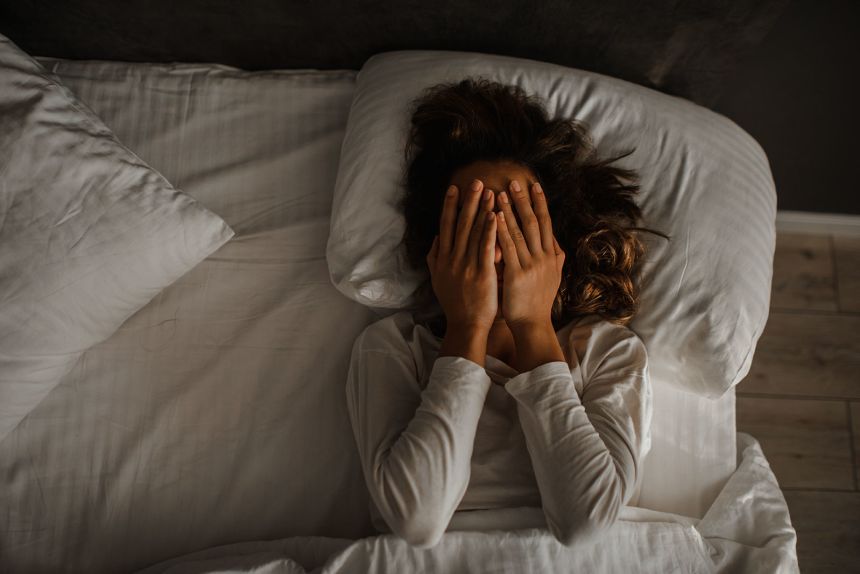
Insomnia was associated with an increased risk of cognitive impairment, the study found.

Good sleep is vital for good brain health in many ways. Sleep helps clear the synapses you don’t need, so that your brain isn’t overloaded. Research also suggests that as the day goes on, waste accumulates in the brain that sleep helps clear out, Carvalho said.

The accumulation of some of those proteins are markers for Alzheimer’s disease, he added.

Sleep is also essential for memory consolidation, emotional regulation and overall brain recovery, Salas said. “Inadequate or poor-quality sleep can lead to increased neuroinflammation and impaired synaptic plasticity, factors that contribute to cognitive decline,” she added.

Not enough treatment

Insomnia is common, but it doesn’t always get the attention it deserves.

People older than age 65 are much more likely to have a sleep disorder, Salas said. However, older people are more likely to perceive poor sleep as a normal part of aging, Carvalho added.

While it is true that age is associated with some changes in sleep, insomnia goes beyond that, he said. Problems with initiating sleep, maintaining it, impairments during the day, fatigue, moodiness, cognitive issues and problems thinking are not what should be expected as you get older, Carvalho said.

For many demographics, insomnia tends to be underreported by patients, under-recognized and, as a result, undertreated, he added.

How to get to sleep

The hope is that treating insomnia more will both improve people’s quality of life as well as protect their brain aging as they get older, Carvalho said.

Fortunately, simple interventions can effectively address insomnia, he added.

The primary mode of treatment is cognitive behavioural therapy for insomnia, or CBTI. It’s not talk therapy around previous experiences. Instead, CBTI is a set of principles, tools and guidance targeting issues that lead to or perpetuate insomnia, Carvalho said.

Establishing a consistent sleep schedule and practicing relaxation techniques before bed can be helpful, Salas said. The right environment is also important, she added.

“Make your room like a cave,” said Dr. Cheri D. Mah, a sleep physician specializing in the sleep and performance of elite athletes, in a previous story. Mah was not involved in the research. “You want it to be really dark, quiet and cool — as well as comfortable.”

Limiting screen time before bed, limiting caffeine and alcohol, not spending too much time in bed while awake, and getting exercise can all help set you up for success at bedtime, Carvalho said.

If you continue to struggle with insomnia after making some behavioural changes, consult with a doctor or sleep specialist, Salas said.

“Everyone is looking for a single pill that improves their sleep, and it’s true that some patients may need medication as well if the strategies do not work for them. But even for the patients that go into medication route, they still need to be cautious about their behaviours,” he said.

“The whole treatment of insomnia has to be comprehensive.”

https://edition.cnn.com/2025/09/11/health/insomnia-dementia-study-wellness

Sunday, 12 October 2025

How Poor Sleep Worsens Arthritis Pain And What You Can Do About It

From news18.com

Chronic arthritis pain not only limits mobility but also disrupts sleep patterns. This leaves patients feeling exhausted, irritable, and trapped in a vicious cycle

Arthritis affects millions worldwide, but one of its lesser-known consequences is its impact on sleep. Chronic joint pain doesn’t just limit mobility. It can also disrupt sleep patterns, leaving sufferers exhausted, irritable, and stuck in a cycle where pain and insomnia amplify each other. The result is a daily struggle where fatigue worsens discomfort, and discomfort prevents restorative rest, creating a loop that can feel impossible to escape.


Pain And Sleep – Two Sides Of The Same Coin

“Many arthritis patients complain they haven’t had a good night’s sleep in months, sometimes years. The pain keeps them awake, and when they don’t sleep well, their joints hurt even more the next day. It’s a vicious cycle. Our body needs deep sleep to repair tissues and control inflammation, and when you can’t rest, healing never happens," says Dr Ketan Shah, Joint Replacement Surgeon at Prabhukrupa Hospital, Rajkot.

Dr Sanket Diwanji, Robotic Joint Replacement Surgeon at the Knee and Hip Clinic, Surat, adds, “Sleep and pain are closely connected in ways most people don’t realise. When you don’t sleep well, your body becomes more sensitive to pain. It’s like your pain volume gets turned up. Poor sleep makes everything feel worse, affecting mood, energy, and overall quality of life."

Dr Rushay Bhalodia, Senior Joint Replacement Surgeon at Saviour Hospital, Ahmedabad, emphasises, “The first question I ask arthritis patients is, ‘How are you sleeping?’ Because if they’re not, nothing else will get better. Chronic joint pain makes restorative sleep impossible, and that intensifies stiffness, discomfort, and fatigue."

Breaking The Cycle: Treatments And Solutions

Modern medicine offers several ways to disrupt this pain–sleep loop. Medications, physical therapy, and lifestyle interventions can significantly reduce discomfort. “When the joint damage is severe, surgical options can be transformative," notes Dr Bhalodia. Advances in robotics-assisted surgeries and cutting-edge implant technology now allow patients to regain mobility and, importantly, sleep more comfortably.

Dr Shah points out, “The encouraging part is that we have better solutions today than ever before – sometimes it’s the right medication, sometimes lifestyle changes, and in severe cases, modern joint procedures make a huge difference."

Dr Diwanji adds that minimally invasive techniques and improved implant systems mean faster recovery and better outcomes: “When the underlying joint issue is properly treated, patients often experience dramatic improvements in both pain and sleep quality within weeks."

Experts agree that addressing arthritis-related insomnia requires a multi-pronged approach: consistent sleep habits, pain management strategies, and timely medical intervention. Simple adjustments such as supportive pillows, gentle stretches before bed, and following prescribed therapies can complement advanced treatments to improve rest and overall health.

Arthritis doesn’t have to mean sleepless nights. By understanding the connection between joint pain and sleep disruption, patients can take proactive steps to reclaim rest, reduce discomfort, and improve quality of life.

https://www.news18.com/lifestyle/health-and-fitness/how-poor-sleep-worsens-arthritis-pain-and-what-you-can-do-about-it-ws-l-9630425.html 

Saturday, 11 October 2025

3 fruits that whisper you to sleep — This fall’s natural insomnia hacks unveiled by experts

From eldiario24.com 

Do you ever wish to sleep and dream of being a kid again, for just one night, despite having insomnia? Days when you slept, if not naturally, at least by lullabies with absolutely no care in the world. In today’s world, where every adult is overstimulated with caffeine habits, screens, and luxurious problems, I doubt anyone could deny how much they kill for a good night’s sleep. Well, I’ve got news for you: Dive in and let’s unravel it.

Addressing the silent pandemic of insomnia

In today’s world, the topic of insomnia has become a much-celebrated health issue, especially among adults. It is fast becoming a struggle as it drains the body and weakens the mind and mood. Although it is caused by other underlying health issues, it is a fact that when we say millions of people are suffering from it.

At the surface level, insomnia is merely sleep deprivation; scientifically, it is much worse. Science experts describe chronic insomnia as a health issue caused by heart diseases, abnormal blood pressure, diabetes, or even Amnesia. All the above are long-term health problems, and while we may not suffer from them, struggling to sleep is torture enough.

Since insomnia is the subject of our focus, scientists have mentioned certain factors that could cause it, including stress, poor biology, overexposure to blue light, irregular sleeping schedule, and screens. This and many more are why researchers have worked tirelessly and discovered three fruits that could put an end to all of it.

                                                                                               Credits: The Diary 24 in-house edition

Uncovering the science behind sweet dreams

The team responsible for this study is the Hartford HealthCare Sleep Centre, in association with Fox News. They discovered three everyday fruits we see and can harness for super-slumbers, and they are cherries, kiwis, and bananas. Under research, these three fruits have shown remarkable potential as sleeping aids, just like the hidden energy discovery in sugar.

The cherry, for instance, is a very effective sleeping aid against insomnia. For years, the dark-hued fruit has been known to be rich in antioxidants and melatonin. The latter, melatonin, is the hormone responsible for regulating sleeping schedules in our system. Cherries have them in high concentration, making them an excellent aid for sleeping.

Kiwis are also an excellent fruit of choice because they are rich in antioxidants and serotonin. Studies have shown that taking them leads to longer night sleeps with zero abrupt awakenings. Bananas are also great fruits for sleeping, as they both contain magnesium and potassium. These two elements relax the muscle and reduce inherent tensions.

What is the most effective of the three fruits?

According to a nutritionist, the cherry fruit stands out among all three. This is obviously because of its melatonin content. Melatonin regulates our sleeping schedule, defining when we sleep and wake. While many fruits contain this element, the cherry fruit has a high concentration of it. Consuming the fruit in any way increases melatonin, relaxes our blood levels, and guarantees a good night’s rest.

Precautionary measures for consuming these fruits

I can only imagine how exciting this new information is for you. But in the spirit of excitement, dieticians and nutritionists have a few advice before consuming any of these three fruits. First of all, timing matters in the consumption of them. Provided how varied working hours might be, it is generally advised to take them an hour or two before going to sleep.

They have also warned that these fruits are not sedatives but only act as sleeping catalysts. Taking them should be referenced with any prior health issues or allergies, to avoid occurrences like the state banning of this popular product. This is especially for anyone willing to consume the cherries. But overall, a choice of any of these fruits is guaranteed to help anyone relax and unlock that child-like sleeping experience.

Disclaimer: Our articles on food and nutrition are purely informative and do not constitute medical or dietary advice. We respect the guidelines of the Food and Drug Administration and follow a responsible editorial policy. Consult a healthcare professional or dietitian and remember that no superfood is a substitute for a varied and well-balanced diet.

https://www.eldiario24.com/en/natural-insomnia-hacks-fruits/22930/

Thursday, 9 October 2025

Your 'sleep profile' sheds light on health, lifestyle and cognition, new study shows

From nbcnews.com

Researchers have uncovered five patterns of sleep that affect brain activity in different ways

Just as a single night of insomnia may leave you feeling groggy and cranky, solid slumber can help you feel rested and ready to take on the day. How well you sleep over time, however, can influence deeper aspects of your health and well-being, new research shows.

Five distinct sleep patterns are tied to your health, lifestyle and cognition and even how different regions of your brain connect to one another, according to a study published Tuesday in the journal PLOS Biology.

Specifically, those “sleep-biopsychosocial profiles” encompass biological, psychological and socioenvironmental factors — such as having a safe, comfortable place to sleep — that contribute to your sleep hygiene.

Much of sleep medicine research focuses on specific problems, such as sleep apnea’s link to cognitive decline, how insomnia affects the heart or whether someone is a night owl or an early bird. The new study, led by researchers at Concordia University in Montreal, looked at the bigger picture.

“People should treat their sleep seriously,” said study co-author Valeria Kebets, manager of machine learning projects at Concordia’s Applied AI Institute. “It affects everything in their daily functioning.”

To define the profiles, researchers analysed the sleep data of 770 “healthy” young adults ages 22 to 36, indicating they had not been diagnosed with a psychiatric condition, such as bipolar disorder, Kebets said. The data came from the Human Connectome Project, an existing database that studies brain connectivity.

Using a questionnaire called the Pittsburgh Sleep Quality Index, participants self-reported their sleep characteristics for the previous month.

They also underwent functional MRI, a type of scan that maps brain activity.

“It’s important to look at all these different aspects of sleep, all the different dimensions of sleep, because they’re related to different outcomes and they can also be improved by different interventions,” Kebets said.

Next, Kebets and her team analysed 118 biopsychosocial measures, such as cognition, substance use, demographics and personality.

Someone may fall into more than one of the five categories Kebets and her team identified, especially over time, she said.

For example, if you’re going through a stressful few months at work, the associated sleep disruptions may temporarily align you with a different profile.

“These are profiles that we all show to a certain degree,” Kebets said.

The researchers identified two general and three specific sleep profiles.

No. 1: Poor sleep and mental health

Characteristics include decreased sleep satisfaction, longer time to fall asleep and greater complaints of sleep disturbances.

People with this pattern of poor sleep experienced daytime impairment and negative emotions, including fear, stress and anger. In addition, people in this group showed worse mental health, such as depression, anxiety and internalizing behaviour.

Previous research has shown the association between sleep and mental health.

“Bad sleep begets poor mental health,” said J. Todd Arnedt, director of the Behavioural Sleep Medicine Program and co-director of the Sleep and Circadian Research Laboratory at the University of Michigan Medical School, who wasn’t involved in the study. “Poor mental health begets bad sleep.”

No. 2: Sleep resilience and mental health

People in the second profile also reported negative emotions, including sadness, and poor mental health, namely attention difficulties such as inattention and attention-deficit/hyperactivity disorder. Low conscientiousness was another attribute.

People in this group who experienced daytime impairments didn’t complain of any sleep difficulties, however. Researchers called the phenomenon “sleep resilience.”

It’s possible that people who fit this profile had sleep issues they were unaware of, Kebets said, calling it “sleep misperception.”

“Sometimes when you have some mental health issues — symptoms of anxiety or depression, for instance — maybe you’re not sleeping as well as usual, but you’re not necessarily acknowledging it because you have other stuff on your mind,” Kebets said.

No. 3: Sleep aids and sociability

The third profile represents people who took hypnotics, or sleep aids, to get a good night’s rest.

People in this group reported social satisfaction, including friendship and emotional support. They also experienced less perceived rejection and fewer attention problems.

However, this profile was also characterized by worse emotional recognition, the ability to identify others’ emotions, and visual episodic memory, the ability to vividly recall past experiences.

No. 4: Sleep duration and cognition

People who reported sleeping fewer than six to seven hours a night had lower agreeableness and higher aggressive behaviour.

What’s more, people who slept little showed cognitive consequences. For example, they performed tasks involving emotional processing and fluid intelligence, which is a measure of problem-solving, with worse accuracy.

No. 5: Sleep disturbances, cognition and mental health

Sleep disturbances including pain, breathing issues, frequent urination, temperature imbalance and multiple awakenings are indicators of the fifth profile.

People in this group experienced substance abuse and poor mental health, such as thought problems and anxiety. They also demonstrated aggressive behaviour and worse cognitive performance, including language processing.

Sleep critical to mind-body health

There were several major limitations to the research. Participants were overwhelmingly white, healthy, young adults who were working full time. In addition, researchers noted that “a large number of” participants were siblings, even twins.

The study also analysed people’s sleep behaviour for only a month. The five sleep profiles represent a snapshot in time, Arnedt said. “If you looked at these same people a year later, they may fall in totally different categories.”

He also noted that the study was retrospective, meaning it looked at how participants had slept in the past. Having people keep sleep diaries in real time is a preferred method of studying sleep.

However, by identifying individual sleep profiles, the findings could help sleep clinicians develop personalized treatment approaches, said Dr. Phyllis Zee, director of the Center for Circadian and Sleep Medicine at the Northwestern University Feinberg School of Medicine and medical director of the Northwestern Medicine Sleep Disorders Center.

“We really need to consider multiple sleep profiles in our research and clinic — the value of a multidimensional approach to data,” Zee, who wasn’t involved with the new research, said in an email.

Dr. Rafael Pelayo, a clinical professor in the division of sleep medicine at the Stanford University School of Medicine, also praised the study’s holistic approach. The five profiles, he said, may help predict who’s at risk of developing sleep problems.

It’s critical that everyone, not just health care providers, understands the multidimensional nature of sleep, said Pelayo, who wasn’t involved in the research.

“Sleep is a more complex issue than just how much time you spend in bed,” he said. “If I can improve your sleep, it has downwind effects on your overall health — not just your mental health, but your physical health.”

The new research adds to strong evidence that sleep is essential for brain and body health. Sleep disturbances, Zee said, increase the risk of problems, including mood disorders, immune issues and neurodegeneration, as in Alzheimer’s and Parkinson’s diseases.

The bottom line, Pelayo said, is that the research reinforces that hope and help are available for people with sleep difficulties: “Nobody should be condemned to sleep poorly the rest of their lives.”

https://www.nbcnews.com/health/mental-health/sleep-profile-sheds-light-health-lifestyle-cognition-new-study-shows-rcna235901

Wednesday, 1 October 2025

I tried the military's 2-minute sleep method for 30 days—the results shocked me

From vegoutmag.com/lifestyle

By Jim Botten

What if the secret to conquering insomnia isn’t complex therapy but a surprisingly simple military trick that transformed my restless nights in just 30 days? 

When I first heard about the military's two-minute sleep technique, I rolled my eyes so hard I'm surprised they didn't get stuck. Another internet hack, I thought. Another too-good-to-be-true solution to the modern epidemic of insomnia that plagues roughly one-third of American adults. As someone who'd spent years cycling through melatonin, white noise machines, and every meditation app on the market, I'd grown cynical about quick fixes. Sleep, I believed, was a complex neurological process that couldn't be hacked by some trick allegedly used by World War II fighter pilots.

But desperation has a way of making believers out of sceptics. After a particularly brutal stretch of 4 a.m. ceiling-staring sessions, I decided to give the method a shot. What did I have to lose besides another month of terrible sleep?


The technique itself seemed almost insultingly simple. Developed by the U.S. Navy to help pilots fall asleep anywhere, anytime—even after drinking coffee or hearing gunfire—it promised to work for 96% of people after six weeks of practice. The steps were straightforward: relax your face muscles, drop your shoulders, let your arms go limp, exhale to relax your chest, then relax your legs from thighs to toes. Finally, clear your mind for ten seconds by imagining one of three scenes: lying in a canoe on a calm lake, lying in a black velvet hammock, or simply repeating "don't think" over and over.

My first night attempting it was a comedy of errors. "Relax your face," I told myself, only to realize I had no idea what a relaxed face felt like. Was I supposed to let my jaw hang open? Should my tongue be touching the roof of my mouth or lying flat? I became so focused on whether my forehead was properly relaxed that I created new tension just thinking about tension. Twenty minutes in, I was more awake than when I'd started.

The first week continued in this vein. Each night, I'd dutifully work through the steps, only to find myself trapped in a metacognitive loop. Was I relaxing correctly? How would I know when I'd cleared my mind if I was thinking about whether I'd cleared it? The technique seemed to demand a kind of embodied awareness that my anxious, analytical brain resisted at every turn.

By day eight, I was ready to quit. Not only was I not falling asleep in two minutes, but the pressure to make the technique work was actually making my insomnia worse. I'd lie there, counting the seconds, growing increasingly frustrated as the two-minute mark came and went. This was exactly what I'd expected: another failure to add to my collection.

But something strange happened on night ten. Perhaps out of sheer exhaustion, or maybe because I'd finally given up trying so hard, I found myself actually following the steps without overthinking them. My face went slack without my commanding it to. My shoulders dropped of their own accord. And somewhere between imagining the canoe and telling myself not to think, I fell asleep.

I woke up disoriented, unsure how long I'd been out. My phone showed 3:47 a.m.—I'd been asleep for five hours straight, the longest uninterrupted stretch I'd had in months. It felt like a fluke, a coincidence. But the next night, it happened again. And the night after that.

By the end of week two, I was falling asleep within five minutes most nights. Not quite the promised two minutes, but close enough to feel miraculous. More importantly, I was beginning to understand something about the technique that had eluded me initially: it wasn't really about the specific steps at all.

The military method, I realized, was essentially a form of progressive muscle relaxation combined with visualization—techniques that have been studied and validated by sleep researchers for decades. But what made it effective wasn't just the physiological response of muscle relaxation. It was the way it short-circuited the mental patterns that keep insomniacs awake.

Every insomniac knows the particular torture of trying to fall asleep. The harder you try, the more elusive sleep becomes. It's like trying to catch a butterfly by chasing it—the very effort ensures failure. The military method works because it gives your conscious mind something specific to do other than worry about falling asleep. It's a benign form of distraction, a way of getting your analytical brain to step aside so your body can do what it naturally wants to do.

This revelation led me to experiment with the technique in ways I hadn't expected. I started using a shortened version during the day when I felt stressed, spending thirty seconds working through the relaxation sequence at my desk. I used it before difficult conversations, before presentations, any time I needed to shift from spinning thoughts to embodied presence.

By week three, something even more interesting emerged. I noticed that the quality of my sleep had improved along with the quantity. I was dreaming more vividly, waking up less groggy. The technique seemed to be training my nervous system to transition more smoothly between waking and sleeping states, rather than the jarring crash I'd grown accustomed to.

I also discovered that the three visualization options weren't arbitrary. Each represented a different pathway to mental stillness. The canoe visualization worked best when my mind was agitated, giving it a peaceful scene to settle into. The black velvet hammock was ideal when I felt physically restless, the imagined sensation of soft darkness somehow more soothing than actual darkness. And the "don't think" mantra, which had seemed the most ridiculous at first, proved surprisingly effective when my thoughts were particularly sticky.

But the most profound shift came during my final week of the experiment. I realized that I'd stopped dreading bedtime. For years, I'd approached sleep with a kind of performance anxiety, treating each night like a test I was doomed to fail. The military method had given me a protocol, yes, but more importantly, it had given me agency. I had something to do besides lie there hoping sleep would find me.

On day twenty-eight, I fell asleep in two minutes and thirteen seconds. I know because I'd been timing myself, not out of pressure but out of curiosity. It felt like breaking a four-minute mile—arbitrary but somehow meaningful. The next night, I didn't time myself at all.

Looking back on the month, what shocks me most isn't that the technique worked—it's how profoundly my relationship with sleep has changed. I'd spent years thinking of insomnia as something that happened to me, a cruel quirk of biology or psychology beyond my control. The military method revealed this to be both true and not true. Yes, sleep is complex. Yes, insomnia has real neurological underpinnings. But we have more influence over our sleep than we think.

The technique didn't cure my insomnia—I still have occasional bad nights. But it gave me a tool, and tools change our relationship with problems. A problem without a tool is a source of helplessness. A problem with a tool becomes a challenge we can engage with.

These days, when someone mentions the military sleep technique, I no longer roll my eyes. Instead, I think about how many of our modern ailments—stress, anxiety, insomnia—stem from a disconnection between mind and body, and how sometimes the simplest interventions can rebuild that connection. The military method works not because it's a magic bullet, but because it teaches us something we've forgotten in our hyperconnected, always-on world: how to let go.

They say it takes twenty-one days to form a habit, but it took me thirty days to understand a truth. The real secret of the military's two-minute sleep method isn't the technique itself. It's the discovery that our bodies know how to sleep; we just need to learn how to get out of the way.

https://vegoutmag.com/lifestyle/j-bt-i-tried-the-militarys-2-minute-sleep-method-for-30-days-the-results-shocked-me/

Sunday, 28 September 2025

Can Food Fix Insomnia? The Hidden Link Between Diet And Sleep

From plantbasednews.org

According to PCRM, a different midnight snack could be a better sleep aid than counting sheep

Sleep can be elusive, and while we often blame stress, screens, and poor sleep hygiene, what we eat might be the biggest culprit. In a recent episode of The Exam Room Live podcast, The Physicians Committee for Responsible Medicine (PCRM) shared a comprehensive breakdown of the link between diet and sleep, along with a few surprising habits that may directly impact how well we rest.

                                                                                                     Media Credit: Adobe Stock

At the centre of the discussion is Dr Neal Barnard, president of PCRM, best-selling author, and long-time advocate for plant-based health.

In the podcast, Barnard breaks down a Columbia University study that looked at the effects of different foods on sleep fragmentation in healthy young adults. The study used actigraphy – wrist-based monitors that detect sleep disruptions – to track how diet affected rest quality. Barnard says the author’s findings have big implications for anyone struggling to get a good night’s sleep.

The potential link between diet and sleep

According to Barnard’s analysis, the study found that carbohydrates are the most sleep-promoting nutrients referenced in the study. “When I say promote sleep, I mean you lie down and your sleep onset – how long does it take for you to nod off – [is] much quicker if you’ve had carbohydrates earlier in the day,” he says.

Whole grains, starchy vegetables, and beans all scored high for supporting quicker and deeper sleep. Protein-heavy meals, on the other hand, were found to be a major disruptor of rest. High protein intake was linked not just to trouble falling asleep, but also to a delayed REM phase, which is the critical part of sleep when the brain consolidates emotions and memories.

“It really interferes with the body’s normal sleep architecture,” Barnard explains.

The truth about protein sources and fat

While plant-based staples like beans and soy are often high in protein, Barnard clarifies that it’s not just about grams of protein per portion; fat content matters too. Beans, for example, are extremely low in fat, unlike popular animal sources like bacon.

“Protein is bad for sleep, fat’s bad for sleep, and so [are] animal products – big problem,” he says.

He adds that total calorie intake didn’t appear to negatively impact sleep quality. In fact, people who ate more tended to sleep better, possibly because stable blood sugar throughout the night helps prevent wakefulness.

Specific foods that promote sleep

Melatonin, a natural compound produced by the body, is thought to promote sleep. A few foods stood out to Barnard in the study for their potential melatonin-boosting effects, including tart cherry juice, tomatoes, and wheat-based products like bread and pasta. But Barnard cautions not to obsess over individual ingredients.

“I think… The better answer is starchy foods seem to help,” he says. “I also think that there’s something about wheat.”

Interestingly, the study found that both refined and whole carbs helped with sleep, though whole grains offer additional gut health benefits.


Why red meat and processed foods disrupt sleep

According to Barnard, red and processed meats were among the worst offenders for fragmented sleep. High in both protein and saturated fat, these foods are also packed with preservatives like nitrates and sodium.

“That combination of protein and fat is just poison when it comes to trying to get a good night’s sleep,” Barnard warns in the video. He adds that these meats are already linked to conditions like colorectal cancer, diabetes, and heart disease.


Caffeine and alcohol: Know how they affect you

a person not accepting a glass of liquor
Adobe Stock                       Alcohol and caffeine consumption are also thought to affect sleep quality

When it comes to caffeine, Barnard says how much it affects people’s sleep can be highly individual. For example, some may metabolize it quickly, while others do not.

“You can have a cup of coffee and about a quarter of its caffeine is still circulating in your brain at 9 or 10 that night when you’re trying to sleep,” he says.

And even though alcohol might help people fall asleep, it can backfire partway through the night.

“Three in the morning, four in the morning, the aldehyde [alcohol metabolite] takes over and it’s a stimulant,” Barnard explains. “Many people find that alcohol lulls them to sleep but then wakes them up too early.”


Dr Barnard’s 5 helpful sleep rules

Toward the end of the episode, Barnard outlines five key points for better sleep:

  1. Understand how caffeine and alcohol affect you
    These common substances may be sleep killers. Limit or avoid them, especially later in the day.
  2. Eat more carbs, especially starchy vegetables
    “There is so much carbohydrate [in potatoes] that it gives the brain what it needs to make melatonin,” Barnard says.
  3. Move your body
    Even a few push-ups or squats before bed can signal the brain that your muscles need rest. “Tired muscles will demand sleep,” he explains.
  4. Fake a yawn – seriously
    “Stretch and yawn. Do it vigorously four times and you’re going to go to sleep,” he says, citing the instinctual behaviour in animals and humans alike.
  5. A midnight snack, if needed
    Woke up and can’t fall back asleep? Barnard makes a rare exception: “A little white bread will lull you back to sleep” by quickly spiking melatonin-boosting carbs.

Can food really fix insomnia?

For people struggling with chronic sleep issues, Barnard says diet is often overlooked. As with much of PCRM’s work, he emphasizes the need to understand the link between diet and health.

“There are people who have chronic insomnia, and they think, ‘Well…I’m following the Atkins diet. I’m eating meat. I’m not eating any carbs – and why can’t I sleep?’ It’s because of that diet,” he says.

In contrast to high-protein, low-carb diets like Atkins or keto, the study on sleep quality indicates that a diet high in complex carbohydrates, low in fat, and moderate in protein – especially plant-based protein – may be the key to better rest. In which case, getting a good night’s sleep might be as simple as adjusting what’s on your plate.

Editor’s note: This article is intended as a guide only. You should always consult your doctor if you are experiencing health issues like insomnia or difficulty sleeping.

https://plantbasednews.org/lifestyle/health/can-food-fix-insomnia-the-hidden-link-between-diet-and-sleep/