From scmp.com
From the science behind sleep paralysis to lucid dreams and memory making, experts help us understand little-known but vital aspects of sleep
Little was known about sleep until modern science revolutionised our understanding. It turns out that what happens while you are unconscious dictates almost every aspect of your waking health, mood and brainpower.
While knowing how to get better sleep and why you need it is vital, the nocturnal world holds some interesting secrets. Here we look at eight things you probably did not know about sleep.

1. Testy times
2. Justice for owls
A change in perception could be positive for businesses, Dr Stefan Volk of the University of Sydney Business School told this writer in a 2018 interview. Volk’s paper, “Chronotype Diversity in Teams: Toward a Theory of Team Energetic Asynchrony”, published in the Academy of Management Review, argued it would be productive to introduce a shift system so larks start work early and night owls start later, enabling everyone to work at their peak capacity.
Sadly for night owls, that is not on the horizon.
3. Memory making
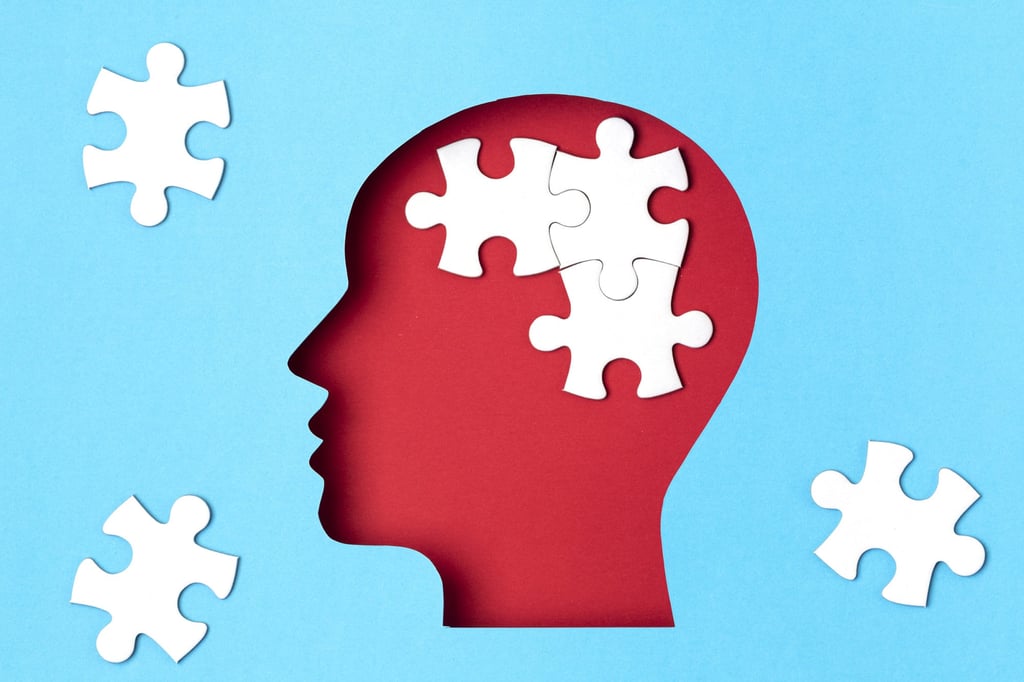
In deep sleep, bursts of activity in the hippocampus, which stores short-term memories, send information to the cortex, which stores long-term memories.
The brain also cross-indexes memories and links them together during sleep, and adds new information gained in the day to what we already know by replaying recent experiences.
After a good night’s sleep, your memories will seem clearer and more coherent.
Sleep also consolidates learning by connecting facts into knowledge, notes Dr Barbara Oakley, a professor of engineering at Oakland University in Rochester, in the US state of Michigan, in her course “Learning How To Learn” on the online learning platform Coursera.
4. Connecting with the past
Dreams play an important part in our mental well-being. Sigmund Freud, the founder of psychoanalysis, believed the cause of a patient’s neurosis – usually a repressed traumatic childhood experience – could be determined by analysing their dreams.
The late sleep researcher and psychologist Rosalind Cartwright – known as the “queen of dreams” – said dreams are an important part of grieving and can take away the pain associated with the memory of a loss.
Through dreaming, we can gradually come to think of a deceased loved one more objectively, without the pain that comes with grief.
The same is true when something shocks us. If we see someone injured, or worse, in an accident or as the victim of a violent crime, dreaming will help us eventually be able to replay the event in our minds without the accompanying horror we felt when it occurred.
5. Dreams as therapy
The brain knows it is good for you to wake up in a calm mood, and uses dreaming to achieve that goal – dreams act as a kind of internal therapy.
“When all goes well, we awake refreshed with a modified strategy for guiding our behaviour,” wrote Cartwright in her 2010 book, The Twenty-four Hour Mind: The Role of Sleep and Dreaming in Our Emotional Lives.
6. Fright night
During the transition between wakefulness and sleep, some people see ghosts and demons – or think they see them. While falling asleep, some become paralysed and sense an evil or macabre intruder in the room watching them.
Sometimes things get physical, and there are reports of women feeling like they are being sexually assaulted by a strange creature – an “incubus”, as they are called in mythology – while being physically unable to flee.
Due to a biological glitch, the paralysis can occur while the mind is awake.

Researchers suggest the demons appear because we have evolved to subconsciously monitor the outside world for threats at all times while we are awake. Our brain is still focused on this task during sleep paralysis, but it becomes confused by the situation and invents the demons.
French says that few doctors are aware of sleep paralysis, and many people suffer unnecessarily because they think they are going mad – or really seeing evil intruders.
7. Living the dream
It is possible to control your dreams and influence their direction. This is called “lucid dreaming”, a term coined by Dutch psychiatrist Frederik van Eeden in 1913 in the journal Proceedings of the Society for Psychical Research.
The ability comes naturally to some people, although others have to practise by keeping dream journals to train the brain. Essentially, sleepers become aware they are dreaming, and some then consciously take control of the dream.
As with sleep paralysis, it is believed to be made possible by the interplay between REM sleep and wakefulness, although scientists are still figuring out how that works.
8. Moving for better sleep
Tai chi practitioners can extend their nightly sleep by more than 50 minutes and can fall asleep 25 minutes faster than non-practitioners, according to a study published in BMJ Evidence-Based Medicine.
Yoga can add up to two hours of sleep each night and reduce the number of times you wake up.
The next time you are tempted to stay up a little later when it is time to turn in, remember that sleep is much more than a passive break from reality. It is an active, dynamic state in which our minds heal, memories lock in and bodies reset.

No comments:
Post a Comment