Tuesday, 1 March 2022

Got Insomnia? 3 Things Not to Do When You're Sleep Deprived

From psychologytoday.com

KEY POINTS

  • Quick fixes such as taking a nap or guzzling coffee are often used to help us cope with daytime sleepiness after a poor night's sleep.
  • Naps and caffeine can make it harder to fall asleep at bedtime, which may increase the use of sleep aids. This can create a vicious cycle.
  • Maladaptive strategies (naps, caffeine, sleeping pills) used to cope with insomnia can disrupt REM cycles and reduce sleep quality.

Most of us have struggled with bouts of insomnia or had sleepless nights. How do you cope with sleep deprivation the next day? Many people with insomnia overuse caffeine. Others might take a daily nap.

Unfortunately, coping strategies that involve caffeine or napping can make it harder to fall asleep at bedtime. Over-the-counter (OTC) sleep aids or prescription sleeping pills are often used to counteract night-time wakefulness caused by drinking too much caffeine during the day or dozing off for too long during a "cat nap."

The yo-yo effect caused by coping with insomnia using caffeine, long daytime naps, or sleep aids can feel like a roller coaster ride vacillating between extreme exhaustion and hyperarousal.

3 Maladaptive Coping Mechanisms of Sleep

  1. Caffeine
  2. Napping
  3. Sleep Aids

According to new research by Rhonda Winegar of Aspen University, so-called "maladaptive coping mechanisms of sleep" don't make insomnia better; they can make it worse over time. This exploratory pilot study (Winegar, 2022) appears in the March issue of the peer-reviewed journal Nurse Practitioner.

The cohort for this polysomnography-based pilot study included 137 patients who visited a sleep clinic between 2017-2019 seeking treatment for insomnia or obstructive sleep apnoea.

What Makes Maladaptive Coping Mechanisms of Sleep Counterproductive?

Maladaptive coping strategies can disrupt sleep quality in numerous ways. About two-thirds (66%) of patients with insomnia reported using caffeine to boost energy if they felt sleepy during the day. However, overusing caffeine led to increased problems with night-time sleep and created a vicious cycle.

About 25% of the people in this study reported taking daily naps, which can cause problems falling asleep at night. People who took regular daytime naps tended to use less caffeine and reported less sleepiness during the day. But at night, they experienced longer sleep onset latency (i.e., the time it takes to go from being awake to asleep) than those who didn't take naps.

Caffeine and Sleep Aids Disrupt REM Cycles

People taking prescription sleeping pills such as Lunesta, Restoril, or Sonata enter rapid eye movement (REM) slower than those who don't. On average, sedative-hypnotic drugs can delay REM onset by almost an hour (131 vs. 167 minutes). Notably, those who drank more than two cups of coffee per day also took longer to enter REM sleep.

Of the 137 people in this study, almost half (47%) took prescription sleep medications, and about 1 in 5 (19%) used OTC sleep aids.

The polysomnography data identified some short-term benefits of sleep medications prescribed by a health professional. Although prescription sleeping pills delayed REM onset, they also reduced sleep onset latency and increased sleep duration, meaning that people fell asleep faster and slept longer. Patients in this study who didn't take OTC sleep aids or prescription drugs slept for a shorter time and had more frequent night-time arousals (i.e., waking up in the middle of the night).

Long-Term Use of Sleeping Pills Can Lead to Dependency

Many sedative-hypnotic sleeping pills can lead to addiction or dependency and shouldn't be used for longer than two weeks; these drugs are not intended for long-term use. "Making small modifications to daily routines can help much more than prescribing hypnotics that have side effects and run the risk of dependency," Winegar said in a news release. 

Overall, most people in this study used counterproductive strategies for coping with insomnia. Winegar says that "prioritizing sleep" is the most effective way to break the cycle of maladaptive coping mechanisms that can perpetuate chronic insomnia and poor sleep quality.

Take-Home Message: Prioritize Sleep and Avoid Quick Fixes

"Learning about good sleep hygiene and making some slight changes to their routines—going to bed at the same time, turning off the television and lights when in bed—can help [people] sleep better without the use of sleep aids," Winegar concludes. "Do not nap. Keep the same sleep hygiene routine and sleep schedule on all days."

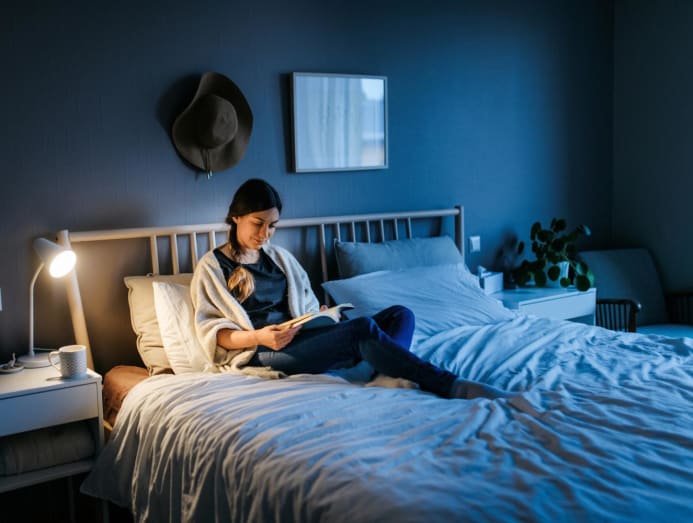
https://www.psychologytoday.com/us/blog/the-athletes-way/202202/got-insomnia-3-things-not-do-when-youre-sleep-deprived


Monday, 28 February 2022

One Common Impulse a Sleep Doctor Is Begging You To Avoid When You Can’t Fall Asleep

From wellandgood.com

Seven to eight hours of sleep per night is one of those ideal metrics that’s earned a permanent spot in the daily wellness lexicon, right alongside 10,000 steps and eight glasses of water. But, just as with the latter examples, the equation for sleep is certainly not one-size-fits-all. And while there’s a ton of research to support the brain and body benefits of getting that much sleep on a nightly basis (and the detriments of falling short), focusing too much on the number can actually work against your ability to achieve it by triggering clock-watching behaviour, or that nagging impulse to keep checking the time when you’re struggling to sleep. In fact, according to sleep specialists, that very action can place the sleep you so desire seemingly just out of reach. 

“Altogether, sleep quality tends to become worse in people who check the clock during the night,” says sleep-medicine specialist Carleara Weiss, PhD, sleep science advisor for Aeroflow Sleep. And that applies no matter how noble your intentions may be, whether you’re trying to calculate how much shut-eye you’ve managed to get or how much you can still fit in if you fall back asleep right then. “The science in behavioural sleep medicine indicates that the clock-monitoring habit may increase pre-sleep anxiety and worry during the night,” says Dr. Weiss.

Why clock-watching can stand in the way of a good night’s sleep

Given the strong ties between stress and sleep —with more stress leading to less sleep, which can prompt (you guessed it) even more stress—it’s easy to see how the anxious thoughts triggered by clock-watching can feed right into that cycle. Think about it this way: As you continue to check the clock while the night chugs along, the time becomes an increasingly brutal reminder of the fact that your hopes and dreams for an eight-hour night of sleep may be squashed. And the anxious thoughts that can emerge from there (Why can’t I ever get enough sleep? How will I function tomorrow with little or no sleep?) are just the stuff to bring on a sleepless night.

Not to mention, checking a clock at night tends to mean looking at the light of an alarm clock or the blue light of a phone, both of which may interfere with melatonin production and compromise sleep, too, Dr. Weiss adds.

Over time, clock-watching can also become such a pervasive habit as to chronically interfere with sleep, according to Dr. Weiss. “We’ve observed people who became overly attached to this habit and started waking up every night at the same time to check the clock,” she says. On the flip side, it’s also possible for clock-watching to emerge as a side effect to a larger, pre-existing sleep issue, she adds: “Patients with obstructive sleep apnoea or other health conditions affecting their sleep may also experience anxiety [over not getting enough sleep] and develop clock-monitoring behaviour.” From there, the clock-watching may just serve to exacerbate the trouble they were already having with getting sufficient zzz’s.

In any case, constantly looking at the time when you’re trying to fall asleep is one of those habits you’d be best putting to rest, whether you’re managing chronic insomnia or a single night of restlessness. To remove the temptation, Dr. Weiss suggests covering the clock or phone, turning it toward a wall, or even taking it out of the bedroom (if you have another reliable way to wake up on time in the morning, that is).

From there, if you’re struggling to fall asleep, swap the clock-watching behaviour with a relaxation technique—perhaps a guided sleep meditation, a 4-7-8 breathing exercise, or a thought-stopping practice to reverse the swirl of any anxious pre-sleep thoughts. “If you find yourself lying awake for more than a few minutes, you may also consider getting out of bed and practicing that relaxation technique on a chair,” says Dr. Weiss. (After all, staying in bed when you can’t sleep can actually condition the brain to view the bed as a place for insomnia rather than rest.) Just remember to keep the lights dim if you do get out of bed or move to another room, so as to keep your melatonin flowing and your body and brain in fall-asleep mode.

https://www.wellandgood.com/clock-watching-sleep/

Monday, 21 February 2022

Why do some people wake up at 3am for a cup of coffee? The pros and cons of 'segmented sleep'

From cnalifestyle.channelnewsasia.com

For some people, the pandemic has spurred more flexible schedules, which has led to experiments with the old-fashioned sleep method 

About a year into the pandemic, Marcela Rafea began waking up consistently at 3 am, her mind racing. She would creep out of bed and tiptoe into the living room, where she would meditate, try a few yoga poses and open the window to hear the leaves rustle, the cars rush by and the dogs bark.

Then, at 6 am, she crawled back into bed and would sleep again until her youngest child woke her for the day at 7 am.

“I needed that night wakefulness to make up for the time that I didn’t have for myself,” said Rafea, a 50-year-old photographer and mother of three who lives in Oak Park, Illinois.

Unbeknown to Rafea, she had naturally reverted back to a sleep cycle that was believed to be standard in multiple cultures in the late Middle Ages through the early 19th century.

During that time, many people went to sleep around sundown and woke three to four hours later. They socialised, read books, had small meals and tried to conceive children for the next hour or two before going back for a second sleep for another three to four hours.

(Photo: iStock/AnVr)
It was only when artificial light was introduced that people began forcing themselves to sleep through the night, said A Roger Ekirch, a professor of history at Virginia Tech and the author of “The Great Sleep Transformation.”

Now that many people are making their own schedules, working from home and focusing more on self-care, there has been a return for some to the idea of a segmented sleep cycle – voluntary and, given the stress levels of the past two years, not.

So are we simply reverting to our long forgotten, natural sleep cycle? And could this be the cure for those deemed middle-of-the-night insomniacs?

WHAT IS SEGMENTED SLEEP?

Ekirch, who has studied segmented sleep for the past 35 years, said there are more than 2,000 references to it from literary sources: everything from letters to diaries to court records to newspapers, plays, novels and poetry, from Homer to Chaucer to Dickens.

“The phenomenon went by different names in different places: first and second sleep, first nap and dead sleep, evening sleep and morning sleep,” said Benjamin Reiss, a professor of English at Emory University and the author of “Wild Nights: How Taming Sleep Created Our Restless World.”

He added that rather than being a choice at the time, this was simply something that people did, as it fit agricultural and artisanal patterns of labour.

Back then, in addition to being a useful time for conceiving, the wakeful period was also believed to be a prime time for taking potions and pills and for aiding digestion (one would sleep on one side of the body during the first sleep, and then on the other side during the second sleep), Ekirch said.

There was no pressure to get to the factory floor on time, to catch a train or to send children off to school, as most work was done in or near the home, Reiss said. Sleep wasn’t governed by the clock, but by the rhythms of night and day as well as by changes in the season.

THE DOWNSIDE OF SEGMENTED SLEEP 

There were negative reasons for segmented sleep as well.

“Sleeping surfaces – often a sack stuffed with grass, or if you were lucky, wool or horsehair – made it harder than it is today to sleep for a long stretch without interruption,” Reiss said.

And there were, of course, health issues. For example, “without modern dentistry, a toothache might start throbbing in the middle of the night.”

Everything changed with the Industrial Revolution, emphasising profit and productivity; the belief was that people who confined their sleep to a single interval gained an advantage. The growing prevalence of artificial lights permitted later bedtimes, leading to sleep compression.

Fast forward a few hundred years, and we’ve grown accustomed to compressed sleep. Well, some of us have.

30 per cent of people report waking up at least three nights per week, according to one study published in 2010 in the Journal of Psychosomatic Research, and 25 per cent of adults suffer from insomnia each year, according to a recent study by researchers at the University of Pennsylvania.

For some people, the pandemic has spurred more flexible schedules, which has led to experiments with the old-fashioned sleep method.

AN EFFECT OF THE PANDEMIC

That’s the case for Mark Hadley, a 52-year-old finance manager in North Bend, Oregon. In the past 20 years, Hadley said he doesn’t remember a time when he slept completely through the night.

“I always woke up halfway through the night and just lay there,” he said. “Physically, I wanted to get up, but I needed more sleep.”

Hadley didn’t have a choice. He had heard of segmented sleep, but didn’t have time to stretch his own ... until his job went mainly remote during the pandemic.

So in August 2021, Hadley started segmented sleeping, going to bed at 10 pm and waking up naturally at 2 am. He gets up for one and a half to two hours to read and to pray. Then he goes back to bed around 3.30 or 4 am and sleeps until his wife wakes him at 6.30 or 7 am.

“This is what my body was trying to do, even when I had never heard of it,” Hadley said. “I finally got to a place where I have a healthy sleep pattern.”

Doctors are conflicted about how healthy segmented sleep is, however.

“We don’t really know the long-term impacts of segmented sleep because we don’t really have much data on it,” said Matthew Ebben, an associate professor of psychology in clinical neurology at Weill Cornell Medicine and NewYork-Presbyterian.

It may make some people feel more fatigued and drowsy throughout the day, said Nicole Avena, a health psychologist and assistant professor of neuroscience at Mount Sinai School of Medicine. Also, Avena said, segmented sleep requires individuals to go to bed earlier, which may not work with many schedules.

That’s why Kristopher Weaver, a 43-year-old songwriter in East Stroudsburg, Pennsylvania, said he manages to stick to a segmented sleep schedule only a few nights a week.

The days he does have time to sleep between 7 and 11 pm and then again between 3 and 7 am, he wakes up refreshed. During his break between first and second sleeps, when his mind is quiet and recharged, Weaver has more energy to write his songs.

The nights that he forces himself to sleep in one go? He needs caffeine and marijuana to get through the next day.

A CURE FOR INSOMNIA

For Danielle Hughes, 33, segmented sleep was a remedy to her insomnia. Hughes, who lives in Dublin, Ireland, spent an entire year visiting with doctors to try to find a solution for her middle-of-the-night awakenings. She finally Googled her issue and stumbled upon segmented sleep.

“It was like a light bulb moment for me,” Hughes said. “The whole anxiety I had about not being able to sleep started to ease, and I started to feel like what little sleep I was getting at night was OK as long as I used my wake time more productively.”

Since she found out about segmented sleep, Hughes has been more open to this concept, sleeping from 2 am to 6 am and again from 2 pm to 6 pm.

In cases of anxiety around insomnia like Hughes', segmented sleep is often an ideal solution, said Alex Savy, a sleep science coach and founder of SleepingOcean, a sleep product review site in Toronto.

“When practicing segmented sleep, insomniacs don’t have to worry about waking up in the middle of the night, as that’s the way segmented sleep works,” Savy said. “Therefore, they can adjust the schedule to their insomnia and reduce the stress associated with it.”

But returning to sleep patterns from the Middle Ages isn’t for everyone, Avena said, suggesting that segmented sleep should be tried only by those who are already having sleep issues.

“I think that while it may promote better sleep for these individuals, it probably has more consequences than benefits for those who do not have a hard time sleeping,” she said.

https://cnalifestyle.channelnewsasia.com/wellness/segmented-sleep-insomnia-cure-302346

Wednesday, 16 February 2022

5 Myths and Facts About Insomnia

From healthline.com

Insomnia is a common sleep disorder. About one-thirdTrusted Source of Americans live with the condition during the course of a year. About 1 in 7 have chronic insomnia.

Insomnia means that you have trouble falling or staying asleep. Your waking life may also be disrupted by symptoms such as daytime sleepiness and irritability. Over time, insomnia can contribute to a number of health conditions that can also make it harder for you to fall asleep.

There are a lot of myths about insomnia, but learning more about the facts can help you understand your sleep cycles. It may also give you the tools you need to deal with the condition and get better sleep. 

Fact: Sleeping later on weekends won’t make up for the sleep you missed during the week.

If you consistently lose sleep each night, you accumulate sleep debt. This is the total amount of lost sleep over time.

While you may feel better if you sleep longer on weekends, this can make insomnia worse. Oversleeping on certain days can disruptTrusted Source your normal sleep-wake cycle. This makes it harder for you to get the regular rest you need.

Your body’s sleep-wake cycleTrusted Source is based on a number of factors. These include sleep-wake homeostasis, which keeps track of how much sleep you need, and your body’s circadian rhythm, which sets the times of day you’re most likely to feel sleepy.

A 2019 research studyTrusted Source found that weekend sleepers were unable to make up their sleep debt. They also had signs of lower insulin sensitivity than those who got adequate rest daily.

Instead of skimping on sleep during the week and oversleeping on weekends, try sticking to a regular sleep schedule. That means going to bed at the same time each night and waking up at the same time each morning, even on weekends.

Fact: There are a number of ways to treat and manage insomnia.

You can take some steps to manage insomnia at home. If you live with chronic insomnia, you can also talk with a doctor or sleep specialist about cognitive behavioural therapy or medication.

Self-care strategies for better sleep

Changes to your lifestyle and sleep environment can help Trusted Source with insomnia. Some strategies include:

  • maintaining a regular sleep schedule, even on weekends
  • avoiding long naps
  • avoiding stimulants like caffeine and nicotine before bed
  • avoiding alcohol in the 3 to 4 hours before bedtime
  • eating regular meals and avoiding late-night snacking
  • getting regular exercise during the day
  • keeping electronic devices out of the bedroom
  • making your bedroom dark and cool to facilitate better sleep

You can also speak to your doctor about medications that may help.

Cognitive-behavioural therapy for insomnia (CBT-I)

CBT-I is a form of therapy to help you learnTrusted Source techniques for better sleep. The process takes several weeks, during which you work with a licensed therapist.

Aspects of CBT-I often include:

  • learning to have positive feelings about sleep
  • learning that staying in bed not sleeping can worsen insomnia
  • reducing nervousness about sleep
  • learning good sleep habits
  • practising relaxation therapy
  • learning to maintain a regular sleep-wake cycle
  • focusing on specific periods of quality sleep (sleep restriction)

CBT-I is often the first-line treatment for insomnia. A 2021 meta-analysisTrusted Source found that CBT-I works at least in part by changing a person’s beliefs about sleep.

Fact: Each class of medications for insomnia works in a different way to help you sleep.

Your doctor may have a number of options for insomnia medications. Some help you fall asleep, while others help you stay asleep. Some do both.

Doctors takeTrusted Source a number of things into account when recommending a medication, including age and sex of the patient, safety, side effects, interactions with other drugs, and length of use. Properties of the medications are also considered, such as how quickly they start to work and how long they work.

Prescription Food and Drug Administration (FDA)-approved medications for insomnia in current use include:

  • Benzodiazepines: These are medications that promote calm, relaxation, and reduced anxiety. This can make it easier for you to sleep. Benzodiazepines are typically only prescribed for short-term use.
  • Z–drugs: These medications work in a similar way to benzodiazepines. They make you feel drowsy by slowing brain activity. They include drugs like eszopiclone (Lunesta) and zolpidem (Ambien). According to the FDATrusted Source, they shouldn’t be used by people with complex sleep behaviours like sleepwalking. The medications can cause complex sleep behaviours.
  • Melatonin receptor agonists: These prescription medications, such as ramelteon and tasimelteon, affect brain chemicals that regulate the sleep-wake cycle. They help reset your biological clock. Although many people also take melatonin for sleep, this is consideredTrusted Source a dietary supplement and isn’t regulated by the FDA.
  • Orexin receptor antagonists: These medications block orexin, a chemical in the brain that help keeps you awake.
  • Antidepressants: Doxepin at a very low dose has been approved to treat insomnia. Doctors sometimes prescribe antidepressants if you have depression and associated insomnia.

You may also consider an over-the-counter (OTC) sleep aid. Many of these are antihistamines that make you drowsy. Some antihistamines may cause restlessness or restless legs syndrome.

Talk with your doctor before taking any OTC medications or supplements for insomnia.

Fact: Lying in bed awake can increase anxious feelings about sleep.

It can also train your brain to associate the bedroom with those negative feelings, which may make your insomnia worse.

As much as possible, your bedroom should be reserved for sleep and sex. If your bedroom becomes a workspace, your brain can learn to associate the bed with your job. When you want to get some rest, it may be harder to turn off those work-related thoughts.

You shouldn’t get into bed until you’re ready to fall asleep. If you can’t fall asleep after about 20 minutes, get out of bed. Try doing a relaxing activity like reading (as long as it’s not on an electronic device) or listening to music until you feel sleepy.

Fact: Sleep quality is also important for your health.

It’s recommended for adults to get 7 or more hoursTrusted Source of sleep per night. But you can still wake up not feeling rested.

Many factors can reduce sleep quality. Health conditions such as sleep apnoea can cause changes in breathing and prevent deep sleep. Drinking alcohol before bed may make you feel sleepyTrusted Source, but it only induces light sleep. You may be more likely to get up during the night.

Practicing good sleep hygiene and paying attention to your overall health can lead to better quality sleep. Your doctor is a good source of information about how to manage conditions such as sleep apnoea or chronic pain that may affect your sleep.

Insomnia is a common but treatable condition. By learning more about insomnia you can have a greater understanding of the tools at your disposal to get better rest. This may mean practicing good sleep hygiene, participating in CBT-I, or talking with your doctor about medications.

https://www.healthline.com/health/insomnia/insomnia-myths-facts#myth-5-its-only-about-the-numbers

Sunday, 13 February 2022

Sleep Disorders: The Signs Not To Be Underestimated

From emergency-live.com 

The quality of life is closely related to the quality of sleep, and sleep is one of the acts that has the greatest influence on our daily life

A good night’s sleep, between seven and nine hours, helps the adult individual to face the day ahead adequately, both from the point of view of productivity and concentration in work tasks, and with regard to mood and the reduction of anxiety and stress.

When we sleep, the body rests and the brain, which remains active, has the opportunity to ‘recharge’.

During sleep, we tend to pass through two main states: REM sleep, characterised by the appearance of rapid eye movements and the absence of muscular activity, which occurs approximately five cycles per night, and non-REM sleep, which is deeper.

Dreams in REM sleep, which are more frequent, often contain strong emotions, dangers and threatening characters.

Dreams in non-REM sleep more frequently contain friendly and familiar characters.

Respecting sleep cycles contributes to proper cognitive functioning and memory consolidation.


From heart to appetite: how sleep affects our lives

A low or insufficient amount of rest can be related to various diseases, such as diabetes or hypertension.

This is because blood pressure varies during the sleep cycle and, consequently, rest that continues to be interrupted will have a negative influence on these variations.

The consequences can be hypertension or cardiovascular problems.

Insufficient and fragmented sleep can also have an impact on the metabolism.

For example, by affecting insulin levels and thus facilitating the onset of diabetes.

Or by increasing levels of cortisol, the so-called ‘stress hormone’, which will stimulate an increased appetite once you are awake.

Insomnia and apnoea: two sleep disorders

But what disturbs our rest? Two of the most common pathologies are apnoea and insomnia.

Apnoea is characterised by a decrease in the flow of air in the lungs during the night, even leading to episodes of complete airlessness.

The patient suffering from sleep apnoea will therefore be prone to waking up frequently, panting due to the lack of breath.

These ‘pauses in breathing’, related to the reduction of oxygen in the blood, can strain the heart, increasing the risk of cardiovascular disease over time.

What can be the signs of sleep apnoea?

A predisposition to snoring very loudly, for example, or continuous fatigue and daytime sleepiness with occasional sleep attacks.

But also, as we have said, a tendency to wake up several times during the night with a feeling of suffocation and lack of air.

Sleep attacks are responsible for 7% of road accidents and 20% of work accidents.

With regard to insomnia, however, patients often make the mistake of thinking that it is a pathology characterised simply by difficulty in getting to sleep

In fact, there are three types of insomnia: initial insomnia characterised by difficulty in falling asleep, central insomnia with awakenings during the night and terminal insomnia with early awakening.

The three forms of insomnia can sometimes coexist and result in insufficient sleep.

If these symptoms occur constantly, i.e. more than a few times a week, it is advisable to consult a specialist.

In fact, insomnia, which is a treatable disorder, may be a symptom of other medical or psychological conditions such as anxiety, depression, neurological or metabolic diseases, hypertension or heart disease and pain.

https://www.emergency-live.com/health-and-safety/sleep-disorders-the-signs-not-to-be-underestimated/