Tuesday, 1 October 2024

How long does it take you to fall asleep? The answer says a lot about your health

From nypost.com

When your head meets the pillow, do you go swift and sweet into dreamland — or do you lie awake, plagued with existential dread and struggle to snooze?

The answer to how you spend your nights may reveal startling insights into your general health.

The amount of time it takes your body to achieve a restful state is known as “sleep latency,” and while that figure is somewhat flexible, there are some parameters for optimal shutdown for shuteye. Sleep experts agree that either extreme — falling asleep too fast or too slow — can cause concern.

“The ideal amount of time for the body to fall asleep truly varies from person to person. The National Sleep Foundation suggests that it should take about 15 to 20 minutes for a healthy person,” Kristen Casey, a licensed clinical psychologist and insomnia specialist, told HuffPost. “However, people are complex, so we may have more issues that stop us from falling asleep soundly that are likely out of our control.”

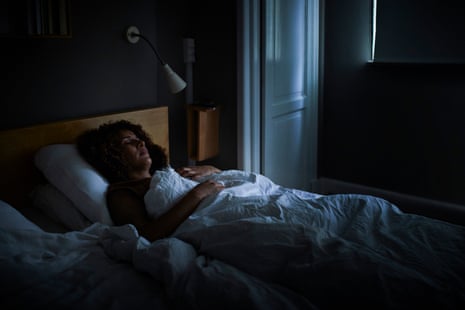
The amount of time it takes your body to achieve a restful state is known as “sleep latency.”Clement Coetzee/peopleimages.com – stock.adobe.com

Proper sleep hygiene can help mitigate those factors beyond our control, according to experts.

“Decades of sleep science research shows that having excellent sleep hygiene is your best bet to regularly fall asleep, stay asleep, and feel and function your best while awake,” sleep guru Jeff Kahn, the Chicago-based CEO and co-founder of Rise Science, maker of the sleep and energy tracker app RISEKahn, told Fox News Digital.

Common best practices include keeping a regular sleep schedule, cutting off caffeine 12 hours before bedtime, avoiding late meals and alcohol, getting sunlight every morning — and keeping your bedroom as cool, dark and quiet as possible.

Research suggests some measure of pre-slumber physical activity can also help improve sleep quality, The Post previously reported.

Falling fast

Falling fast could be a sign of exhaustion.fizkes – stock.adobe.com

Experts note that going lights out within a few minutes is not explicitly cause for alarm but could indicate some lifestyle factors that need amending.

A few probable causes for falling fast:

Exhaustion

“Falling asleep too quickly can be a sign of exhaustion, a sign that we are overworking ourselves, a sign of burnout, and generally a sign that we’re not spending enough time recovering and resting,” Dr. Dave Rabin, a neuroscientist, board-certified psychiatrist and co-founder and chief innovation officer at Apollo Neuroscience, told HuffPost.

Experts recommend seven to nine hours of sleep a night to lower the risk of developing obesity, heart disease, and depression, among other chronic conditions, but many Americans struggle to meet that important goal.

Junk sleep

Quality is as important to sleep as quantity.TheVisualsYouNeed – stock.adobe.com

If you’re drifting off within mere minutes, you might sleep long enough, but the quality does not match the quantity. Experts call this “junk sleep” and suggest it is not the kind of shuteye that supports true rejuvenation.

For those who doze fast, Casey recommends seeking a medical opinion.

“We choose a treatment that will be clinically indicated based on the origin of sleep latency issues. For example, if someone is falling asleep too quickly because they are exercising too much and working 12-hour days, it’s likely they have a very high sleep drive. Sleep drive is the body’s biological need for sleep.”

Treatment can look like adjusting exertion, doing lab tests and simply making more time for sleep.

Mental health

Both depression and side effects from antidepressants can cause exhaustion.Pixel-Shot – stock.adobe.com

The adverse effects of chronic sleep deprivation are well-documented, but a shortage of shut-eye for just a single evening is also detrimental. Research from the American Psychological Association determined that even an hour or two of poor sleep increases the risk of depression and anxiety.

In a catch-22, Casey explained that both depression and side effects from antidepressants can cause exhaustion.

Sleep apnoea

Undiagnosed sleep apnea can contribute to fatigue.Hope – stock.adobe.com

Roughly 39 million Americans, including President Biden, currently suffer from sleep apnoea. 

The most common form of the disorder is obstructive sleep apnoea or OSA. In OSA patients, the upper airway partly or completely closes during sleep, blocking airflow to the lungs and causing breathing to start and stop repeatedly.

In addition to risks like death, high blood pressure, stroke, heart disease, Type 2 diabetes and possibly cognitive decline and dementia, OSA contributes to a serious decline in sleep quality.

Common symptoms of sleep apnoea include excessive daytime sleepiness, mood changes and brain fog. If you suspect you are suffering from sleep apnoea, it is critical that you seek medical attention.

Falling slow

People who struggle to fall asleep also face exhaustion.mtrlin – stock.adobe.com

On the other side of the pillow lie folks who struggle to fall asleep. Paradoxically, the same issues that cause exhaustion also cause sleep resistance.

“Difficulty with falling asleep may be a symptom of insomnia, chronic pain or a psychological or medical condition,” Casey explained. “Most of the time, people who struggle to fall asleep are anxious, experiencing pain or struggle to have a high sleep drive at night.” 

A few additional factors that can contribute to slow sleep latency include:

Subpar sleep routine

Blue light before bed is bad news.bernardbodo – stock.adobe.com

“Having an inconsistent bedtime, poor sleep habits, working non-traditional shifts (such as evening/night shifts or rotating schedules), undiagnosed or unmanaged health conditions such as stress, depression, anxiety, COPD, GERD and having an uncomfortable sleeping surface could all contribute to taking too long to fall asleep,” Catherine “Katie” Yu, a psychiatric mental health nurse practitioner with Thriveworks in Portland, Maine, who specializes in depression, anxiety and sleep/insomnia, told HuffPost.

As The Post previously reported, drinking coffee in the afternoon can contribute to sleeplessness, while drinking alcohol at any point during the day can disrupt sleep patterns and sleep quality.

In addition to getting morning sunlight to regulate circadian rhythms, experts note that it’s important to shut off blue light-emitting screens 30 to 60 minutes before bedtime.

Proper sleep is the bedrock of mental health.pitipat – stock.adobe.com

Research suggests going to bed by 1 a.m. can lower your risk of developing mental and behavioural conditions such as depression and anxiety.

For those struggling to find the perfect bedtime and wake time, try going to sleep and waking up 15 minutes earlier each day until you find your ideal time.

Stress

In an unfortunate cycle, insomnia can lend itself to depression, and symptoms of depression can amplify insomnia.Microgen – stock.adobe.com

Rabin maintains that sleep is the bedrock of mental health.

“Pretty much every mental illness often starts with difficulty falling asleep. This doesn’t mean if you have difficulty falling asleep, you have a mental illness, but it does mean that the body is struggling with something that is making it feel unsafe or unable to settle down enough to be able to be vulnerable to enter sleep states — deep sleep states in particular.”

In an unfortunate cycle, insomnia can lend itself to depression, and symptoms of depression can amplify insomnia.

Medical providers may offer solutions to sleeplessness in the form of psychotherapy to address the source of anxiety and depression.

Dr. Wendy Troxel, a Utah-based sleep expert and senior behavioural scientist at the RAND Corporation, told Fox News Digital that incorporating a wind-down routine before bed can reduce stress levels and improve sleep quality.

Incorporating a wind-down routine before bed can reduce stress levels and improve sleep quality.

StockPhotoPro – stock.adobe.com

Those routines can involve relaxing activities such as deep breathing exercises, cuddling with a partner, journaling, doing gentle yoga, or listening to music.

“It’s just about finding something that you can ritualize and do on a nightly basis to set the stage … to put aside all the demands and stress of the day and prepare for winding down and [going] to sleep.”

https://nypost.com/2024/09/30/lifestyle/how-long-does-it-take-you-to-fall-asleep-at-night-the-answer-could-unlock-secrets-of-your-health/ 

Tuesday, 24 September 2024

Trouble sleeping? This therapy can help with insomnia

From theguardian.com

CBT-I involves actions like changing what you do when you can’t sleep and reframing anxious thoughts about slumber 

You might have heard of cognitive behavioural therapy, or CBT, a popular and well-researched type of psychotherapy. But did you know it can help people with sleep issues?

CBT-I, a form of CBT, is a successful treatment for insomnia. It involves actions like changing what you do when you can’t sleep and reframing anxious thoughts related to sleep. The distinctive difference between CBT and CBT-I is the inclusion of the principles and practice of sleep medicine, explains Michael Perlis, director of the Behavioural Sleep Medicine Program at the University of Pennsylvania.

For the past 15 years, Perlis and Donn Posner have taught care providers how to deliver cognitive behavioural therapy for insomnia, or CBT-I. Their course used to “get something like 25 to 40 people”, says Posner, an adjunct clinical associate professor at the Stanford University School of Medicine and president of Sleepwell Consultants. This year, 435 people have expressed interest in taking it.

Data supporting the effectiveness of CBT-I has been around for about 30 years, Posner explains, but only now is it finally “starting to come onto the radar”.

An increasing number of people are worried about their shut-eye but turn to habits that don’t help their sleep in the long run, such as melatonin and sleeping in. In reality, easy fixes are often not the best for getting back into the flow of good sleep – and the foundations of CBT-I can help explain why.

When does sleep become a problem?

Poor sleep is quite common. According to a 2024 Gallup poll, 57% of US adults said they would feel better if they slept more.

About one-third of adults experience acute insomnia, which can last a few days or weeks. And roughly one in 10 suffer from chronic insomnia, defined as happening more than three nights a week for at least three months.

Acute insomnia is almost always the result of some stressor, explains Posner, though not always a negative one. You might have a cold or jet lag; you might be excited for an upcoming event. If the stressor goes away, insomnia is likely to follow suit.

But if insomnia becomes chronic, it can persist even if the stressor has gone away, Posner says. This is because other factors, like going to bed early to make up for sleep loss or worrying about insufficient sleep, can perpetuate insomnia.

Insomnia is linked to a host of issues spanning mental and physical health. These include fatigue, decreased quality of life and an increased risk for disease.

The distinctive difference between CBT and CBT-I is the inclusion of principles and practice of sleep medicine. Photograph: Klaus Vedfelt/Getty Images

What is CBT-I?

CBT-I targets difficulties related to initiating and maintaining sleep. It combines cognitive therapy, behavioural interventions and educational interventions.

Its core components are Sleep Restriction Therapy (SRT) and Stimulus Control Therapy (SCT). A provider typically teaches these elements and the individual then practices at home.

SRT might sound intimidating, but it’s more about cutting down time in bed while awake than restricting sleep time. Eventually, this leads to improved sleep efficiency.

SCT is intended to strengthen the link between sleep cues – like the bed, bedroom and bedtime – and falling asleep easily and sleeping well. This can look like avoiding any behaviour in the bedroom that isn’t sleep or sex and only lying in the bed when you’re sleepy.

There are also two supplemental elements: sleep hygiene and cognitive therapy. Sleep hygiene promotes healthy habits that support sleep, like avoiding alcohol before bed. The cognitive element is about adjusting or reframing unhelpful behaviours and ways of thinking, for example, thoughts like “I can’t fall asleep without a sleeping pill” or “I am afraid of having another sleepless night.”

CBT-I is typically delivered over five to eight sessions, which can last 30 to 90 minutes. However, the length of treatment depends on how adherent a patient is, Posner explains. He compares it to physical therapy: if you do all the assigned exercises, you will likely graduate from treatment sooner.

Who can CBT-I help?

Data from multiple controlled clinical trials suggests that 70% to 80% of people with chronic insomnia who try CBT-I end up with improved sleep. Research also suggests these gains last.

In the early 2000s, research turned to how well CBT-I can help with secondary insomnia – insomnia that arises from a primary event, like a medical illness or mental disorder – says Perlis.

Originally, researchers assumed that treating the primary condition would stop the insomnia too. However, now it’s increasingly understood that even if other conditions improve, chronic insomnia generally doesn’t stop if left untreated.

Studies show that CBT-I is a promising treatment for insomnia that’s co-morbid with other conditions, like chronic pain and anxiety. Further, there are “halo effects”, explains Perlis. For example, when treating insomnia co-morbid with depression, the depression tends to improve.

It’s also possible that CBT-I may benefit people with daytime fatigue and sleepiness and people with poor sleep who don’t have chronic insomnia yet.

Principles of CBT-I can also help people who generally need help with sleep. For example, Perlis says getting out of bed is better than tossing and turning for hours. During this time, you should do something enjoyable, like reading a book and only return to bed when sleepy.

“Yes, you may lose a bit of sleep, but this will assist with getting over the transient insomnia and reduce your sense of dread when awake at night,” he says.

How does CBT-I compare to other insomnia treatments?

CBT-I is a highly regarded treatment. It’s recommended by the American College of Physicians (ACP) and the US Department of Veteran’s Affairs as the first-line therapy for chronic insomnia.

Experts often encourage people with insomnia to adopt habits like getting enough physical activity during the day, which some research suggests is comparable to CBT-I when it comes to long-term effectiveness. Doctors also might prescribe medications: according to the CDC, in 2020, roughly 10% of adults had taken sleep medication in the last 30 days.

Perlis co-authored a 2012 review of five studies comparing CBT-I with prescription and non-prescription medications, which concluded that CBT-I is as effective as medications for treating insomnia and its effects possibly more durable. It also doesn’t come with the side effects linked to some sleep medications, like impaired memory and nausea, linked to some sleep medications.

Perlis and the other authors identified two main disadvantages to CBT-I. First, people with chronic insomnia might not see improvements until a few weeks into treatment, and second, at the start of the therapy, the process might cause some to feel more tired. These hurdles can cause some to drop out of treatment prematurely. Accordingly, CBT-I is underutilized partly because some people stop too soon. There’s also a lack of qualified providers, which makes it easy to turn to medications or other drugs like melatonin first.

“There are not enough of us who know how to really do this therapy well to meet the need because the need is epidemic,” says Posner. “But it is getting better.”

How to get CBT-I therapy for insomnia?

You should speak with a medical professional if you’re concerned about your sleep. Posner says that often, people seek help after suffering from insomnia for too long.

According to Perlis, about 1,000 people worldwide are knowledgeable CBT-I providers. You can search for one via the University of Pennsylvania International CBT-I Provider Directory.

When evaluating whether or not to work with a therapist claiming to deliver CBT-I, Perlis says: “If they say the core approach for the treatment of insomnia is either relaxation or sleep hygiene, patients might want to look a little further.” Proper CBT-I requires SRT and SCT.

How you receive CBT-I also matters. While research suggests that learning about CBT-I through something like a self-help book can be beneficial, face-to-face interventions have the greatest evidence of good results. This could mean meeting in person or, some early research indicates, through video-based tele-health.

The American Academy of Sleep Medicine recommends that people who can’t access CBT-I delivered by a therapist try it through an app while they wait for an appointment. For example, the US Department of Veterans Affairs created a free app.

“The data is quite clear that those types of things [apps] are a nice start, but they’re not as good as face-to-face therapy,” says Posner.

https://www.theguardian.com/wellness/2024/sep/23/cbt-i-sleep-therapy