Thursday, 10 March 2022

How to get back that good night’s sleep?

From timesofindia.indiatimes.com

Not being able to get enough sleep, or finding it difficult to sleep? You never know, you might have insomnia. Consult your physician if your sleep cycle is really disturbed.
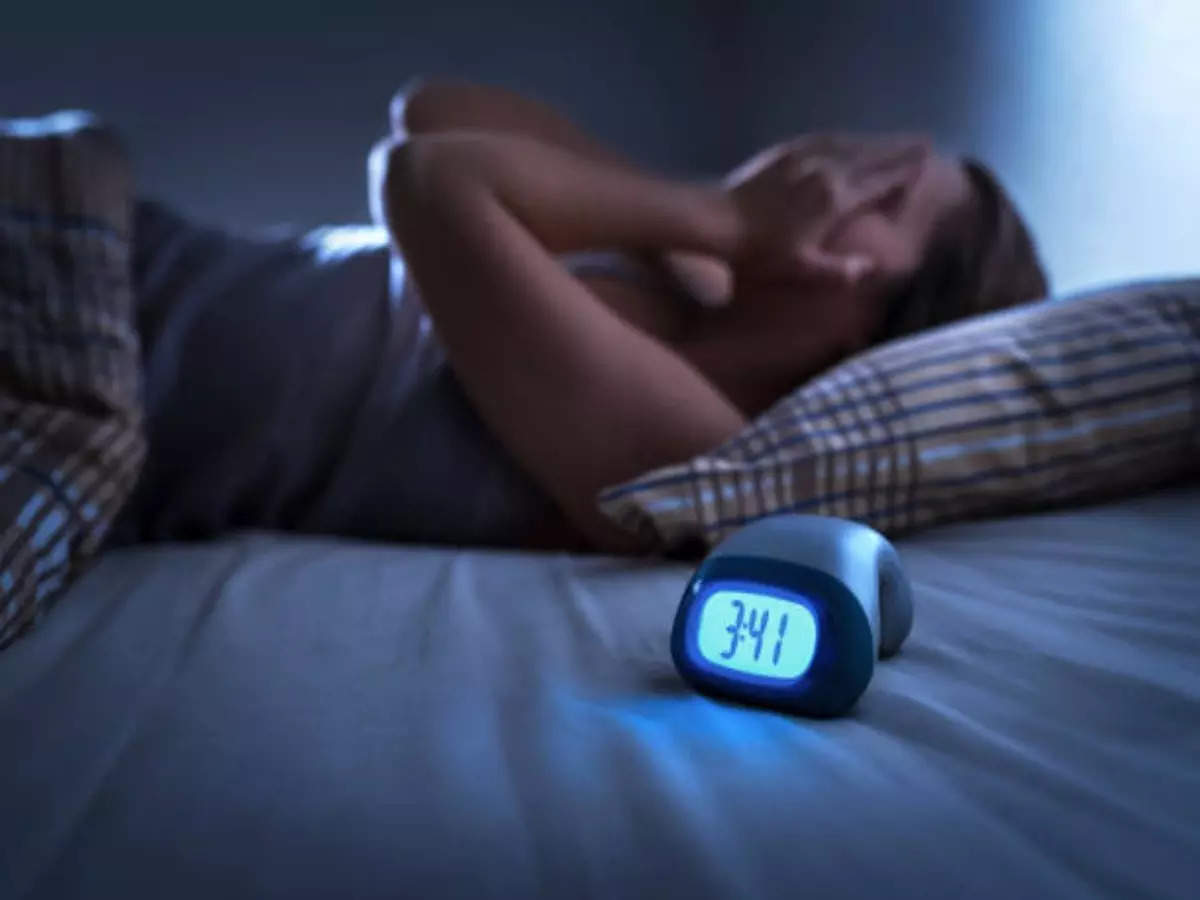

istockphoto-1140559999-612x612 (1)

What is insomnia? 

Insomnia is quite a common sleep disorder that can make it difficult to fall asleep, difficult to stay asleep, or may make you wake up too early and not be able to get back to sleep. Because of this inconsistent sleep cycle, you will feel tired even after you wake up. It will not just affect your health, but also your work performance, quality of life and make you irritated.
Though it varies from person to person how much sleep is required, most adults need seven to eight hours of sleep a night.

At some point in their lives, many adults experience short-term (acute) insomnia that lasts for days or weeks. It’s usually a result of any traumatic event, stress or illness. But some people have long-term (chronic) insomnia that lasts for a month or more. Insomnia can be the primary problem, but can also be associated with other medical conditions or medications.

But you don't have to put up with sleepless nights. Simple changes in your daily habits can often help.

istockphoto-820818020-612x612 (1)


Tips that will help if one has insomnia

Waking up at the same time every day
It is tempting to binge on one’s favourite OTT series and sleep late and wake up late on weekends, especially if one isn’t worked up and had good sleep during the week. However, if one has insomnia, he should get up at the same time every day to train his body to wake up at a regular time.

Cut out alcohol and stimulants like nicotine or caffeine
The effects of caffeine can last for several hours, sometimes up to 24 hours, which increases the chances of your sleep getting affected. Caffeine can not only cause difficulty initiating sleep, but can also cause frequent awakenings. Alcohol on the other hand may have a sedative effect and have a good sleep in the initial hours but will lead to frequent awakenings and a non-restful night's sleep. If you are on medications like decongestants or asthma inhalers, consult your doctor when they should best be taken to help minimise the after-effects on sleep.

Limit naps
While a few power naps seem like a way to catch up on the missed sleep, it isn’t always so. It can affect the quality of the night’s sleep. Thus, it is important to establish and maintain a regular sleep routine and train oneself to associate sleep with cues like darkness, quietness and a consistent bedtime.

Exercise regularly
Regular exercising can improve one’s sleep quality and duration. However, exercising immediately just before bedtime will have a stimulant effect on the body and thus, should be avoided. Try to finish exercising at least three hours before you plan to head for your bed.

Do not drink or eat right before going to bed
A late dinner or snacking before one sleeps, can activate the digestive system and keep you up. If you suffer from heartburn or gastroesophageal reflux, it is even more important to avoid eating and drinking right before bed since this can make your symptoms worse.

Additionally, drinking lots of fluids before going to bed can make your bladder full, and make you visit the bathroom which will disturb your sleep.


Create a comfortable sleeping environment


The light, temperature, and noise in one’s bedroom should be controlled to make it appropriate to fall (and stay) asleep. The bed should feel comfortable and if one has a pet that sleeps in the same room, make sure that it sleeps away if it tends to make noise.


Reduce stress


There are some stress reduction methods that one may want to try to relax the body and mind before going to bed. These methods may include progressive muscle relaxation (perhaps with audio tapes), imagery, deep breathing techniques, meditation, and so on.

https://timesofindia.indiatimes.com/life-style/health-fitness/health-news/how-to-get-back-that-good-nights-sleep/articleshow/90104439.cms

Sunday, 6 March 2022

COVID-19 Worry Tied to Insomnia – Here’s How to Safeguard Your Sleep

From pennmedicine.org

At this point in the pandemic, it may not come as a surprise that the impacts of COVID-19 have included increases in mental health issues such as depression, anxiety, and substance use. Along with those issues, recent reports show that sleep has been impaired as well. The pandemic has fuelled a significant increase in insomnia — with roughly 60 percent of people reporting an increase in problems sleeping since the start of the pandemic.

New findings published in the Journal of Sleep Research show that it’s not just COVID-19 disease itself (its symptoms or exposure to the virus), but worries surrounding COVID-19 have significantly contributed to insomnia.

Penn Medicine researchers led by Lily Brown, PhD, an assistant professor of Psychology in Psychiatry and director at the Centre for the Treatment and Study of Anxiety, evaluated associations between COVID-19 exposures, COVID-19 worries, and insomnia. They found that greater severity of COVID-19-related worries was associated with elevations in insomnia symptom severity more than COVID-19-related exposure was — meaning worries about COVID-19 were a more consistent predictor of insomnia than COVID-19 exposures.

“We’ve found that worries about COVID-19 worsens insomnia, regardless of actual risk,” Brown explains. “These finding impact the care we can provide. It’s helpful because exposure to risk may or may not be modifiable — depending on one's job, for instance — but changing how one manages worries is very do-able.”

Future research will look into strategies to simultaneously treat insomnia and increased worries, to see if that improves outcomes.


Struggling with increased worries yourself? First of all, Brown notes that worrying is not the same as problem-solving. Sitting and stewing on the catastrophes that could come your way will not help you prepare for them. Second, Brown recommends catching yourself when you notice getting stuck in a worry spiral. Third, redirect your attention back to the present moment using mindfulness strategies. Fourth, note whether the worries that come up again and again are potential problems vs. actual problems. However, if chronic worries are impairing your life in any way, consider seeking help with a therapist.

And for those struggling with sleep, there are evidenced-based (meaning researched-backed) strategies to help tackle insomnia. These recommendations can be a fit for anyone who is trying to improve their sleep schedules and habits.

“Often in pop culture and even in health care settings, we throw around the term ‘sleep hygiene’ as the kind of behaviours we hope to achieve to improve sleep,” Brown says. This often looks like behaviour changes, such as limiting phone use while in bed or decreasing caffeine intake.

The reality is that many struggling getting enough sleep already know these rules. So while sleep hygiene is important, it’s often not enough to sufficiently address sleep disorder symptoms, Brown explains. But the good news is there’s more that can be done, thanks to strategies backed in cognitive behavioural therapy for insomnia to improve sleep.

The first tip might sound counter-initiative, but Brown actually recommends limiting time in bed.

“There’s a common pattern people with insomnia fall into. They go to bed earlier and earlier because they get less and less sleep. For example, perhaps they couldn’t get to sleep until 3 a.m., so they go to bed around 8 p.m. to try to get more sleep, but they end up just spending more time awake in bed,” Brown explains. “Instead, focus on sleep efficiency. You want the amount of time spent in bed to be close to the amount of time asleep.”

To achieve this, push back your bedtime, while keeping the time awake the same. It may seem paradoxical, but when people get tired earlier and earlier, it allows them to get more sleep over time. However, if you use this strategy, Brown notes it’s important to wake up at the same time every day.

One other tip involves avoiding sleep to help improve sleep at night — skipping out on naps. Brown recommends limiting naps, especially if one is pushing back their bedtime to fall asleep sooner after getting into bed. “You need to make sure you’re not countering efforts with increased nap time, otherwise this can backfire and you’re not actually going to get more sleep,” Brown says. “It might seem counterintuitive, but if you stick to a schedule and you don’t nap, you will eventually become tired enough to fall asleep at a more reasonable hour.”

Of course, there’s the recommendation many may have heard about limiting screen time. This can come into play a few ways. First, if you haven’t fallen asleep after 15 minutes, it’s important to get out of bed and do a quiet activity like reading a book. But Brown stresses the importance of avoiding reading or browsing on your phone or watching television due to the impact of screen light on sleep. Second, doomscrolling — continuing to read upsetting news — can take a toll on sleep. But by putting your phone down before bed, you can prevent getting wrapped up in upsetting content, which could affect your sleep.

“These are just some of the tips we talk about in cognitive behavioural therapy,” Brown says. “So if you’re following this advice and still struggling, don’t hesitate to reach out to a professional to help.”

https://www.pennmedicine.org/news/news-blog/2022/february/covid19-worry-tied-to-insomnia-heres-how-to-safeguard-your-sleep 

Friday, 4 March 2022

What is sleep hygiene?

From livescience.com

What is sleep hygiene? Experts say it’s what everyone needs a little bit more of 

Trouble sleeping can be one of the most frustrating and debilitating experiences in modern life. This is because sleep affects the brain, and those suffering with insomnia can experience memory lapses, appetite changes and mood swings.

According to the journal Sleep, around one third of American adults don’t get the sleep they need and it is now estimated that up to 35% of people will suffer from insomnia at some stage of their adult lives. 

For many, sleeplessness may prove to be a passing phase, and fixing it can be as simple as changing your sleeping position. But for those who find their sleep disturbed for any longer, it is imperative to address the root cause of what is causing you to lose sleep in the first place.

According to Kate Mikhail, journalist and author of Teach Yourself to Sleep: An Ex-Insomniac’s Guidethe first point of call is to improve your sleep hygiene“Too often we’ll be sabotaging any real possibility of getting a good night’s sleep without even realizing it,” she says. “And why? Because we don’t know what we need to do and when we need to do it.”

‘Sleep hygiene’ is a catch-all term covering all of the good habits you can adopt to help maximize your chances of getting the quality sleep you need. All too often, those experiencing difficulty sleeping don’t pay attention to their sleep hygiene, meaning they fail to create the optimal conditions required for the best possible night’s sleep.

If you want to establish better sleep hygiene then it helps if you have a grasp of what happens to you before, during and after sleep. This way, you can begin to work with your body and brain, instead of against it. 

Sleep is regulated by the hypothalamus, a small part of the brain that is controlled by light. It helps to set your own personal body clock and requires the right messaging to be sent to it at the right times of the day for it to work efficiently. “Sleep supporting behaviour is much more impactful if you’re aware of what is going on in your mind and body,” explains Mikhail. “For example, the fact that our body thrives on routine and a regular sleep-wake pattern to function smoothly, including when to release certain hormones, increase or decrease body temperature, and when to be alert or tired.”

Having good sleep hygiene requires establishing the perfect conditions needed to ensure that you give yourself the best chance of an uninterrupted night’s rest. But it’s more than just buying a nice bed and some quality pillows. It’s about creating healthy habits during the day and making a sleep schedule that is both realistic and effective.

Mikhail explains that there are a range of easily adopted measures you can employ to get your sleep back on track:

Load your mornings with daylight 

“Our body clocks actually run slightly longer than the 24-hour solar clock, so, ideally, we should reset the master body clock daily,” says Mikhail. 

Morning light helps with this by anchoring and strengthening the circadian rhythm. Light sensitive cells in our eyes, meanwhile, relay surrounding light signals to the brain, triggering a physiological chain reaction.

Sleep hygiene: image shows woman breathing for relaxation

(Image credit: Getty)

Create a tech-free reward zone 

Advertisement

“A key sleep hygiene tip is to ensure your bedroom is a restful environment,” says Mikhail. “If we look at this in terms of habit science and how to dislodge unwanted habits and set up new ones, your bedroom needs to be filled with sleep-promoting cues such as blackout blinds and a comfortable bed, as well as being cleared of sleep-sabotaging cues such as the blue-white lights of phones, tablets and modern tech, which has been proved to negatively affect the natural sleep process.” 

Take pre-emptive action 

What is sleep hygiene: image shows woman stretching

(Image credit: Getty)

Sleep fragmentation - in other words, waking in the night - can be caused by a number of things, including caffeine, alcohol and high levels of the stress hormone cortisol. Learning your optimum caffeine cut-off point and moderating alcohol, for example, can make your sleep less fragmented and more restorative. “Everything about our day feeds into our sleep, including what and when we consume things,” says Mikhail. 

Unwind properly before bed 

In order to get a good night’s sleep, we need to move away from being in a state of fight or flight - which can be set off time and time again - as we go about our day. “In order to settle into the opposite state of rest and digest that we need to be in to sleep, it pays to be proactive about relaxing and making good use of science-based stress busters,” says Mikhail. “This includes reframing our emotions and changing your mindset and physiology in favour of sleep.” 


https://www.livescience.com/what-is-sleep-hygiene

Tuesday, 1 March 2022

Got Insomnia? 3 Things Not to Do When You're Sleep Deprived

From psychologytoday.com

KEY POINTS

  • Quick fixes such as taking a nap or guzzling coffee are often used to help us cope with daytime sleepiness after a poor night's sleep.
  • Naps and caffeine can make it harder to fall asleep at bedtime, which may increase the use of sleep aids. This can create a vicious cycle.
  • Maladaptive strategies (naps, caffeine, sleeping pills) used to cope with insomnia can disrupt REM cycles and reduce sleep quality.

Most of us have struggled with bouts of insomnia or had sleepless nights. How do you cope with sleep deprivation the next day? Many people with insomnia overuse caffeine. Others might take a daily nap.

Unfortunately, coping strategies that involve caffeine or napping can make it harder to fall asleep at bedtime. Over-the-counter (OTC) sleep aids or prescription sleeping pills are often used to counteract night-time wakefulness caused by drinking too much caffeine during the day or dozing off for too long during a "cat nap."

The yo-yo effect caused by coping with insomnia using caffeine, long daytime naps, or sleep aids can feel like a roller coaster ride vacillating between extreme exhaustion and hyperarousal.

3 Maladaptive Coping Mechanisms of Sleep

  1. Caffeine
  2. Napping
  3. Sleep Aids

According to new research by Rhonda Winegar of Aspen University, so-called "maladaptive coping mechanisms of sleep" don't make insomnia better; they can make it worse over time. This exploratory pilot study (Winegar, 2022) appears in the March issue of the peer-reviewed journal Nurse Practitioner.

The cohort for this polysomnography-based pilot study included 137 patients who visited a sleep clinic between 2017-2019 seeking treatment for insomnia or obstructive sleep apnoea.

What Makes Maladaptive Coping Mechanisms of Sleep Counterproductive?

Maladaptive coping strategies can disrupt sleep quality in numerous ways. About two-thirds (66%) of patients with insomnia reported using caffeine to boost energy if they felt sleepy during the day. However, overusing caffeine led to increased problems with night-time sleep and created a vicious cycle.

About 25% of the people in this study reported taking daily naps, which can cause problems falling asleep at night. People who took regular daytime naps tended to use less caffeine and reported less sleepiness during the day. But at night, they experienced longer sleep onset latency (i.e., the time it takes to go from being awake to asleep) than those who didn't take naps.

Caffeine and Sleep Aids Disrupt REM Cycles

People taking prescription sleeping pills such as Lunesta, Restoril, or Sonata enter rapid eye movement (REM) slower than those who don't. On average, sedative-hypnotic drugs can delay REM onset by almost an hour (131 vs. 167 minutes). Notably, those who drank more than two cups of coffee per day also took longer to enter REM sleep.

Of the 137 people in this study, almost half (47%) took prescription sleep medications, and about 1 in 5 (19%) used OTC sleep aids.

The polysomnography data identified some short-term benefits of sleep medications prescribed by a health professional. Although prescription sleeping pills delayed REM onset, they also reduced sleep onset latency and increased sleep duration, meaning that people fell asleep faster and slept longer. Patients in this study who didn't take OTC sleep aids or prescription drugs slept for a shorter time and had more frequent night-time arousals (i.e., waking up in the middle of the night).

Long-Term Use of Sleeping Pills Can Lead to Dependency

Many sedative-hypnotic sleeping pills can lead to addiction or dependency and shouldn't be used for longer than two weeks; these drugs are not intended for long-term use. "Making small modifications to daily routines can help much more than prescribing hypnotics that have side effects and run the risk of dependency," Winegar said in a news release. 

Overall, most people in this study used counterproductive strategies for coping with insomnia. Winegar says that "prioritizing sleep" is the most effective way to break the cycle of maladaptive coping mechanisms that can perpetuate chronic insomnia and poor sleep quality.

Take-Home Message: Prioritize Sleep and Avoid Quick Fixes

"Learning about good sleep hygiene and making some slight changes to their routines—going to bed at the same time, turning off the television and lights when in bed—can help [people] sleep better without the use of sleep aids," Winegar concludes. "Do not nap. Keep the same sleep hygiene routine and sleep schedule on all days."

https://www.psychologytoday.com/us/blog/the-athletes-way/202202/got-insomnia-3-things-not-do-when-youre-sleep-deprived


Monday, 28 February 2022

One Common Impulse a Sleep Doctor Is Begging You To Avoid When You Can’t Fall Asleep

From wellandgood.com

Seven to eight hours of sleep per night is one of those ideal metrics that’s earned a permanent spot in the daily wellness lexicon, right alongside 10,000 steps and eight glasses of water. But, just as with the latter examples, the equation for sleep is certainly not one-size-fits-all. And while there’s a ton of research to support the brain and body benefits of getting that much sleep on a nightly basis (and the detriments of falling short), focusing too much on the number can actually work against your ability to achieve it by triggering clock-watching behaviour, or that nagging impulse to keep checking the time when you’re struggling to sleep. In fact, according to sleep specialists, that very action can place the sleep you so desire seemingly just out of reach. 

“Altogether, sleep quality tends to become worse in people who check the clock during the night,” says sleep-medicine specialist Carleara Weiss, PhD, sleep science advisor for Aeroflow Sleep. And that applies no matter how noble your intentions may be, whether you’re trying to calculate how much shut-eye you’ve managed to get or how much you can still fit in if you fall back asleep right then. “The science in behavioural sleep medicine indicates that the clock-monitoring habit may increase pre-sleep anxiety and worry during the night,” says Dr. Weiss.

Why clock-watching can stand in the way of a good night’s sleep

Given the strong ties between stress and sleep —with more stress leading to less sleep, which can prompt (you guessed it) even more stress—it’s easy to see how the anxious thoughts triggered by clock-watching can feed right into that cycle. Think about it this way: As you continue to check the clock while the night chugs along, the time becomes an increasingly brutal reminder of the fact that your hopes and dreams for an eight-hour night of sleep may be squashed. And the anxious thoughts that can emerge from there (Why can’t I ever get enough sleep? How will I function tomorrow with little or no sleep?) are just the stuff to bring on a sleepless night.

Not to mention, checking a clock at night tends to mean looking at the light of an alarm clock or the blue light of a phone, both of which may interfere with melatonin production and compromise sleep, too, Dr. Weiss adds.

Over time, clock-watching can also become such a pervasive habit as to chronically interfere with sleep, according to Dr. Weiss. “We’ve observed people who became overly attached to this habit and started waking up every night at the same time to check the clock,” she says. On the flip side, it’s also possible for clock-watching to emerge as a side effect to a larger, pre-existing sleep issue, she adds: “Patients with obstructive sleep apnoea or other health conditions affecting their sleep may also experience anxiety [over not getting enough sleep] and develop clock-monitoring behaviour.” From there, the clock-watching may just serve to exacerbate the trouble they were already having with getting sufficient zzz’s.

In any case, constantly looking at the time when you’re trying to fall asleep is one of those habits you’d be best putting to rest, whether you’re managing chronic insomnia or a single night of restlessness. To remove the temptation, Dr. Weiss suggests covering the clock or phone, turning it toward a wall, or even taking it out of the bedroom (if you have another reliable way to wake up on time in the morning, that is).

From there, if you’re struggling to fall asleep, swap the clock-watching behaviour with a relaxation technique—perhaps a guided sleep meditation, a 4-7-8 breathing exercise, or a thought-stopping practice to reverse the swirl of any anxious pre-sleep thoughts. “If you find yourself lying awake for more than a few minutes, you may also consider getting out of bed and practicing that relaxation technique on a chair,” says Dr. Weiss. (After all, staying in bed when you can’t sleep can actually condition the brain to view the bed as a place for insomnia rather than rest.) Just remember to keep the lights dim if you do get out of bed or move to another room, so as to keep your melatonin flowing and your body and brain in fall-asleep mode.

https://www.wellandgood.com/clock-watching-sleep/